.svg)
Water Leak Detection in Lake Worth

What's Included:
- Damage-Free Detection. No Digging, No Holes
- Electronic, Acoustic, Hydrostatic + Thermal Tech
- "Best in DFW" Camera Inspection Service
- Get Same Day Service!
- Family Owned and Operated
- Fix Your Issue 100% Guaranteed


Chao Zhang
Highly recommend Mother Modern Plumbing! Tyler Herriage was able to quickly diagnose the leak in my ceiling was due to a cracked toilet pipe. Jerry and Connor were very professional and did a great job with the repairs and clean up. Their tech enabled process also help you to know exactly when to expect them. Great company!
June 2025

James Nelson
Awesome price. Awesome service. Steven was amazing. Quick and worth every penny. I won’t use anyone else again.
August 2022

Aaron Guhl
Very satisfied with the level or professionalism and care involved! Would highly recommend Mother Plumbing and Steven!
May 2023

Carolyn Ann
I have used them a few times and absolutely love their work and customer service. I would recommend!
September 2023

Catherine Rodriguez
They were very responsive—and finished job earlier than estimated. Highly recommend!
June 2023

Marie Hickson
Very nice and caring guys do great work and use quality parts. Very happy with their service and would definitely use them again!
April 2022

Justin
Wow. Amazing work done by Mother, amazing customer service and extremely knowledgeable. 10 out of 10, 2 thumbs WAY up. Thank you!!
May 2022

Mary Tune
Arrived on time, professional, very reasonable cost.
July 2023

Tayb Hamdan
Good service recommended to everyone needs plumbing services.
December 2022

Nathan Towers
October 2023

kenny baggett
April 2023

Janice Pickens
Estimate on my water leak Tyler gave lots of options and was very concerned with how much water the leak was causing.
July 2025

Bill Barber
Mother plumbing responded immediately after my request. We had what we thought was an outside pipe leak but ended up being a slab leak. Tyler and Grant were assigned and within 3 business days the leak was identified, water line rerouted and we are back to normal. Grant and an assistant performed most the work and were great! Very professional and answered all my questions. Great service!!
November 2025

Ondrea Stachel
We had a leak in our wall. Josh and Grant were both professional and fantastic!! Josh diagnosed the problem and Grant came and worked quickly to fix the issue. Would highly recommend these guys!
November 2025

Rex Reece
Thanks again for the leak investigation
November 2025

Plumbing Leak Detection in Lake Worth: Fighting Aging Pipes and Swelling Clay Soil
You stepped into the shower and noticed a sudden drop in water pressure housewide. It happened in an instant, yet the City of Lake Worth reports no local outages and your neighbors still have full flow.
This localized pressure loss is the hallmark of a major pipe failure hiding in the waterlogged clay soil near the reservoir. Mother Modern Plumbing uses specialized sensors to find the hidden breach without destroying your property.
Clear Signs of a Plumbing Leak in Lake Worth
A hidden leak can waste thousands of gallons before you ever see a puddle. Recognizing these warning signs early is the best way to protect your home from foundation damage and wood rot.
In-Home Water Leak Symptoms
In Lake Worth Village, many homes were built between the 1920s and 1950s. These mid-century ranch homes feature original copper plumbing that is currently reaching its mechanical limit. You may notice bubbling paint near your baseboards or see damp cracks in your bathroom wall. This happens because the aging copper has become thin and porous after decades of use.
Yard Leak Warning Signs in Lake Worth
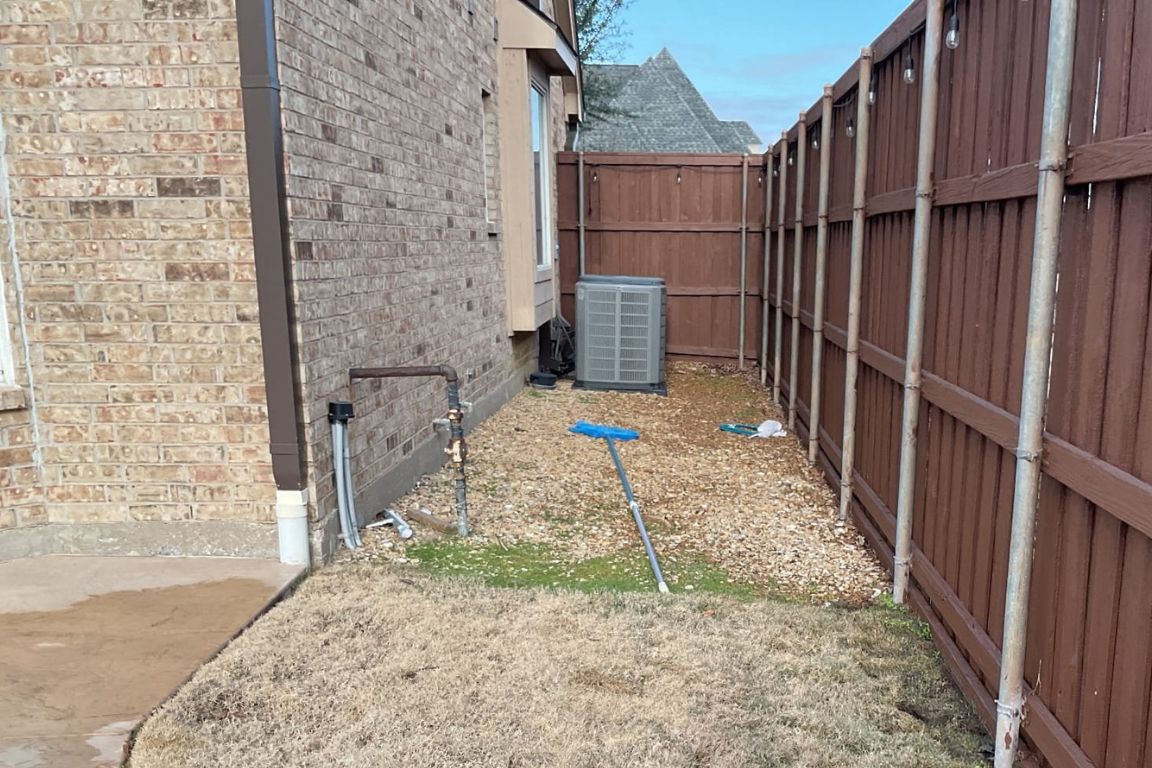
In neighborhoods like East Lake Worth, your property sits near the eastern shore of the reservoir. The soil here stays chronically waterlogged. If you see a patch of grass that is greener than the rest of your lawn, or a soft, soggy spot near the street, you likely have a yard leak. The shifting clay in these shallow flats can pull underground pipe joints apart.
Local Red Flags of a Slab Leak
Downtown Lake Worth features homes built in the 1970s and 1980s. These properties frequently face foundation settling as the heavy Tarrant County clay reacts to weather cycles. A slab leak occurs when a pipe fails beneath your concrete foundation. You may notice a hot spot on your floor or hear a faint hissing sound in the walls when all your faucets are turned off.
Mother’s Precision Leak Detection Service in Lake Worth
Finding a leak should be a technical success, not a destructive trial. We use high-end diagnostic suites to map your underground network before we ever touch a tool. Our process provides the data you need to make a permanent repair without unnecessary property damage.
Discover our full leak detection service process at https://www.callmother.com/services/leak-detection.
How We Find Leaks Without Property Damage
Many plumbers still rely on exploratory digging or cutting holes in your drywall just to find a leak. We believe that is outdated. Our technicians are trained on non-invasive equipment that allows us to find the exact breach within inches, saving you from a messy and expensive restoration.
- Electronic leak detection: We use specialized sensors to map the path of your pipes and pinpoint pressure drops.
- Plumbing cameras: We send waterproof cameras into your lines to see physical proof of cracks or root intrusion.
- Infrared thermal imaging: These cameras detect temperature differences on your walls and floors to find moisture plumes.
- Acoustic listening devices: We use high-sensitivity microphones to hear the specific frequency of pressurized water escaping through concrete or soil.
- Hydrostatic testing: This pressure test confirms if your fresh water lines or your drainage network is losing volume.
Slab Leak Detection: Under Your Foundation
A slab leak is a pressurized line failure beneath your concrete foundation. In Lake Worth, these are a direct threat to your home's structural integrity because the median home was built in 1968. These older slabs have been through decades of expansion and contraction cycles.
The primary villain in Lake Worth is aging infrastructure. Original copper lines buried in the concrete have been stressed by shifting clay for over fifty years. When the soil under your home moves, it forces these brittle pipes to bend until they snap.
Neighborhoods At Risk of Slab Leak Damage
Lake Worth Heights features a mix of homes from the 1960s and 1980s near Azle Avenue. The combination of aging pipes and foundation movement in this northern section of the city creates a high risk for under-slab failures.
Downtown Lake Worth homeowners often face foundation settling issues. These 1970s era homes sit on volatile soil that puts constant stress on original under-slab fittings, leading to warm spots on the floor or a constantly running water heater.
{{slab-leak-repair="/services/slab-leak-repair"}}
Yard Leak Detection: Underground Damage
Yard leak detection involves finding a breach in the main service line between your city meter and your home. In Lake Worth, these are frequently caused by the city’s geography as a pass-through reservoir for the Trinity River.
The soil in these areas is often heavily waterlogged. This wet environment speeds up the deterioration of buried galvanized and cast iron pipes. When the soil becomes too saturated, it loses its ability to support the weight of the pipe, leading to stress fractures at the joints.
We Frequently See Yard Leaks In These Neighborhoods
East Lake Worth is a quiet residential area where homes often have original service lines from the 1960s. These properties sit near major highways and the lake shore, where soil movement is a constant challenge for buried utilities.
Lake Worth Village features homes dating back to the 1920s. These historic lots have mature landscaping with roots that often seek out moisture in aging pipe joints. This root intrusion is a primary cause of yard leaks in this established community.
{{yard-leak-locating="/services/yard-leak-locating"}}
Water Leak Detection: Inside Your Home
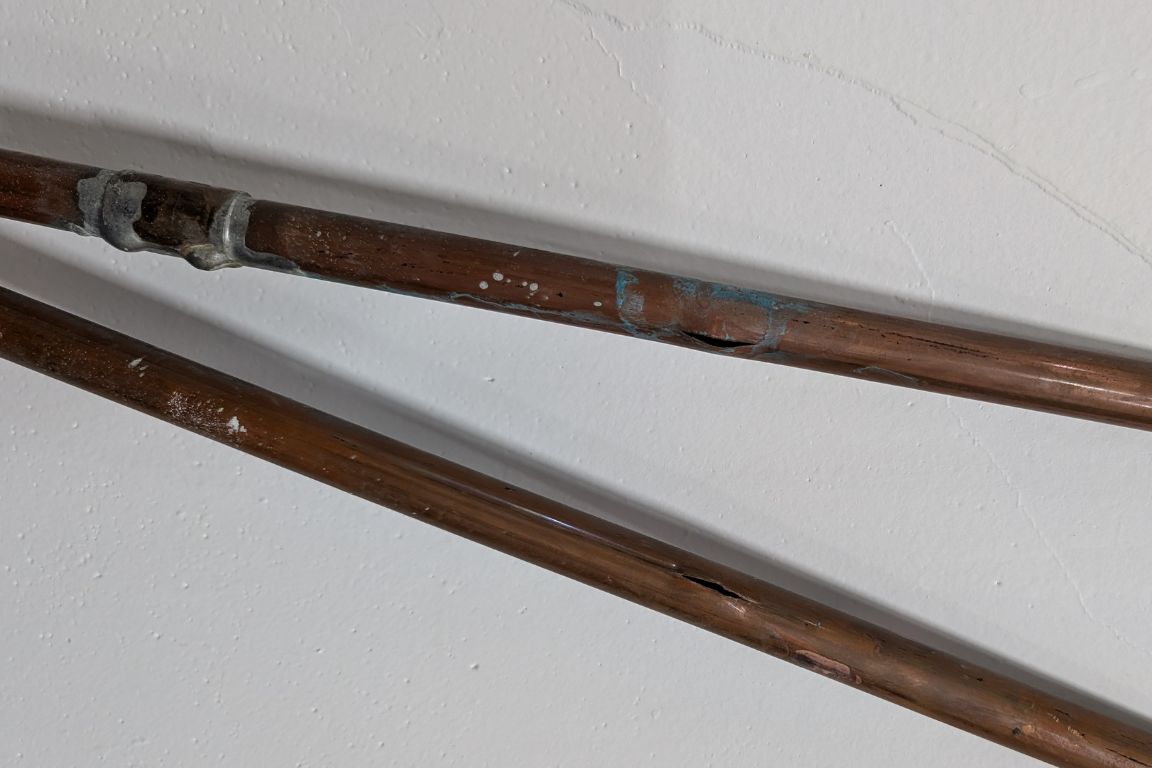
In-home water leaks happen in the pressurized supply lines hidden behind your drywall. These are the silent killers of equity because they occur within the envelope of your living space and can damage your framing and insulation.
Lake Worth’s water is moderately hard, measuring between 6 and 11 grains per gallon. Over time, minerals like calcium form scale buildup inside your pipes. This scale leads to a process called electrolysis in copper lines. This chemical reaction eats away at the metal until a tiny pinhole leak forms.
Local Neighborhoods Where In-Home Water Leaks Are Common
Lake Worth Village features mid-century ranch homes with original plumbing infrastructure. These properties have been exposed to decades of mineral stress, making them highly susceptible to pinhole leaks in bathroom and kitchen walls.
East Lake Worth homes from the 1970s are currently hitting their mechanical performance limit. We frequently find in-wall leaks in these residences where decades of scale accumulation have weakened the original pipe connections.
{{leak-detection="/services/leak-detection"}}
Lake Worth Neighborhoods We Proudly Protect With Expert Water Leak Detection
How can you tell if you have a slab leak?
How common are slab leaks?
How do you locate a water leak under your slab?
How long does it take to fix a slab leak?
Are slab leaks covered by homeowner’s insurance?


-(27).webp)
-(22).webp)
-(16).webp)
-(8).webp)