Hot Water Leak Under Concrete Slab: Symptoms & Repairs


table of contents
table of contents
It’s easy to dismiss a warm spot on the bathroom floor as condensation- but it’s still there when you get home from work. Before panic sets in, know a hot water leak under your concrete slab is fixable- and you did nothing to cause it.
In fact, that hot spot is actually a great early warning sign. The heat from a broken hot water line reaches your floor long before the water actually does. It’s a chance to call a licensed plumber to detect a potential slab leak before it causes real property damage.
Our Master Plumbers explain the telltale symptoms behind a hot water slab leak, and why it happened to your home’s plumbing. Then, we’ll explain why your repair reality is far less stressful than you think- and why you’ll probably never see a jackhammer touch your slab.
{{slab-leak-repair="/services/slab-leak-repair"}}
Why Is My Floor Warm But There’s No Water Damage?
This is the most common question our customers ask when they first call about an underground hot water leak. It’s confusing to feel a hot spot on your hardwood or bathroom tile but see no visible sign of water damage.
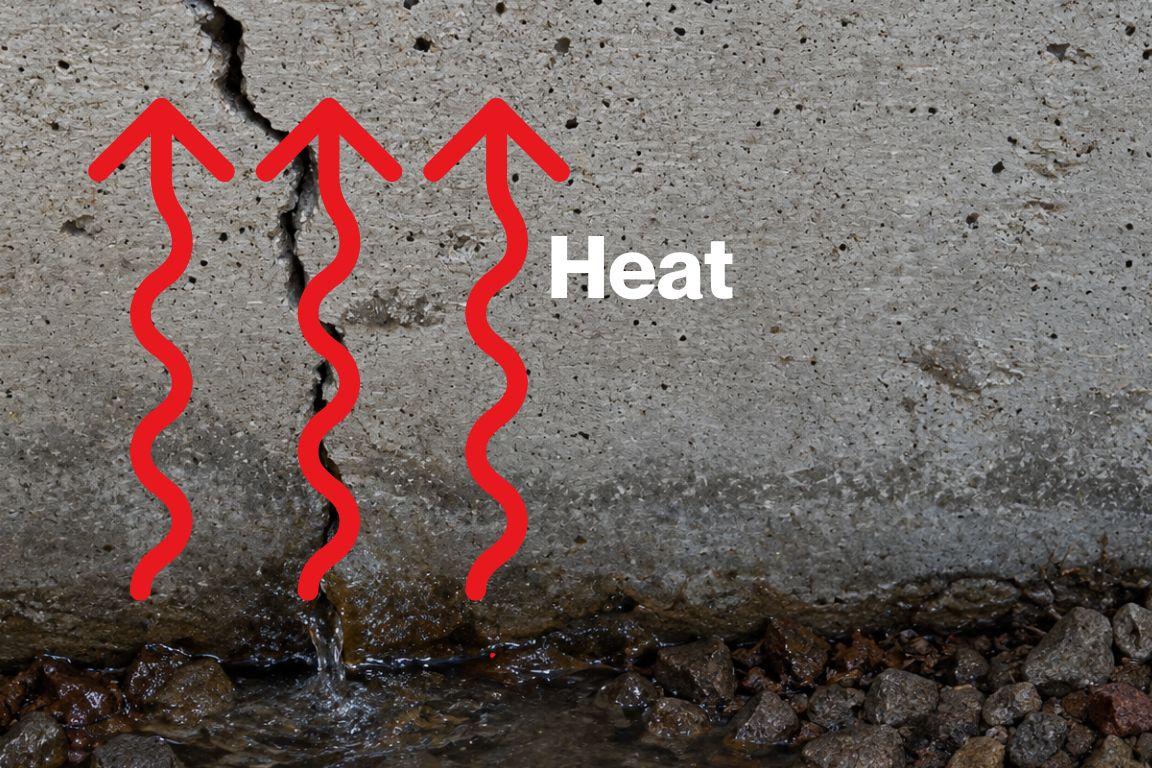
“Your concrete foundation is an incredible thermal conductor,” explains our Responsible Master Plumber Steven Smith (RMP-43457). “The slab absorbs the heat from a broken hot water line like a giant radiator. The warmth transfers to your floor long before the actual water makes it up there.”
Concrete is an excellent thermal conductor- that’s why old houses used radiant heat in concrete flooring. It takes as little as 1-2 days for the heat from a hot water line leak to reach your floors.
Water is heavier. It follows the path of least resistance. Because most Texas homes have a thick plastic vapor barrier laid between the dirt and the concrete, the water is physically blocked from coming straight up to your subfloor. Instead, it gets pushed sideways into your yard or washes away the soil holding up your foundation.
It could take weeks for signs of water damage to show up inside your home- and sometimes, the water seeps into your yard and not the house.
Other Telltale Signs of a Hot Water Leak Under Concrete Slab
“Just because water may not damage your floors doesn’t mean the leak isn’t hurting you,” Steven states. “All that wasted water’s going to show up on your monthly bill, and it’s definitely causing structural instability in your home’s foundation.”
If you feel a warm spot on your floor, look for other common red flags that indicate a broken hot water line near, under or inside your concrete foundation:
- An unexplained increase in your water bill. An absolute confirmation of an underground water leak, whether it’s hot or cold.
- A constantly running water heater. When your buried copper water line bursts, the city water system replaces the lost water with new, ice cold tap water. Your water heater works overtime to heat the new incoming supply.
- A spike in your gas or electric bill. Your water heater’s running 24/7 due to the constant refill cycle of cold water from the municipal supply.
Pro Tip: “Go stand next to your water heater when no one is home,” Steven advises. “Make sure nobody’s running the dishwasher, laundry machine, or any water-using appliances.”
“If you hear the gas burner working or the electric unit humming, it means water is leaving the tank and going somewhere it shouldn't. If that’s happening when there’s a warm spot on the floor, you have a hot water slab leak.”
Why Hot Water Pipes Break Under Concrete Foundations
A broken hot water line near your foundation happened because of thermal expansion. Hot water makes pipes expand- especially the buried copper pipes common in older underground plumbing systems.
When the pipes aren’t in use, they cool down. This constant cycle of swelling and shrinking causes the pipe to rub back and forth against the abrasive concrete material that makes up your slab-on-grade foundation.
Over the course of several decades, the concrete acts like sandpaper on your metal hot water pipes. The persistent friction wears their external walls down until pinhole leaks form- or they burst completely.
Clay Soil Near the Foundation Makes Matters Worse
The “black gumbo” soil underneath our service area (the DFW Metroplex) contains a minimum of 40% clay. This makes the likelihood of residential hot water slab leaks even greater.
Soil with high clay content is extremely responsive to changes in moisture. When the ground is wet, the clay molecules absorb it quickly and expand violently. When the ground is dry, the clay soil shrinks back down and cracks.
“Take the friction between your water pipes and concrete slab,” Steven states. “Now, add the friction of your foundation constantly heaving and settling as the dirt around it pushes and recedes. The physics are just terrible for nearby pipes.”
Why Your Specific Hot Water Plumbing Failed

If you have a hot water slab leak, there’s a good chance your home was built in the 1980s or 1990s.
Modern underground plumbing code requires protective plastic sleeving around buried copper pipes. This convention didn’t exist in the 80s or 90s. Builders in that era often laid bare copper piping under the slab (or in the slab), directly against concrete and steel rebar.
“A concrete foundation weighs between 50,000-150,000 pounds,” Steven says. “Years of friction against that kind of weight- copper is too soft to compete with that.”
“Then, add in the direct pressure of steel rebar against unsheathed copper pipes, and you have a real problem.”
DFW Neighborhoods Where Hot Water Slab Leaks Are Common
The majority of hot-water-specific slab leaks in the DFW Metroplex occur in these 1980s-1990s era homes. Our research team reports a higher than average number of hot water slab leaks in these DFW neighborhoods:
Central and West Plano
The Plano luxury building boom of the late 1980s and early 1990s features a lot of homes with the unsheathed copper plumbing flaw. Houses in Whiffletree, Plano Park, and some earlier builds in Willow Bend are prone to Plano slab leaks.
North Carrollton
The mid-to-late 1980s saw mass construction of single-family homes in neighborhoods around the Hebron and Josey Lane corridor. “We’re seeing more and more broken hot water lines in the northern sections of Carrollton,” Steven reports.
Keller
Keller’s early transition to residential suburban neighborhoods began in the 1980s, before the “boom period” of the 2000s. Single-family homes built in this era are susceptible to slab leaks and underground plumbing problems.
South Arlington
The closer you get to Mansfield, the more late-80s grid layouts and split-level homes you find- especially near Martin High School. These grid neighborhoods are known for their slab leak issues with original underground copper plumbing lines.
Your Repair Reality: It’s Not As Bad As You Think
The most common questions our plumbers get about hot water plumbing leaks under the slab are about the repair process- the method used, non-invasive repair alternatives, and whether insurance will lend a hand.
The good news: hot water slab leaks are usually cheaper to repair than cold water leaks.
While every slab leak repair is different, here are some general answers to leaks in your home’s buried hot water line.
Does a Plumber Have to Jackhammer My Floor?
In most hot water slab leak repair situations, cutting into the slab isn’t necessary.
“Jackhammering is a last resort,” Steven says confidently. “It’s not the first option. It’s not even the third. Don’t worry about property damage during repairs unless we’re out of other options.”
Whether it’s trenchless slab leak repairs, rerouting your existing line or trenching through the yard to reach your house, there are multiple repair options that don’t involve a hole in your floor.
(And if jackhammering and excavation are necessary, you’re dealing with a targeted, localized hole- not a crater in your living room.)
With modern acoustic leak detection and infrared camera equipment, even finding your hot water slab leak doesn’t require any digging or property damage. A licensed plumber can find the precise location of your leak down to 0.004 inches with these tools.
When Rerouting the Hot Water Line Makes Financial Sense
It’s often cheaper and safer to completely abandon the broken pipe under your slab and run a brand new hot water line through the attic or walls to restore normal hot water delivery.
A flexible PEX-A water line is laid in a completely new path that diverts away from your foundation- usually through the attic. This avoids excavation under your home, reduces invasive trenching and tunneling, and lowers the overall cost of repairing the leak.
Not every DFW home is a candidate for slab leak rerouting. Homes with vaulted or cathedral ceilings don’t have the upper pathways for new pipe routes.
{{slab-leak-repair-when-to-tunnel-vs-when-to-reroute="/blogs/slab-leak-repair-when-to-tunnel-vs-when-to-reroute"}}
Does Homeowners Insurance Cover Hot Water Slab Leaks?
This subject’s a bit tricky, because the answer differs with each phase of your repair process.
Insurance usually doesn’t cover the pipe repair itself. It’s easy for claims adjusters to deny the repair by citing lack of maintenance. Your odds of approval are much better for “access and egress” portions of the plumbing service- this is the work required to reach the damaged pipe section, and any water damage resulting from the broken pipe.
Read our detailed guide to homeowners insurance and slab leak repair, where we spoke to a local insurance expert about what’s covered and not covered in most policies.
Damage Control: What to Do Right Now
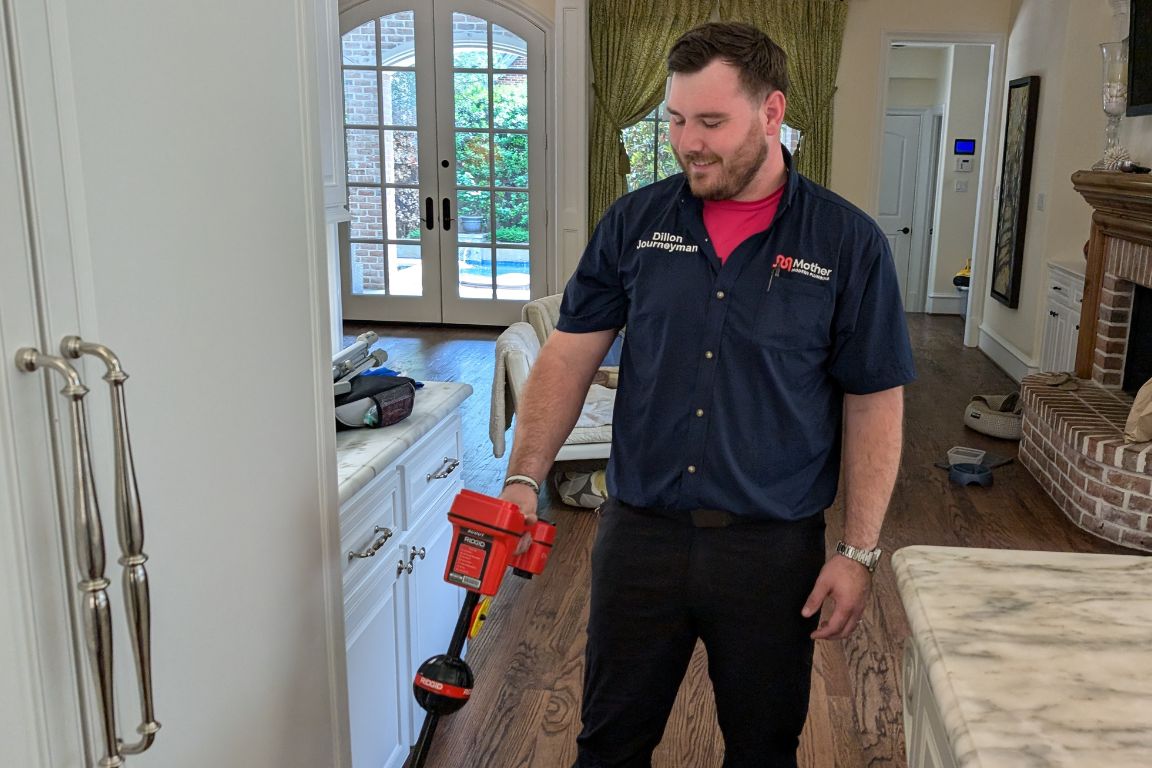
If you’re dealing with an active hot water leak under your concrete foundation, you need to do three things right now: turn off the hot water, take a deep breath, and call a licensed plumber for slab leak detection.
Here’s how to do it.
How to Turn Off Just Your Hot Water to Stop the Leak
Step one is stopping the hot water leak. You don’t need to shut off water to your entire house. You can stop a hot water slab leak right now while keeping your cold water fully functional for toilets and sinks.
“You really just need to isolate the water heater,” Steven explains. “Stopping the incoming cold water kills the pressure and stops the leak in its tracks.”
Here’s how to stop the leak in four easy steps:
- Locate your water heater in the garage, utility closet, or attic.
- Find the cold water inlet pipe feeding into the top of the tank, usually marked with a blue ring or label.
- Turn the shut-off valve clockwise until the handle is completely perpendicular to the pipe.
- Test a nearby faucet by turning it to the hot position. The water should sputter and stop, while your cold water handles run normally.
This quick action prevents thousands of gallons of water from eroding the soil beneath your foundation.
Take a Breath, and Don’t Blame Yourself
You did nothing wrong to cause the hot water leak under your house. Take a breath. The hot water supply is off, and the situation’s under control for you to call in a professional.
“Customers with hot water slab leaks always ask me what they did wrong,” Steven reports. “And the answer is always the same- nothing. The leak happened because of shifting soil and foundation physics. Not how you use your hot water.”
Call Mother Modern Plumbing for Non-Invasive Slab Leak Detection
Ignoring a warm floor leads to foundation heaving, cracks in the slab, increased water and utility bills, and the potential for in-home water damage and mold growth.
Call a licensed plumber who offers emergency slab leak detection service with non-invasive equipment. Ask if they utilize acoustic listening devices and infrared cameras with thermal imaging technology. These tools locate even small pinhole leaks underground without digging, cutting open your walls or tearing up the flooring.
If you’re in the DFW Metroplex, call Mother. Our 24/7 emergency phone concierge is here to answer your call 365 days a year and provide fast, precision leak location. We’ll show you what we found, then provide the best permanent solution for your hot water slab leak.
{{slab-leak-repair="/services/slab-leak-repair"}}