Does Homeowners Insurance Cover Slab Leak Repair?


table of contents
table of contents
Does homeowners insurance cover broken pipes under slab foundations? It's a simple question with a tricky answer.
Step one to a successful claim: your slab leak must be deemed "sudden and accidental", not a gradual maintenance issue. And even then, most homeowners insurance policies only cover access and egress to the slab leak- the cost to reach the plumbing issue.
It's more difficult to get covered by the repairs itself. This usually requires an additional add-on coverage endorsement. We'll tell you the 2 endorsements that help.
We spoke to Paxten Volbrecht, Director of Agency Operations at Jacobs Insurance Solutions. She provided homeowner-focused insights on the endorsements you need to cover a slab leak event, when self-insuring is a great move, and the mandatory documents you’ll need to file a successful claim.
Dealing with a slab leak in DFW? Call Mother 24/7- we’ll send a licensed technician to assess your options.
{{slab-leak-repair="/services/slab-leak-repair"}}
Discuss Your Slab Leak Insurance Claim With Your Agent
We’re plumbing experts, not insurance experts. Every policy is different, and we can’t speak to your particular contract language. Even insurance professionals with decades of experience like Paxten can’t promise specific coverage without looking at your plan.
Always review your homeowners insurance policy with your agent, especially in a significant moment like a slab leak.
To get you started, here are the four general rules that apply to most homeowners policies and slab leak insurance coverage:
- The Cause: Was the leak sudden and accidental, or can your carrier claim homeowner negligence?
- The Endorsement: Do you have a specific add-on dealing with “foundation water” or “water backup” coverage?
- Coverage and Exclusions: Based on the policy you have, what are you likely covered and not covered for?
- Filing a Claim: What essential documents do you need to provide to have the best chance at a successful claim? Why should you call your agent, not your carrier?
{{dallas-slab-leak-repair-cost-updated-guide="/blogs/dallas-slab-leak-repair-cost-updated-guide"}}
What Is a Slab Leak Endorsement?
You’re going to hear the words “endorsement” and “rider” a lot. From a layman’s perspective, they mean the same thing.
An insurance rider (or endorsement) is an optional add-on to your standard policy. It’s added on to customize your coverage.
The Key to Slab Leak Coverage: Sudden and Accidental Damage
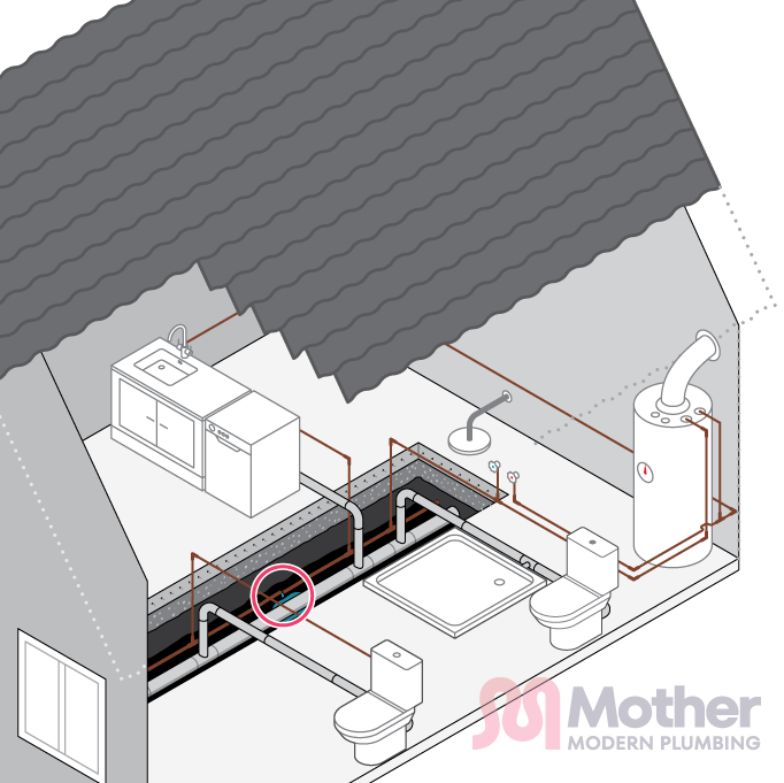
"Water coverage is severely limited on insurance policies,” Paxten says. This particularly applies to leaks near the foundation- especially slab-on-grade foundations, which are made from porous concrete materials.
The first thing your insurance will assess is the cause of your slab leak. They’ll view it in one of three ways:
- Sudden and Accidental: An “act of God” scenario that couldn’t be foreseen. A pipe burst caused by frost heave, stress caused by waterlogged soil.
- Avoidable: A leak caused by homeowner negligence. These include leaks caused by highly degraded, unmaintained lines that aren’t inspected or cleaned.
- Seepage and Leakage: An offshoot of “avoidable” leaks. If your leak started six months ago and you’re only addressing it now due to increased damage, that’s seen as a lack of action on your part.
"Seepage and leakage is a coverage that you typically have to add on to your policy," Paxten explains. "A standard policy usually only covers sudden and accidental water discharge."
Without these specific riders, your carrier can argue that a slab leak is a maintenance issue rather than a covered insurance peril. They'll likely deny your claim.
{{broken-pipe-under-house-what-to-do-right-now="/blogs/broken-pipe-under-house-what-to-do-right-now"}}
These 2 Endorsements Help Cover Slab Leak Repairs
A standard homeowners’ policy is built for sudden catastrophes, like a frozen pipe that bursts and floods your kitchen in an hour. Slab leaks are different.
To get your insurance company to help with this type of event, you usually need to have specific add-ons, or endorsements, in your contract.
Foundation Water Endorsement
This is a specific rider that every North Texas homeowner should discuss with their agent. Because our soil shifts so much, slab leaks are a common threat to the structural base of your home.
"There is an endorsement specifically called Foundation Water Coverage," Paxten says. "This is what helps pay for the damage to the foundation or the slab that is caused by a leak."
Without this specific language in your policy, you may find yourself paying for foundation stabilization out of your own pocket even if the water damage inside the house is covered.
Water Backup Coverage
A water backup means more than an overflowing toilet to insurers. Your insurance carrier views “water backup” as any water entering your home from a slab leak or breach.
"Ask about exactly what you're purchasing when you're getting your policy set up,” Paxten advises. You’ll ensure that your coverage for backup and seepage is high enough to handle the cost of slab-on-grade failure.
When Homeowners Insurance Covers Broken Pipes Under the Foundation
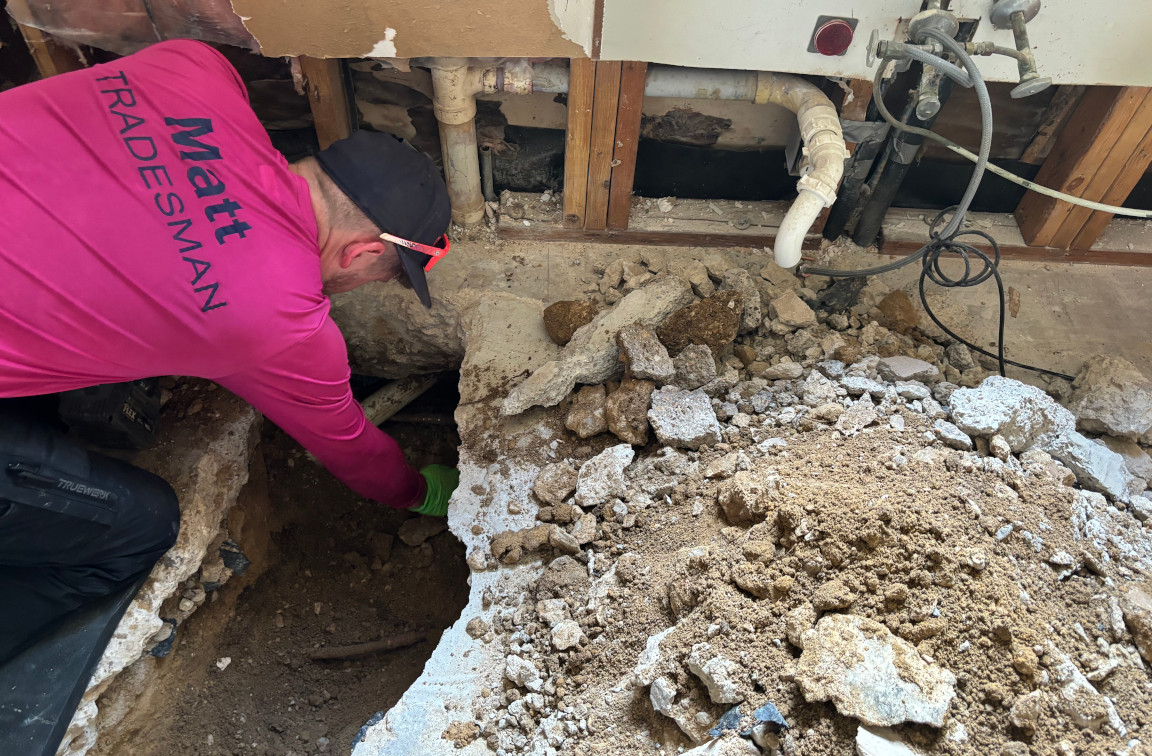
In most covered slab leak cases, the insurance company splits the project into three categories: getting to the leak, fixing the damage, and repairing the pipe itself.
"The insurance company will pay to get to the leak- whether that’s jackhammering through the slab or tunneling under the house- and they will pay for the damage the water caused," Paxten explains.
Getting them to cover repairs is more difficult- especially without the policy add-ons mentioned above.
Access and Egress Are Often Covered
This is often the most expensive part of a slab leak. Access to reach the leak can mean your plumber’s doing a few things:
- Tunneling under your foundation
- Cutting through your custom hardwood floors
- Any other method to reach a broken copper line, like jackhammering
If you have the right riders, your insurance company typically covers these labor costs because they are necessary to mitigate the ongoing damage.
{{slab-leak-repair-when-to-tunnel-vs-when-to-reroute="/blogs/slab-leak-repair-when-to-tunnel-vs-when-to-reroute"}}
Repairs Are Not Usually Covered
This is the part that surprises most homeowners. Insurance companies view the actual pipe repair- the piece of PVC or PEX and the labor to install it- as a maintenance item.
You should expect to pay for the actual plumbing fix yourself. Fortunately, the plumbing repair can be the least expensive part of the total bill compared to the cost of digging and restoration.
Restoration Depends on Coverage
Once the leak is fixed, your home needs to be put back together. This includes filling the tunnel, repairing the concrete slab, and replacing floors, baseboards, or cabinets.
If the leak was a covered event, restoration is typically covered to return your home to its original condition.
{{water-coming-up-through-concrete-what-to-do-right-now="/blogs/water-coming-up-through-concrete-what-to-do-right-now"}}
4 Steps to Filing a Successful Slab Leak Claim
The extent to which your homeowners insurance covers your slab leak depends on how you approach and execute your claim.
Speak to the right insurance representative, collect reports and documentation from a licensed plumber, and take immediate photos of the water damage, and your odds improve.
1. Call Your Agent, Not Your Carrier
This is the best piece of advice Paxten provides for anyone who suspects a leak.
Find out if you even have the right coverage before a potential claim is permanently attached to your home's record.
"If you have an agent, you can speak to the agent about the policy without it going on your claims history," she says. "You can have a conversation with me, and it might not go on your claims record. If you have a conversation with a carrier directly, that’s going on your claims record, 100%."
2. Get a Full Report From a Licensed Plumber
Insurance adjusters evaluate claims based on forensic data. To get a slab leak claim approved, you need a paper trail that proves the leak was sudden or covered under your endorsement.
Provide your agent with a full report that includes:
- Pressure test results
- A map of where the leak was located
- High-definition photos or video of the failed pipe.
If the leak caused foundation movement, an evaluation from a structural engineer may also be required by the carrier.
3. Make Sure Your Plumber Has Worked With Insurers Before
A handyman or a cut-rate plumber won't have the diagnostic tools or the professional standing to help you with a claim. Insurance companies require verification of the leak.
At Mother, we provide the hydrostatic testing and visual evidence that adjusters need to see. Having a Master Plumber sign off on the diagnostic report gives your claim the technical authority it needs to be taken seriously by the carrier's adjusters.
4. Use Timestamped Photos for Documentation
Insurance adjusters look for fast identification and action by homeowners when deciding to approve or deny a foundation leak claim.
Taking timestamped photos of water damage, property damage, and related water meter and utility bill data shows the adjuster you didn't neglect the leak.
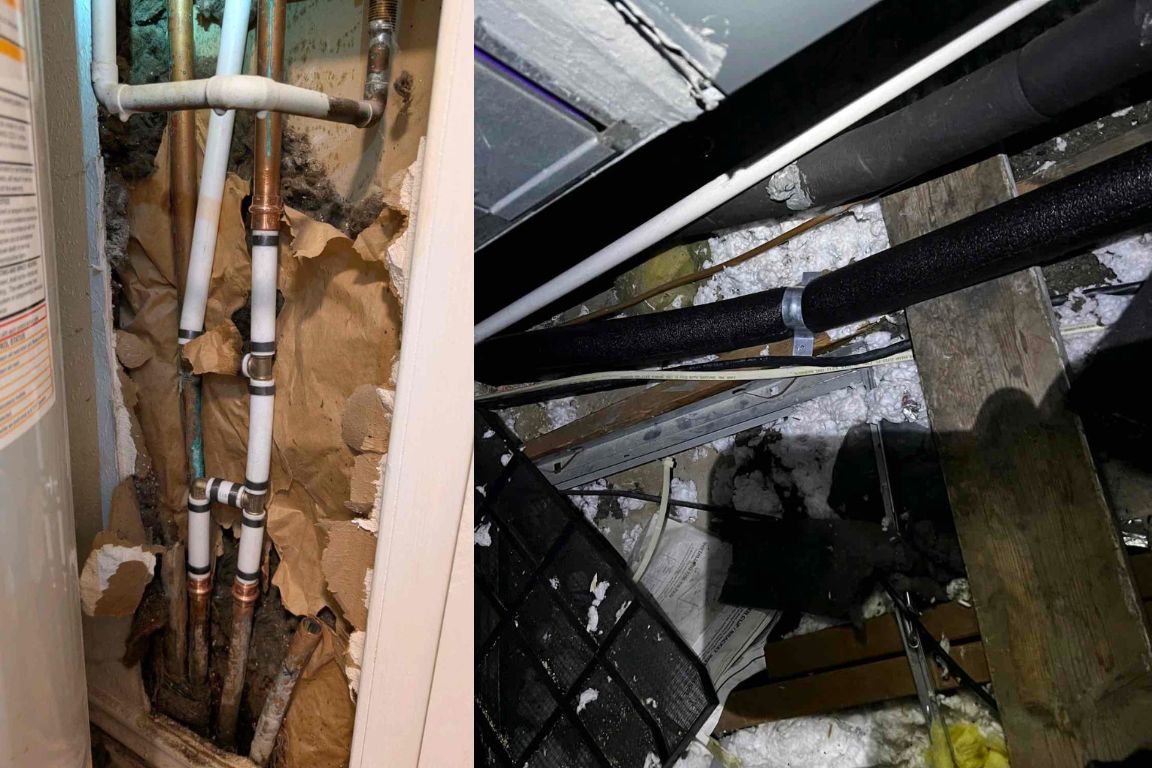
Here are six great photos to add as documentation for your slab leak claim:
Slab Leak Issues in Dallas? Call Mother ASAP
The battle to get covered for slab leaks requires an expert ally- a plumbing partner who provides the forensic evidence your agent needs to fight for your coverage.
Mother Modern Plumbing provides the advanced leak detection and documentation required for DFW homeowners seeking insurance relief. We find the leak, we document the damage, and we provide the access solutions- like precision tunneling and rerouting- that insurance companies are most likely to cover.
If you’re worried about future leaks, call your agent to get a water foundation endorsement added to your policy. If you’re dealing with one now, call your agent (not your carrier), then give us a ring 24/7.
{{slab-leak-repair="/services/slab-leak-repair"}}