Cold Water Slab Leak: Symptoms and Your Repair Options


table of contents
table of contents
You opened your monthly water bill, and it’s double what you expected. There’s no leak in the wall, and nobody’s taking 3 hour showers. The most obvious culprit is a water leak under your foundation- and a leaking cold water line is why you didn’t notice any symptoms.
A hot water slab leak gives itself away with a warm spot on the floor. A cold water slab leak is much stealthier- washing out your foundation and spraying thousands of gallons of water into your yard before you ever see soggy drywall.
In this article, our Master Plumbers walk you through the less obvious red flags that point to a cold water leak under the foundation. We’ll tell you why it happened- especially if you live in the DFW Metroplex- and show you precisely what to do to stop the damage while you wait for a plumber to arrive.
{{slab-leak-repair="/services/slab-leak-repair"}}
Do You Have a Cold Water Leak Under Your Foundation?
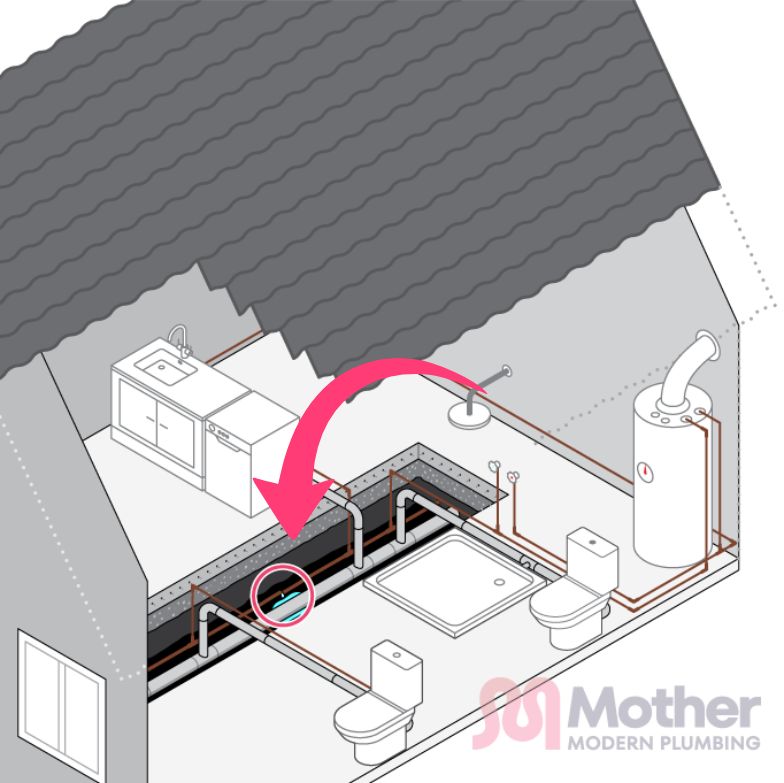
A cold water slab leak is a breach in your home’s main water line. Its location underground makes it much tougher to spot than a leaky pipe in your wall. And it’s also why they cause so much harm- and waste so much water- so quickly.
The incoming water supply to your home from the city is pressurized. Instead of dribbling out of a pipe like a sewer leak, the high pressure makes it shoot out rapidly and cause an underground flood in your yard.
While a slow leak can waste a few hundred gallons of water per month, a pressurized water leak near the slab wastes hundreds of gallons per day. It can easily add 8,000-10,000 gallons of water use to your monthly bill.
Four Telltale Warning Signs of a Cold Water Slab Leak
Time is of the essence. The sooner we determine you have a slab leak, the faster it gets fixed. That means more money in your bank account, and less wasted cash heading to the water company and foundation repair services.
These are the four most common signs of a cold water slab leak:
High Water Bills and a Spinning Meter

Your #1 indicator. If the water meter spins when all your faucets and taps are off, water’s escaping into the yard from under the slab. That’s the reason for your high water bill.
The Sound of Rushing Water
Turn off all your taps. Do you hear a faint hissing sound like the water’s still running, either in the wall or under the floorboards?
Pooling Water Around the Foundation
Head outside and look for water pooling or bubbling up around your concrete foundation.
Unexplained Foundation Cracks
Is there a new crack in your foundation that wasn’t there a week ago? If you see “spider-like” cracks or damp cracks in the concrete, they indicate a slab leak.
Still not sure? Use our 5 minute DIY slab leak test!
Why Are Cold Water Slab Leaks Harder to Spot?
Cold water leaks around the foundation are significantly harder to notice than hot water slab leaks. That goes for homeowners and plumbers.
The lack of radiating, rising heat is the issue. Homeowners often detect a hot spot on their floor long before any in-home water damage. Heat rises faster than water seeps upward, especially if your home has a plastic barrier between the foundation and house.
And plumbers utilize thermal cameras to find hot water leaks under your house. Escaping hot water emits a clearer visual indicator on thermal camera viewfinders, where cold water more closely matches the temperature of the surrounding soil.
The good news: once located, a cold water slab leak isn’t any harder to fix.
{{hot-water-leak-under-concrete-slab-symptoms-repairs="/blogs/hot-water-leak-under-concrete-slab-symptoms-repairs"}}
Immediate Triage: Three Things to Do Right Now
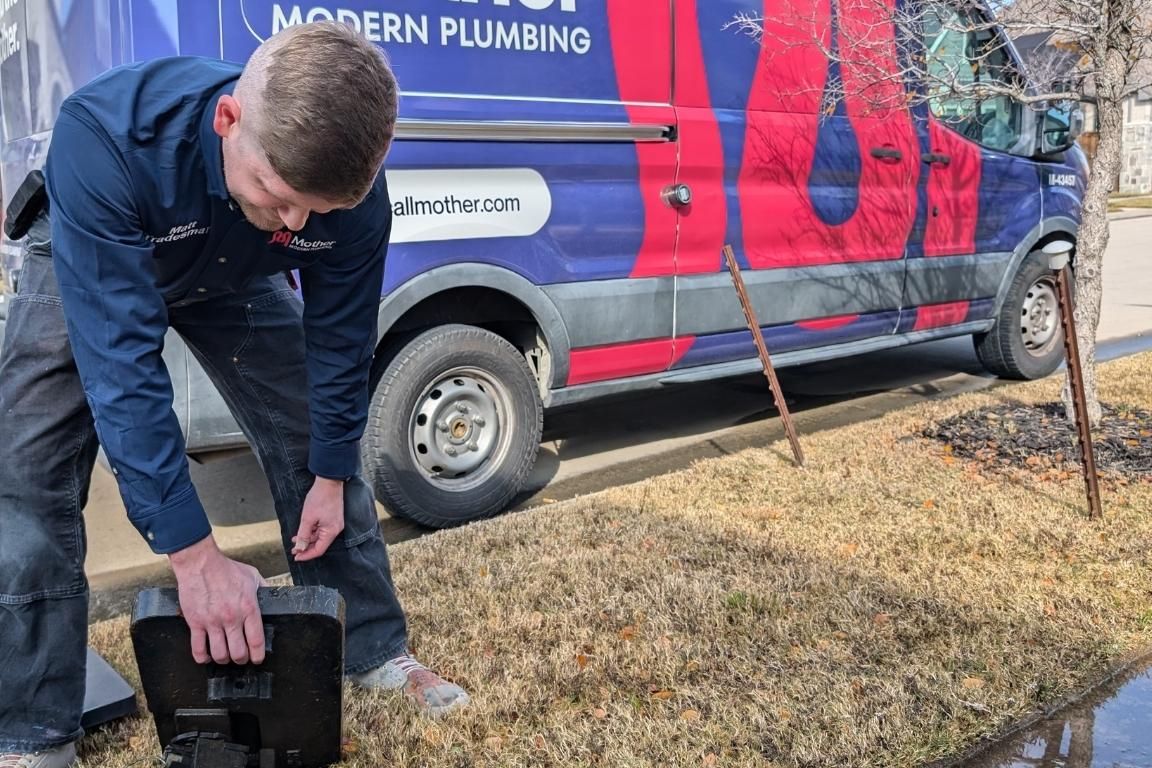
Don’t dig, don’t open up your floors or walls. Don’t cause any property damage trying to find the leak yourself. Plumbers have non-invasive leak detection equipment to handle that task without ruining your finishes and floorboards.
There are three things you should do right now to stop the damage caused by a slab leak.
Do I Need to Shut Off Water to My Whole House?
Yes. Because the leak is on your pressurized supply side, the only way to stop the foundation damage and the spike in your water bill is to shut off the water to your entire home.
Your best move is to turn the water off overnight so you don’t waste any more of it.
In our DFW service area, this usually means killing the main water supply at the curb via the main water shut off valve. Some homes may have home water shut off valves in the garage, along an exterior wall near a spigot, or near the water heater.
{{fast-plumbing-answers-how-to-turn-off-your-water="/blogs/fast-plumbing-answers-how-to-turn-off-your-water"}}
Can I Still Use Any of My Taps or Fixtures?
No. Once the water is shut off, you won’t have any incoming water anyway. Prepare for a temporary “water outage” as a plumber assesses the situation. Grab a case of water from the store and ask a local friend if you can use a guest bathroom in the meantime.
How Soon Do I Need to Call a Plumber?
Now. Even with the water turned off, there’s still thousands of gallons of water underneath your house. The sooner a plumber gets there, finds the leak and begins the repair process, the faster you restore normal water use- and ensure structural stability.
Pro tip: Find a licensed plumber with a working relationship with a water damage restoration service. It’ll save you a phone call- and sometimes, a few bucks on a referral.
How Plumbers Detect the Exact Location of a Cold Water Leak
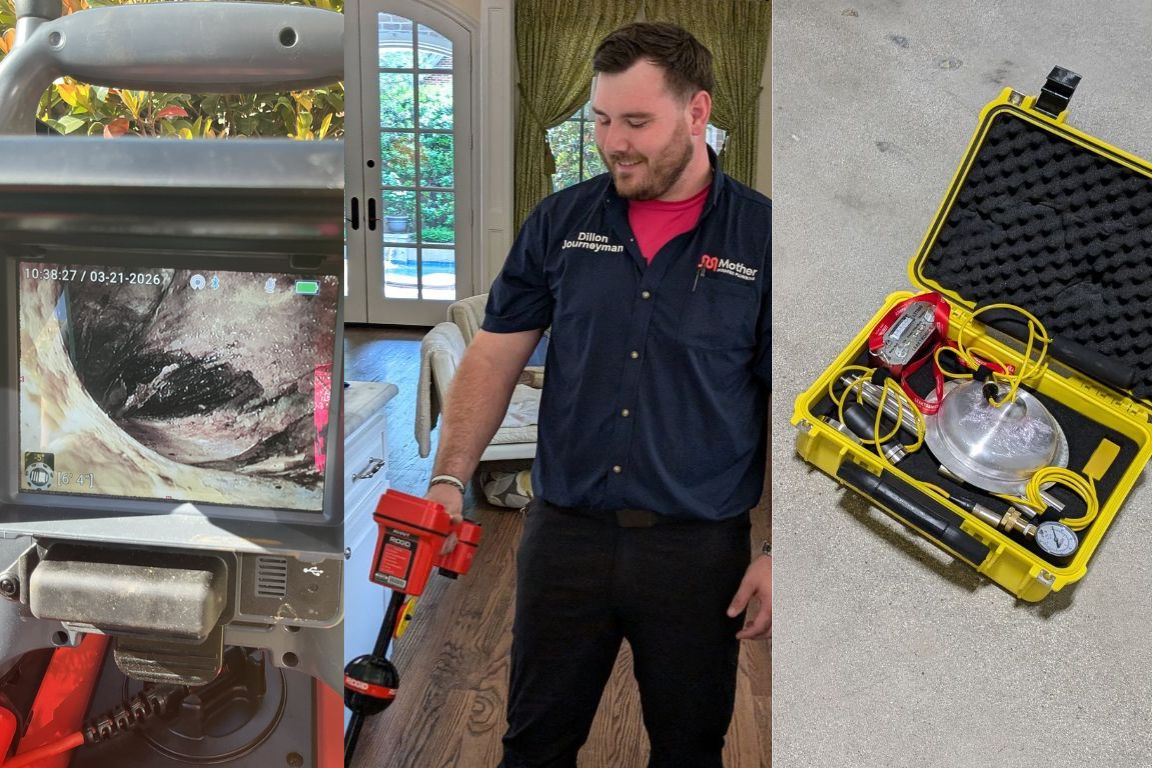
Once your licensed plumbing service arrives, they’ll conduct underground leak detection to locate your broken pipe. A reputable company should have non-invasive detection equipment that requires no digging in your yard, tearing up your walls or floors.
Because thermal cameras are less effective at finding cold water supply line leaks underground, our plumbers use other advanced equipment to locate your slab leak:
- Acoustic listening devices use sound waves to track the location of escaping water underground to within 0.04 inches.
- Electronic leak detectors combine acoustic technology with electronic equipment to triangulate the position of your slab leak.
Your Repair Options for a Cold Water Slab Leak
Option 1: Rerouting the Water Line
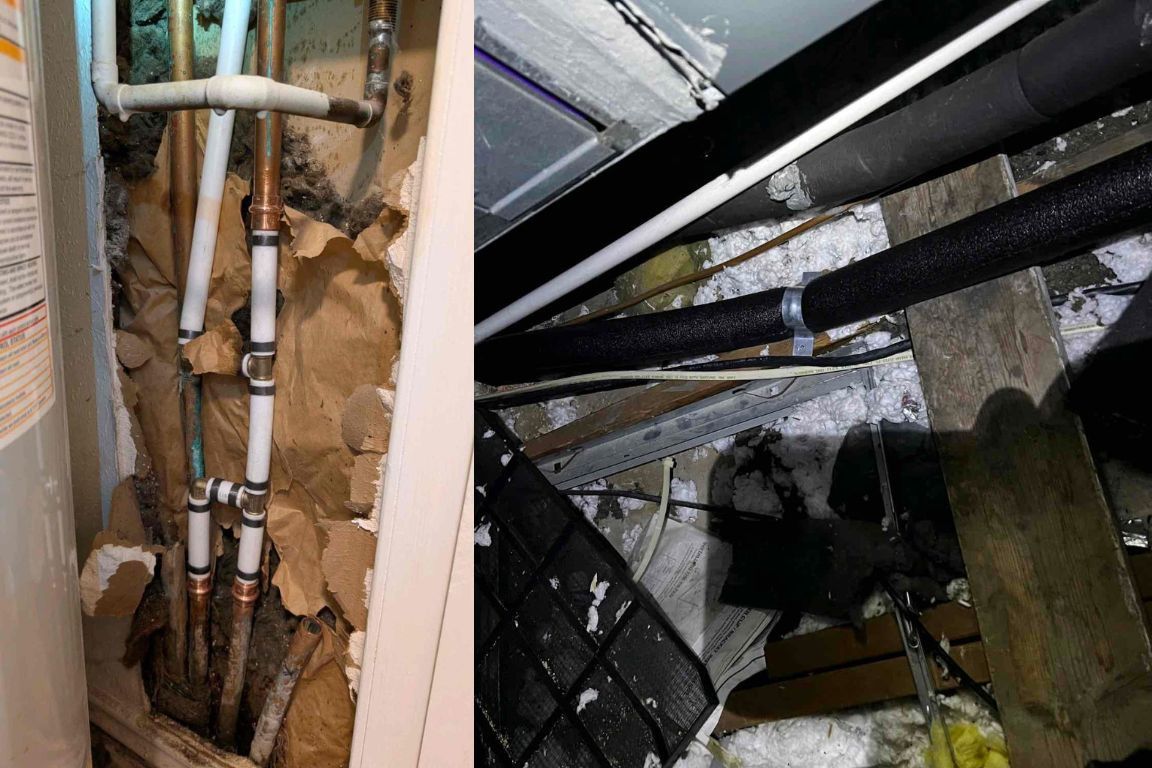
Best for: The safest long-term fix when attic and wall space permits.
We abandon the damaged pipe underground completely, without digging it up. We establish a brand new path for your water line- usually through the attic, and sometimes in an exterior wall if room permits.
The old pipe is left in place, disconnected from your water main. The new rerouted pipe is connected to the incoming water supply.
Option 2: Tunneling Slab Leak Repairs
Best for: Preserving expensive hardwood floors by digging from the home’s exterior.
If you don’t have an attic or room to reroute, tunneling from the home’s perimeter is the next best option. Best case scenario, it’s a small section near the edge of the house where we can utilize trenchless slab leak repair options (small access pits instead of a full trench).
{{slab-leak-repair-when-to-tunnel-vs-when-to-reroute="/blogs/slab-leak-repair-when-to-tunnel-vs-when-to-reroute"}}
Option 3: Direct Access (Breaking the Slab)
Best for: A last resort, when localized leaks are too far underneath your home to tunnel.
We don’t want to jackhammer your floors. If this is the best option, it’s because a few factors are at play:
- The damaged pipe section is too far from the perimeter of the house to tunnel safely
- You don’t have sufficient attic or wall space to perform a reroute
- A full replacement of the affected pipe is necessary
{{how-to-fix-a-slab-leak-without-jackhammering-your-floors="/blogs/how-to-fix-a-slab-leak-without-jackhammering-your-floors"}}
Stop the Damage- Schedule Your DFW Slab Leak Detection
A cold water slab leak doesn’t correct itself. The pressurized water bursting through the crack only makes it worse. Over time, it causes real structural concerns for your entire home- not to mention some awful monthly water bills.
Schedule non-invasive slab leak detection with a licensed plumber. Ensure they have advanced equipment that causes no damage to your home or property. Then, ask for the least invasive repair option available. If rerouting is an option, consider it strongly.
Need slab leak detection and repair in DFW? Call Mother 24/7 to schedule the first available appointment with a licensed technician.