.svg)
Water Coming Up Through Concrete? What to Do Right Now



table of contents
table of contents
If there’s water coming up through your concrete foundation into your house, the first thing to do is determine the likeliest cause of your leak. Then, shut off the incoming main water supply, mitigate the damage, and take the right photos and videos for your insurance claim.
A puddle or damp ring spreading across your floors or baseboards causes panic. Take a deep breath- it’s a crisis, but it’s still in a manageable stage. Our Master Plumbers built this article as an immediate roadmap for homeowners like you to make the right choices fast.
You’re likely dealing with a fresh water leak coming up through the slab. We’ll show you how to quickly ensure it’s a water line leak, the surefire signs of a hot water vs cold water leak, and how to contain the damage safely before your licensed plumber arrives for slab leak repairs.
Then, we’ll explain how to properly document the water damage for your homeowners insurance claim, and what to expect from your licensed plumber and water damage restoration service.
{{slab-leak-repair="/services/slab-leak-repair"}}
What Kind of Slab Leak Is It? Two Quick Tests
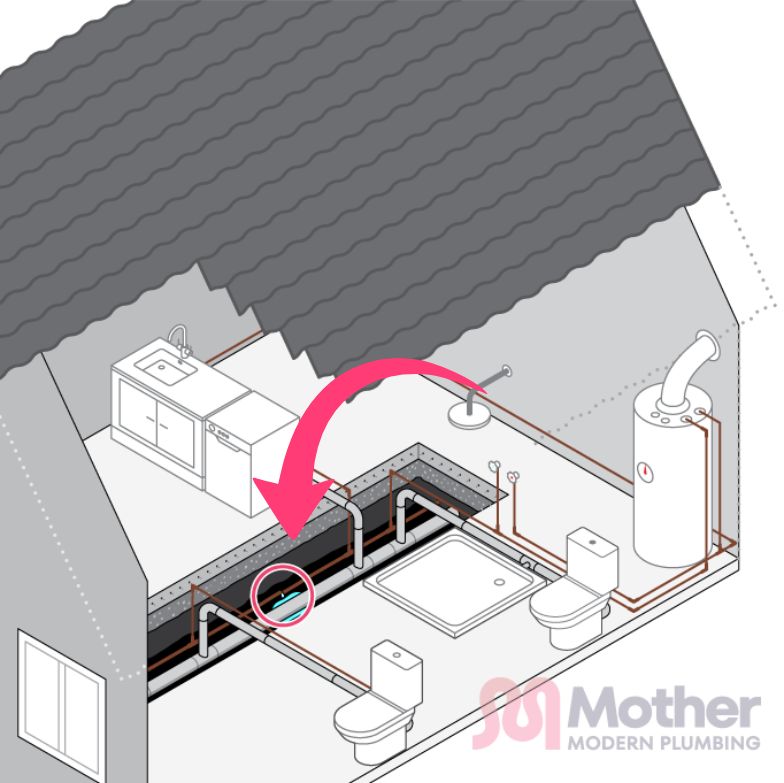
Use these two fast DIY tests- in this order- to gain clarity on the type of under-slab leak you’re dealing with.
Quick Test 1: The Sewage Smell Test
While water damage is a highly visual experience, our Responsible Master Plumber Steven Smith (RMP-43457) advises homeowners to “lead with their nose” as well.
“If you smell sewage or rotten eggs, this isn’t a fresh water leak under your slab,” Steven says. “It’s a broken sewer line or a cast iron drain failure. You don’t want to touch wastewater.”
If you notice signs of a sewer backup into your home, switch over to our emergency sewer backup guide and follow those instructions instead.
Do not attempt to clean up or mitigate wastewater in your house.
Quick Test 2: The Warm Floor Check
If you’ve ruled out a sewage backup, place your hand down on the floorboard(s) where the water damage appears to be centralized.
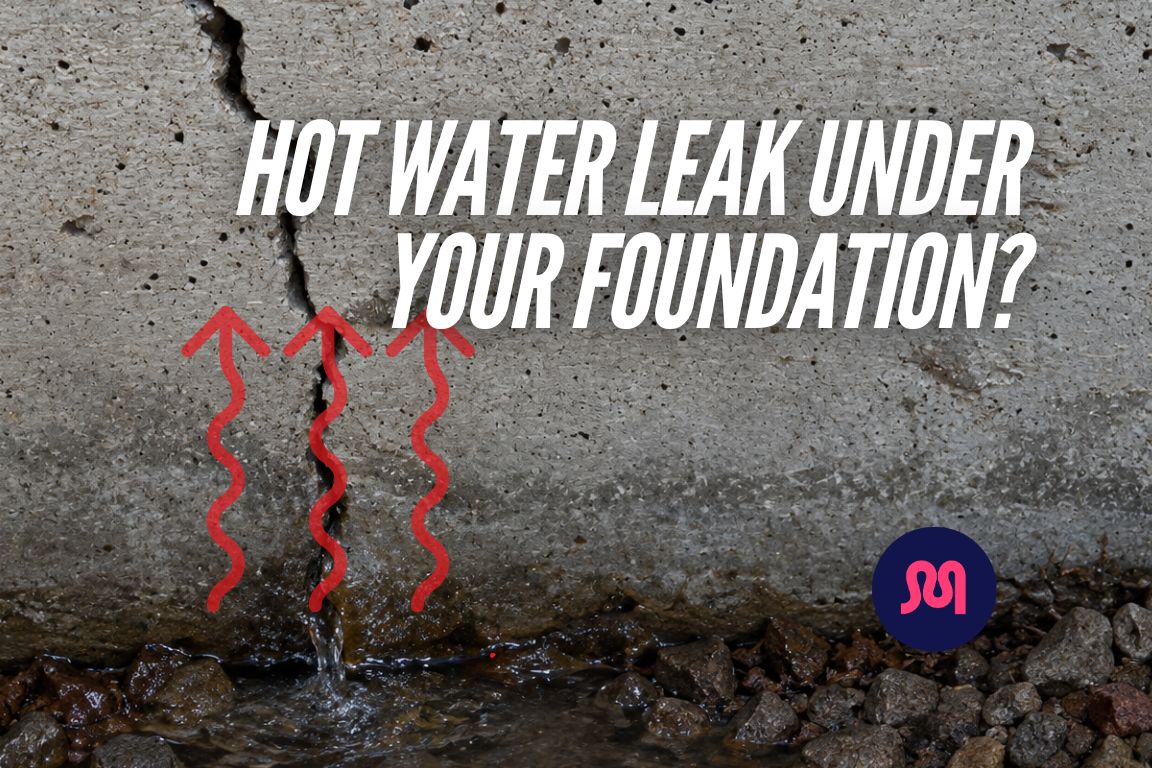
If you feel a warm spot on the floor, you have a hot water leak under the house. This is highly valuable information- heat rises much faster than water, and identifying it as a hot water leak means you don't have to shut down the water to your entire house.
“A warm damp spot on the floor immediately signals this is a hot water line issue,” Steven adds. “You probably just need to shut down your water heater, not water to the whole house.”
Step 1: Check Your Water Meter (And What to Do If It Doesn't Spin)
Go outside and check your water meter before you shut off the water to your house. This seems backwards, but Steven explains it’s a vital DIY step to further ensure you’ve properly diagnosed the cause of the water coming through your concrete foundation.
“There’s still a slight chance it’s a sewer leak, or not a slab leak at all,” Steven explains. “If you shut off the water before you check the meter, you lose that final chance to rule it out.”
Here’s the 30-second water meter test to use before you shut the water off:
- Turn off every water fixture, faucet and water-using appliance inside and outside your home.
- Find and go to your municipal water meter (usually near the curb).
- Look for the low-flow leak indicator on the meter. This is either a small spinning triangle, a red gear/star, or a digital flow rate displayed as a number.
What The Water Meter Test Results Tell You
If the indicator is spinning with all the fixtures off: you have a fresh water leak in your pressurized incoming water supply line.
If the meter is completely still but water’s still coming up through the slab: you can usually rule out a water line leak. Steven says you’re dealing with one of two other issues:
- An under-slab drain leak. In most cases, water actively coming through the concrete while the meter isn’t spinning indicates a broken drainage line. “Sometimes the smell doesn’t come with the wastewater leak,” Steven notes.
- Hydrostatic pressure underground. In rare cases, a very heavy rain or flooding event pushes groundwater up through your concrete foundation and into your subfloors and flooring. This is more likely if you live in an area with expansive clay soil like the DFW Metroplex, which has an awful time getting rid of moisture.
What to Do Next
If you’re confident in a fresh water supply line leak, continue to Step 2.
If your meter isn’t spinning but the leak is still active, call your licensed plumber and explain what you see.
Step 2: Stop the Water (Depending on What Type of Leak It Is)

If you highly suspect a water leak under the concrete foundation, shut off the water to the appropriate source:
If It’s a Cold Water Leak
If you didn’t feel a warm spot on your floor and the meter is spinning, it’s best to shut off the main water supply to your entire home pending a plumber’s inspection.
Here’s how to turn off the water to your house:
- Gather tools. You’ll need a flashlight, adjustable wrench, and your meter key (if you have one). If you don’t have a meter key, bring a channel lock.
- Locate the meter box. In DFW, it’s usually at the curb in a concrete or plastic box, under a lid marked “WATER”. Some homes may have their main water shut off valve near the water heater or along the exterior wall of the home near a hose bib.
- Locate the main shut off valve. It’s usually a brass or metal handle.
- Turn the valve to the “off” position. Rotate the valve clockwise (to the right) until it stops. Do not twist the valve too tightly.
- Check multiple faucets and taps. Turn on several faucets in your home to ensure the water supply is off.
If you’re having trouble or require more detailed instructions, visit our guide to shutting the water off to your home.
If It’s a Hot Water Leak
If you felt a warm spot on your floor, you may only need to isolate the water heater to stop the water pressure instantly.
“You really just need to isolate the water heater,” Steven explains. “Stopping the incoming cold water kills the pressure and stops the leak in its tracks.”
Here’s how to do it:
- Locate your water heater in the garage, utility closet, or attic.
- Find the cold water inlet pipe feeding into the top of the tank, usually marked with a blue ring or label.
- Turn the shut-off valve clockwise until the handle is completely perpendicular to the pipe.
- Test a nearby faucet by turning it to the hot position. The water should sputter and stop, while your cold water handles run normally.
Visit our solutions guide to a hot water leak under concrete for more detailed advice.
Step 3: Mitigate the Damage (Without Ruining Your Insurance Claim)
The urge to clean up pooled water on your floors is understandable. But be extremely careful based on where the water damage is located- and don’t go tearing up the floor or baseboards to find the source.
“DIY leak location is the easiest way to ruin your homeowners insurance claim,” Steven warns. “An adjuster sees a homeowner’s attempt to access the leak, and it’s an easy rejection.”
Here’s how to clean up water coming through the concrete safely, and what you should and shouldn’t try to mitigate.
The Safety Check
Before you start sopping up standing water, look carefully at where it is. Is the water near (or approaching) any baseboard electrical outlets, media centers or other electricity-using appliances and devices?
If so, it’s best to turn off the power before cleaning up. In a recent guide about in-home burst pipe emergencies, we built a handy checklist of items to visually inspect for electrical safety. Use it to guide you through a safe cleanup process.
Do Soak Up Water, Don’t Destroy Floorboards
If you let standing water sit for days around your rugs, furniture and household items, insurance companies will deny coverage based on negligence.
Soak up standing water as soon as it’s safe (when the water supply and any necessary power supply is turned off). Open windows to ventilate the space, surround the water damage with rags and towels, and sop up everything you can. If it’s safe, running a few fans speeds up the evaporation process.
Pull up wet rugs and move furniture to prevent secondary mold- but only after you follow insurance documentation procedures in Step 4.
Don’t tear up floorboards, inspect the subfloor, or pull apart your baseboards or drywall. Leave this to professional remediation pros and licensed plumbers to maintain the best odds of insurance coverage.
“I know it’s tempting to try and save a few bucks by finding the leak yourself,” Steven empathizes. “But you’re more likely to lose your homeowners coverage in the process.”
Step 4: Document Everything for Your Insurance Claim
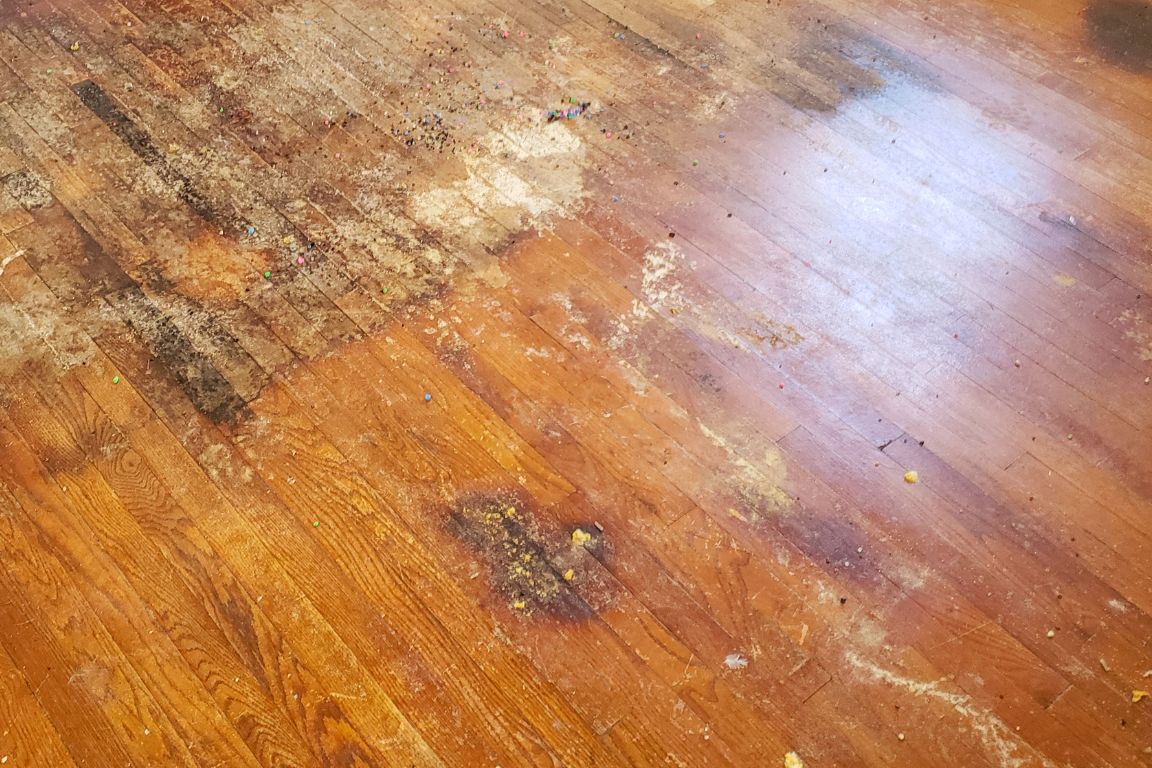
The success of your homeowners insurance claim hinges on “sudden vs. gradual” water damage.
Texas HO-A adjusters (and most home insurance adjusters) look for ways to call a water leak a “maintenance” issue- aka, a gradual leak you ignored. As soon as you notice the warning signs, any delay in documentation makes their argument stronger.
“It’s stressful to experience water damage in your house,” Steven says. “But take a breath and please, take timestamped photos and videos as quickly as possible.”
Document the exact time you saw water breach the surface of your floors or drywall. Keep all notes from a licensed plumber on file for your adjuster’s review. At Mother, we keep our professional documentation on file for you as well.
Here are a few great photos to take for insurance documentation if you experience water coming up through your concrete foundation:
Expect Two Different Professionals: A Plumber and a Restoration Company
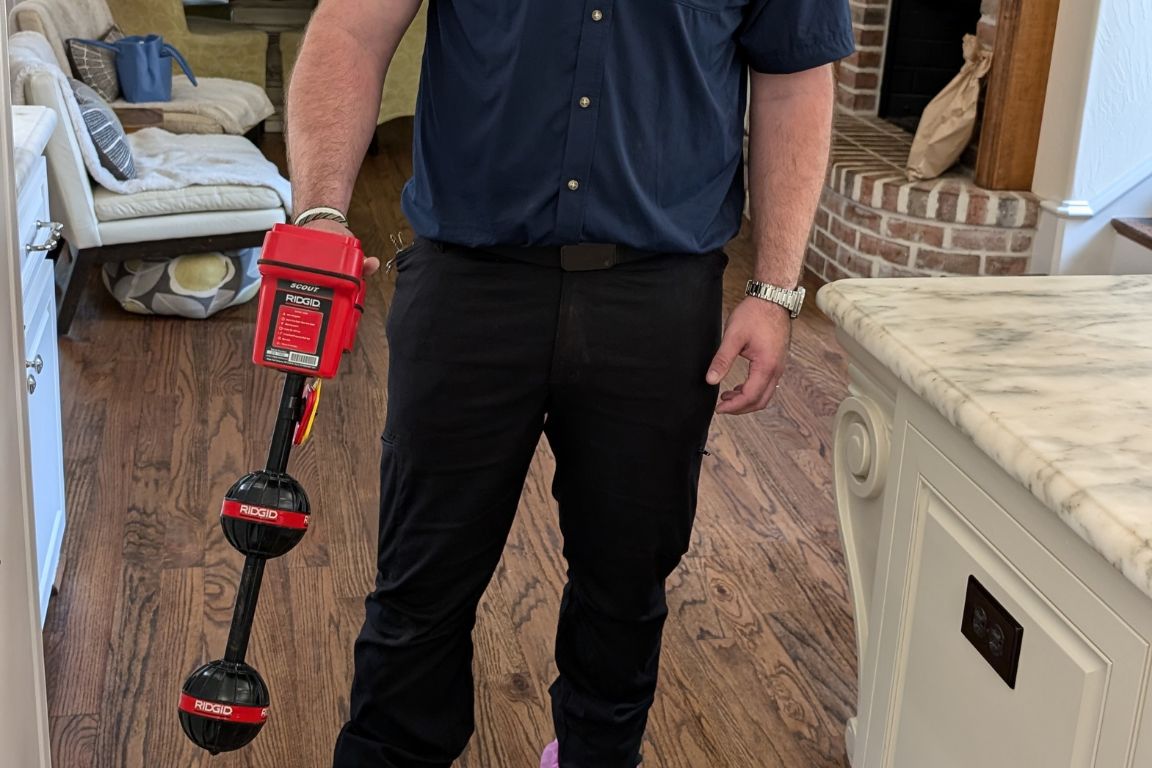
If a leak under your concrete foundation caused water damage in the home, you need to call two professionals: a licensed plumber and a certified water damage restoration company.
Here’s what to expect from each:
What the Plumber Does: Find and Fix the Leak
A licensed plumber’s job is to locate the underground water leak and fix it using the most minimally invasive detection and repair methods possible.
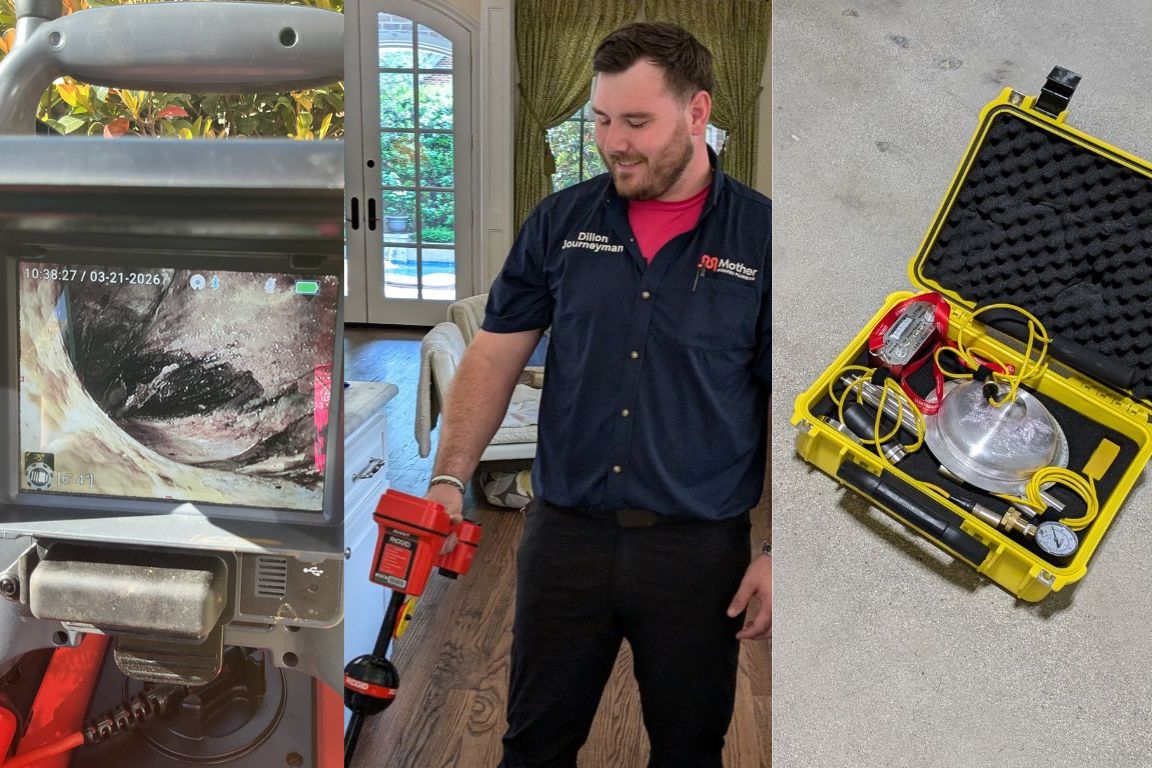
The process begins with non-invasive slab leak detection. Advanced tools are used to find the precise location of your leak without property damage, like acoustic listening devices and infrared thermal imaging cameras.
Once the leak location is identified, your plumber must share the findings. “See what we see, and you’re empowered to make an informed slab leak repair decision,” Steven states.
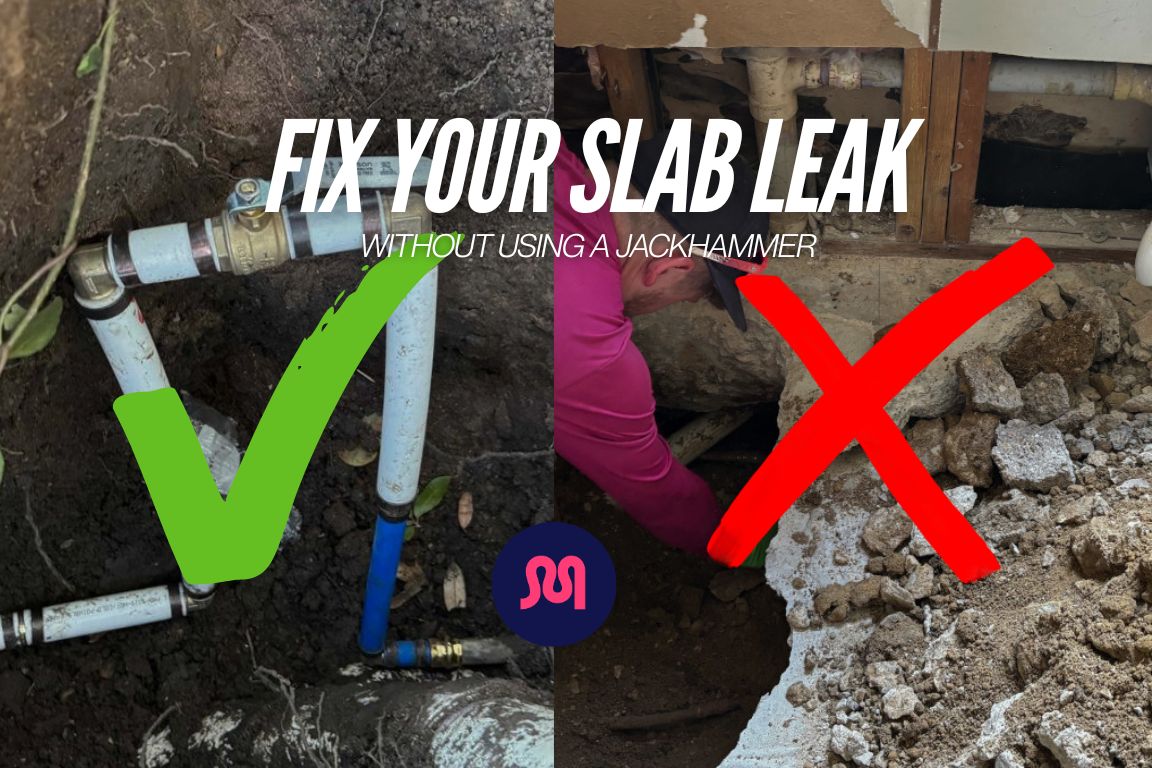
There are multiple great options to repair your foundation leak without using a jackhammer or tearing open your floor. Trenchless repairs and attic reroutes are excellent repair methods in the right home conditions.
What the Restoration Company Does: Remediation and Mold Prevention
Your plumber finds and fixes the leak. A certified water damage restoration company provides professional cleanup and remediation services.
Expect these four services from your remediation team:
- Water extraction and moisture mapping. Truck-mounted extractors are used to pull moisture from floorboards, subfloors and affected areas. Moisture meters are used to track how far water wicked up the drywall.
- A controlled “flood cut”. Saturated drywall, insulation and wood can’t be dried out fully. A targeted flood cut is made, usually the bottom 12-24” of drywall and baseboards. This allows replacement of flood damaged materials and exposes any hidden wet wooden studs in the wall.
- Structural drying. Commercial-grade air movers force water out of the concrete slab and your wall cavities. Powerful dehumidifiers are used to pull evaporated moisture out of your home for 3-5 days.
- Antimicrobial treatment (if needed). Mold growth begins 24-72 hours after moisture exposure- even in your concrete foundation. EPA-certified antifungal and antimicrobial treatments are applied to affected surfaces to stop growth before the walls are closed and concrete is re-covered.
Your Water Damage Restoration Service Must Be Certified
Hire a water damage restoration service that’s certified by the IICRC (Institute of Inspection, Cleaning and Restoration Certification). Without proper IICRC certification, a homeowners insurance adjuster will likely fight paying their invoice.
Look for the following three IICRC certifications:
- WRT (Water Damage Restoration Technician): All qualified restoration companies should own this certification.
- ASD (Applied Structural Drying Technician): Advanced certification for drying out concrete, hardwood and drywall while maintaining structural integrity.
- AMRT (Applied Microbial Remediation Technician): If the leak went unnoticed for several days and visible mold growth is present.
Need Expert Slab Leak Detection in DFW? Call Mother
Dealing with water coming up through your concrete slab requires precision, and tools that don’t add to the already messy situation.
Hire licensed plumbers with advanced slab leak detection equipment that requires no trenching or property damage. Ask about the least invasive repair method possible- when trenchless and rerouting methods exist, there’s no reason to pick up a jackhammer.
If you live in the DFW Metroplex, call Mother 24/7/365 for immediate response and same day scheduling for slab leak emergencies. We coordinate with certified water damage restoration services to provide fast, lasting relief for your household.
{{slab-leak-repair="/services/slab-leak-repair"}}