How Leak Detection Protects Your Real Estate Closing
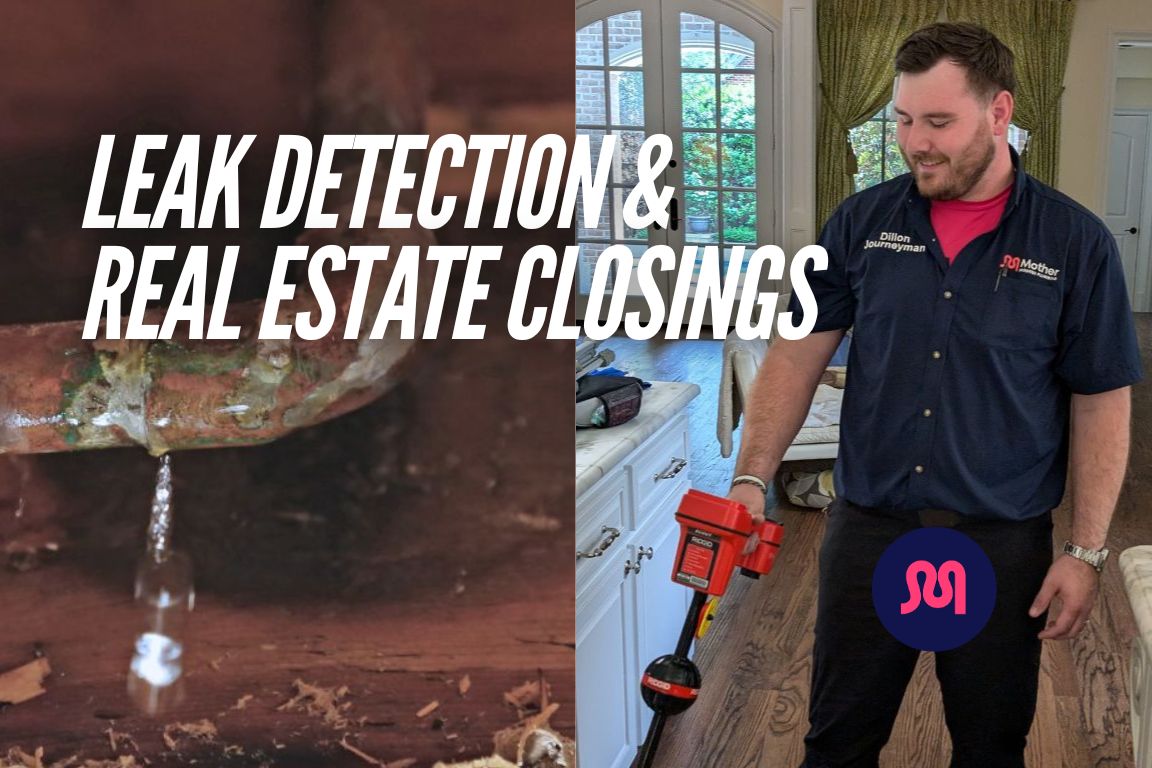


table of contents
table of contents
The average residential insurance claim for a water leak is over $13,000. Specialized leak detection for real estate closings usually costs under $500. Scheduling a water leak detection appointment is the smart move for people looking to buy a home.
Home sellers usually have to disclose any leaks they know about. But even honest sellers can miss hidden leaks underground. And in competitive real estate markets, you may be asked to buy a home “As-Is”- which means you take responsibility for the home’s condition.
If you’re buying a home, especially under “As-Is” conditions, specialized leak location service is the best way to protect yourself. Our Master Plumbers explain the necessary services and advanced equipment you should ask for to get complete peace of mind.
We also spoke to DFW real estate broker Aaron Shockey for expert insight on this topic. Aaron’s white glove approach to customer care includes making smart recommendations to potential home buyers regarding leak detection and other safeguards.
{{leak-detection-b8f9b="/services/leak-detection-b8f9b"}}
“Known Water Leaks”: The Tricky Language of Real Estate Closings

“The term that gets a lot of home buyers confused is ‘known water leaks’,” explains our Responsible Master Plumber Steven Smith (RMP-43457). “Folks assume that means the seller or their agent will disclose every leak in the history of the house. That’s not exactly true.”
When you’re buying a house, sellers have to tell you about any active or past leaks they’re aware of. But they aren’t required to go out of their way to discover any active or potential leaky pipes on the property they don’t know about.
In Texas, the Seller’s Disclosure Notice is pretty comprehensive. It includes plumbing defects, flood damage, water damage, and even flood zone status. But even this document doesn’t force the current owner to seek hidden leaks in or under their home.
Two Other Phrases That Make Leak Detection Important
If either of these phrases come up during your real estate purchase and closing process, strongly consider calling a licensed plumber for leak detection before you close.
- “As-Is”: Buying a home as-is is risky. This clause usually comes up in a high-demand market when there’s strong competition from other potential buyers. As the buyer, you take on all responsibility for unforeseen or undocumented damage in the home, including its plumbing.
- Caveat Emptor: This is Latin for “let the buyer beware”. Some states’ laws lean heavy on this phrase, like Georgia and Virginia. While sellers still can’t lie about known leaks, it’s usually much tougher to prove they were negligent.
A leak detection assessment during the closing process reveals any potential issues before the property becomes your responsibility.
Honest Sellers Can Miss Hidden Leaks, Too
Most sellers act in good faith. Scheduling leak detection during the closing process isn’t accusing them of something. It’s just protecting your investment.
“You’re about to spend six figures and put decades on a mortgage,” Steven says. “A couple hundred bucks on a leak inspection beats $10,000+ on water damage restoration.”
When to Schedule Leak Detection As a Home Buyer
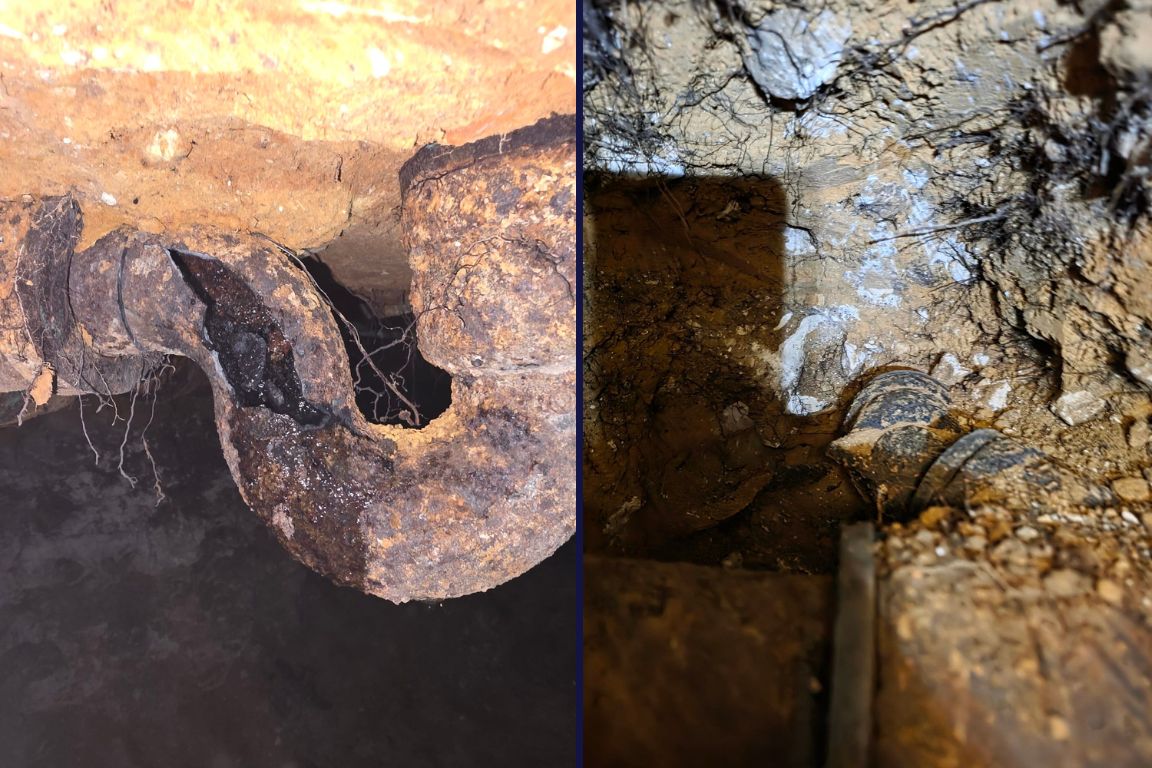
Not sure whether to book a leak detection inspection before your real estate closing? Aaron Shockey guides us through four situations where scheduling the inspection is the smart play for home buyers:
Homes With Existing Cast Iron Underground
“I would definitely see if the home’s been updated to PVC,” Aaron told us before anything else. To him, getting any existing cast iron inspected is worth the nominal cost.
“I think it's worth it the couple hundred dollar investment to get that done,” he says. “Maybe just for peace of mind. But if they find something, you can get that handled before closing so you know what you’re walking into.”
Homes Built Before 1980
“It all depends on the year the house was built,” Aaron says. He cites existing underground cast iron pipes as a major source of hidden leaks.
“Builders did away from cast iron around 1980,” he continues. “Cast iron is going to be replaced eventually because it bellies and it just erodes.”
Homes With Existing Foundation Problems
Existing cracks in slab-on-grade foundations are a red flag that buried water lines may be cracked. So is water pooling around the foundation.
Aaron points out that existing cast iron pipes and foundation issues are a terrible combination for home buyers.
“If you have to do slab foundation work and there’s cast iron, you’re more than likely going to have to replace the plumbing at the same time,” he explains. “Because the work’s going to move the cast iron- and it’s not supposed to move that way.”
“If the foundation moves 2 inches during repair, it will break the cast iron line.”
Homes Sitting on Clay Soil
This is a major issue for homes in the DFW Metroplex, which sits on a bed of highly clay-rich soil. The clay expands violently when it takes on water, then contracts and cracks as it dries. This shrink-swell cycle causes hidden underground water leaks.
“Big problem in older pockets of DFW like sections of Plano,” Aaron says. “A lot of clay dirt, a lot of buried pipe problems.”
Home Sellers Should Consider Leak Inspections, Too
Even though most home sellers don’t technically have to seek out hidden leaks, it’s a show of good faith that eliminates any future complaints from the buyer.
“It's best before you list to dot your Is and cross your Ts,” Aaron says. “Have a scope done just so you can deliver the property in its best condition.”
If the buyer has any inclination a problem may exist, Aaron advises sellers to do their own due diligence as well to have the same information as the buyer.
“I’d play my own offense,” he explains. “If they’re going to do their own inspection, I’d schedule my own scope as well.”
What to Expect During a Real Estate Leak Detection Inspection
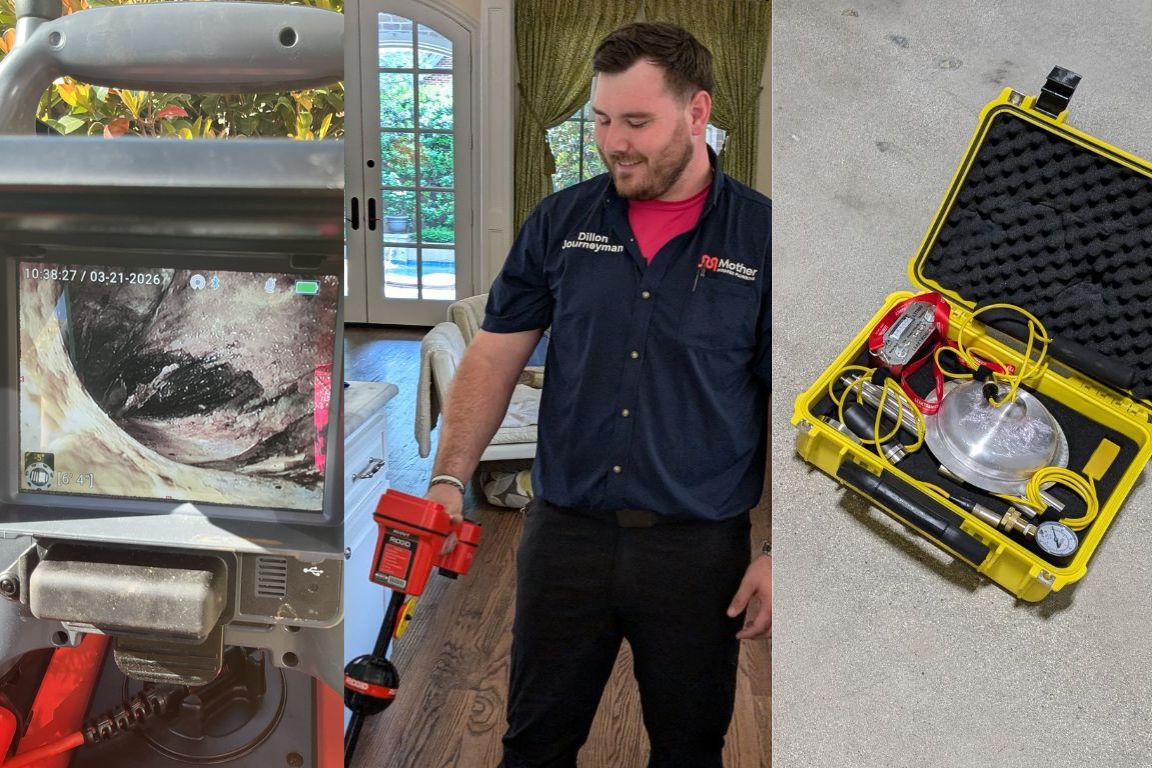
If you’re scheduling a water leak inspection for your real estate transaction, always hire an insured, licensed plumber. Ask them during your initial consultation about their experience with handling real estate plumbing inspections.
The entire inspection can be completed without any digging or property damage. Modern leak location equipment is non-invasive and can be done without excavation or tearing open your walls or floors.
“If the leak detection company wants to bring shovels, hire another company,” Steven says.
Three Leak Location Devices Your Plumber Should Own
Your licensed plumber should bring these three pieces of advanced leak location equipment to your real estate inspection:
- Acoustic listening devices: Acoustic leak locators are great for underground water leaks. They use sound waves of water escaping pressurized water pipes to locate even small pinhole leaks underground.
- Infrared thermal imaging: Infrared cameras create a “heat map” through walls, floorboards and your soil. They’re particularly useful when determining hot water leaks vs. cold water leaks.
- Sewer line camera: An HD camera is lowered into your sewer line on a flexible cable and relays live footage to a monitor on the surface.
Always Check Your State Laws
Every state has different laws governing real estate transactions, buying and selling homes, and exposure to risk and damages.
We’re plumbers, not lawyers. Be sure to check your own state’s laws for specific information about water leaks and real estate- ask your agent if you’re unclear on anything.
Need Leak Detection for Your DFW Real Estate Closing?
If you need advice on a quality leak detection specialist for your real estate transaction, Aaron says you should ask your agent.
“A lot of people who are buying a house don’t know who to call,” Aaron says. “I’ve built connections for home plumbing inspectors. People ask me for the contact and I’ll set it up for them.”
Mother Modern Plumbing’s Master Plumbers have decades of combined experience completing plumbing inspections for home buyers and sellers throughout the DFW Metroplex. We’re here 24/7 to answer your call, whether you’re a real estate agent or on either side of the transaction.
{{leak-detection-b8f9b="/services/leak-detection-b8f9b"}}