.svg)
Broken Pipe Under House? What to Do Right Now
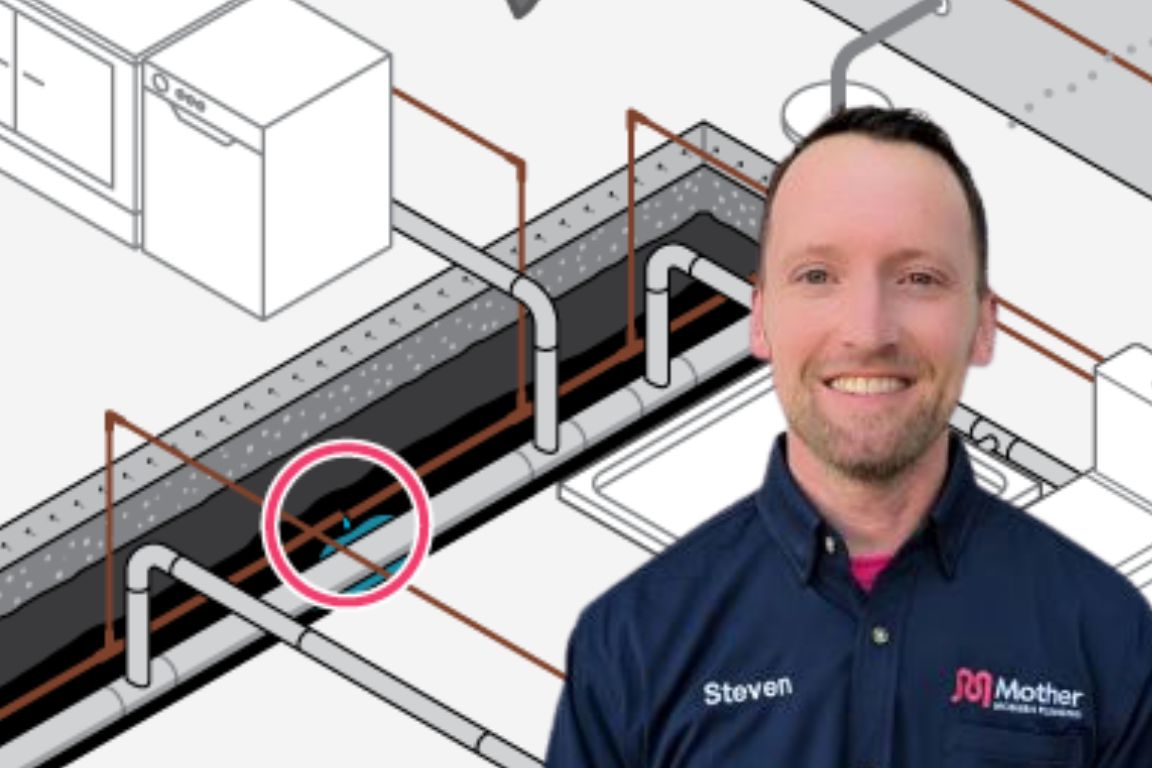


table of contents
table of contents
If there’s a broken pipe under your house, the first thing to do is turn off the water supply to prevent further loss from your pressurized supply line. Document the damage to support your homeowners insurance claim, and don’t let anyone dig on your property without a license.
A burst pipe under your house is a serious plumbing emergency- even if your floors are bone dry. Use our Master Plumbers’ advice in this step-by-step guide to accomplish five things:
- Determine for sure that you have a slab leak under your house;
- Cut off the incoming water supply to stop the leak;
- Secure your homeowners insurance claim;
- Protect your loved ones and your foundation; and
- Identify the right professionals to call.
Note: If you have active water pooling inside your house right now, switch over to our emergency guide on how to deal with water coming up through your concrete foundation.
{{slab-leak-repair="/services/slab-leak-repair"}}
Is It a Burst Pipe Under the House? Quick Symptom Check

You need validation that this is actually a broken pipe under your slab before you go through the trouble of turning off your water and calling an emergency plumber.
Here are five unmistakable signs you have a slab leak under your house:
- A spinning water meter. The ultimate confirmation. All your fixtures are off, but the dial on your water meter is moving.
- The sound of running water. Especially if you aren’t using any taps, faucets or fixtures. Listen for a rushing or hissing sound under the floor or behind the walls.
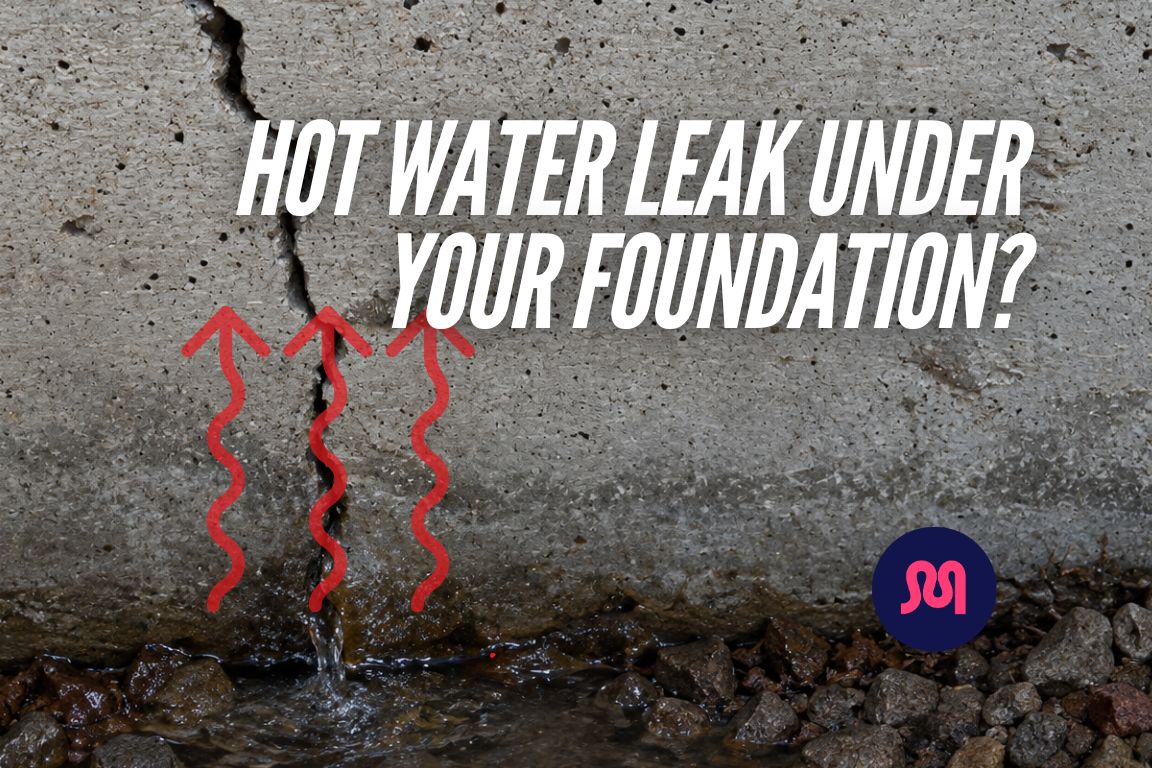
- A warm spot on the floor. This is a telltale sign of a leaking hot water line under your foundation- and it’s actually a valuable discovery that saves diagnostic time.
- Water pooling in the yard. Look specifically near the foundation first, then for a long strip of lush damp grass (this occurs above your buried water main).
- A massive water bill increase. This is often the only warning sign of a hidden water leak underground near the slab. Did your water bill double without increased use?
“Reframe how you look at these symptoms,” says our Responsible Master Plumber Steven Smith (RMP-43457). “Yeah, they’re an unpleasant sign of a slab leak crisis. But it’s better to notice them and get a jump on repairs before the damage gets worse.”
Step 1: Stop the Water to Protect Your Foundation
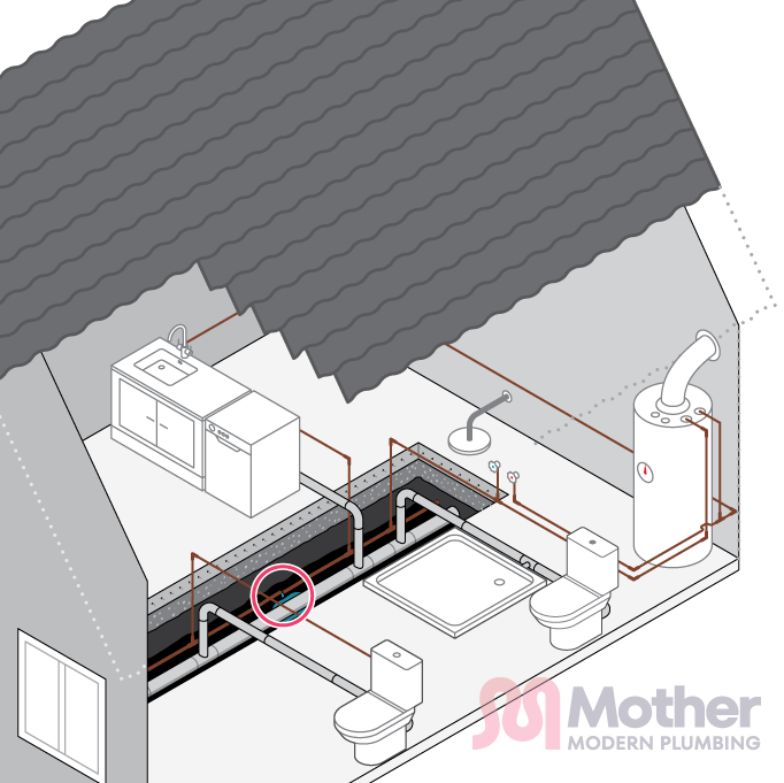
Cut off the incoming water supply immediately. This cannot wait. A pressurized burst pipe under your house can dump thousands of gallons of water into the soil. This doesn’t just waste water and money- it puts your house at risk.
This is particularly dangerous in clay-rich soil regions like the DFW Metroplex. High clay concentrations take on water rapidly and swell violently, heaving your foundation and causing cracks and structural instability.
Even pinhole leaks under the foundation cause massive problems. The EPA reports a water line leak of just 1/32” pumps 6,300 gallons of water into your yard every month.
“Don’t worry about the size of your leak,” Steven warns. “Just shut off your water right away, please.”
Whole Home or Water Heater: The Hot vs. Cold Water Shut Off Decision
If you suspect a hot water leak, the situation is actually simpler to deal with.
“If you know the leak’s on the hot water side, you can safely keep the cold water supply on without making things worse,” Steven explains. “Just isolate and shut down the water heater to stop water funneling into the broken pipe.”
If you don’t feel a warm spot on your floorboards, you likely have a cold water slab leak. This requires you to shut the water supply off to your entire house.
If you aren’t sure whether it’s a hot or cold water leak, it’s best to turn off the main water supply until a licensed plumber inspects your plumbing system.
Not sure how to turn off the water? Use our guides!
- Shut off the hot water supply (water heater)
- Shut off water to your house (cold water leak or unsure)
If It’s a Sewer Leak Under Your Foundation, Stop Here
If you see or smell sewage coming from a burst pipe under your house, this is where your journey ends. Handling raw sewage or wastewater is never okay- it’s a biohazard and you risk exposure to viruses, parasites and bacteria.
You should still shut off the incoming water supply to avoid adding more water to the flooding event.
As soon as that’s done, switch over to our sewage backup emergency guide for the specific steps to take.
{{sewer-leak-or-water-leak-under-house-how-to-tell="/blogs/sewer-leak-or-water-leak-under-house-how-to-tell"}}
Step 2: Document the Scene for Homeowners Insurance
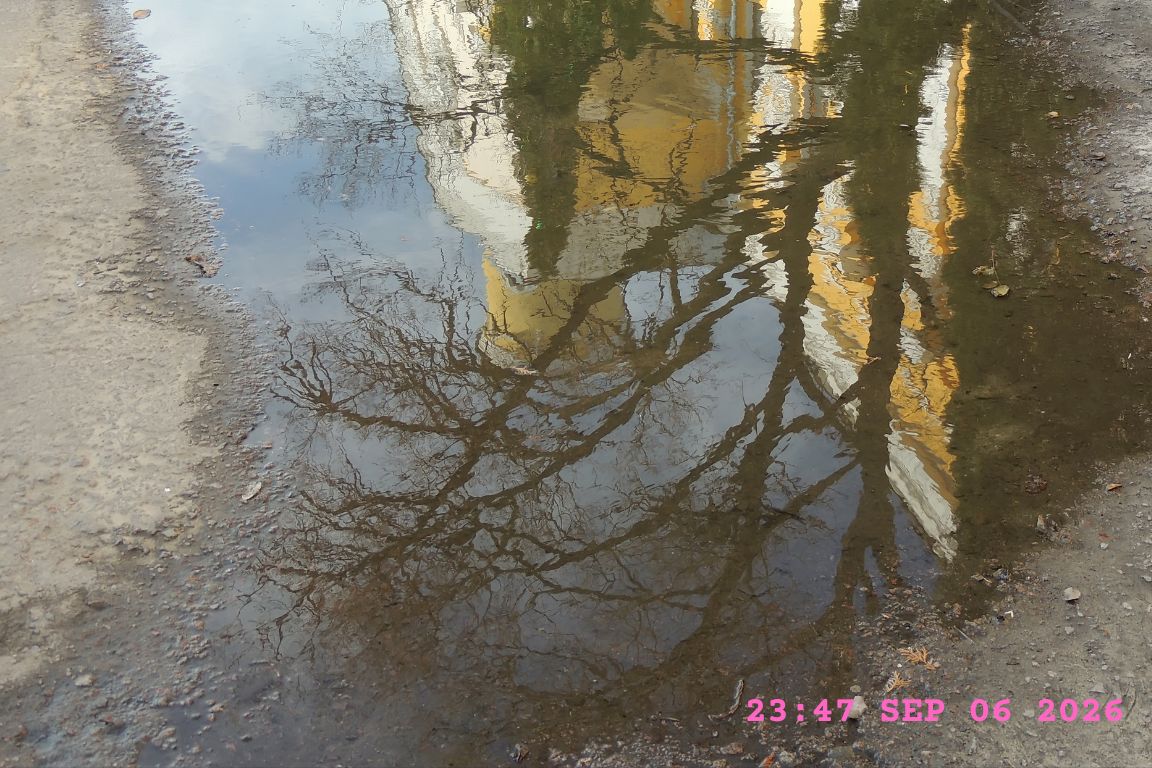
Before you attempt to clean anything up- in or outside the house- take photos and videos of any flooding, damaged items or property damage. They’re essential weapons that support your homeowners insurance claim.
Insurance adjusters may try to call your burst under-slab pipe a maintenance issue. This is because most homeowners policies cover water damage from sudden events, but not gradual damage from leaks.
“Document your water damage the second you see it,” Steven advises. “Make sure there are timestamps on the photos and videos. You’ll show that you took swift action the moment the leak was discovered.”
The Photos and Videos to Take For Insurance
If signs of water damage appear outdoors, capture the following images and videos to assist with your claim:
If the majority of your slab leak symptoms are indoors on your walls and flooring, refer to our list of photos to take for insurance inside the home.
Step 3: Two DIY Steps for Safety and Damage Prevention
Now that the water supply is turned off and you’ve documented damage for your insurance claim, it’s time to protect your home and the people who live in it.
Some things- like water damage restoration and leak repair access- should be left to professionals. But you can take these two DIY steps to safeguard your home while you wait!
Kill the Power to Your Water Heater
Head to your breaker box and flip the switch for the water heater off. If you are not comfortable doing that, turn your gas valve to “pilot” or off.
This eliminates the risk of a dry fire- what happens when your tank drains fully but the heating elements and/or gas burners stay on.
“If the burners stay on in an empty tank, the unit still tries to heat the tank,” Steven explains. “That will fully destroy your water heater. Shut it down.”
Clear the Exterior Perimeter
If you notice fresh water pooling around the foundation, use a push broom to create a drainage path away from the house. Clear any mulch or debris standing between the water and a natural downhill flow.
“Your property is graded away from the house,” Steven says. “Create a downhill path and the puddles near the house should start to drain away.”
This is especially important for owners of brick homes, like the brick ranch homes in Richardson and Garland. Keep the pooled water below the brick weep holes so it doesn’t enter the wall cavities.
Pro tip: “If puddles are creeping towards your outdoor AC compressor, shut off the AC breaker immediately,” says Steven. “You’ll prevent an electrical short.”
Step 4: What NOT to Do (Don't Ruin Your Claim)
What you don’t do if there’s a broken pipe under your home is just as important as what you try to handle. These three actions won’t just risk further property damage. They’re likely to ruin your homeowners insurance claim.
- Don’t ignore it. Turning on the water to take a shower or wash dishes re-pressurizes the system. This causes foundation washout and gives your insurance company a valid reason to deny your claim.
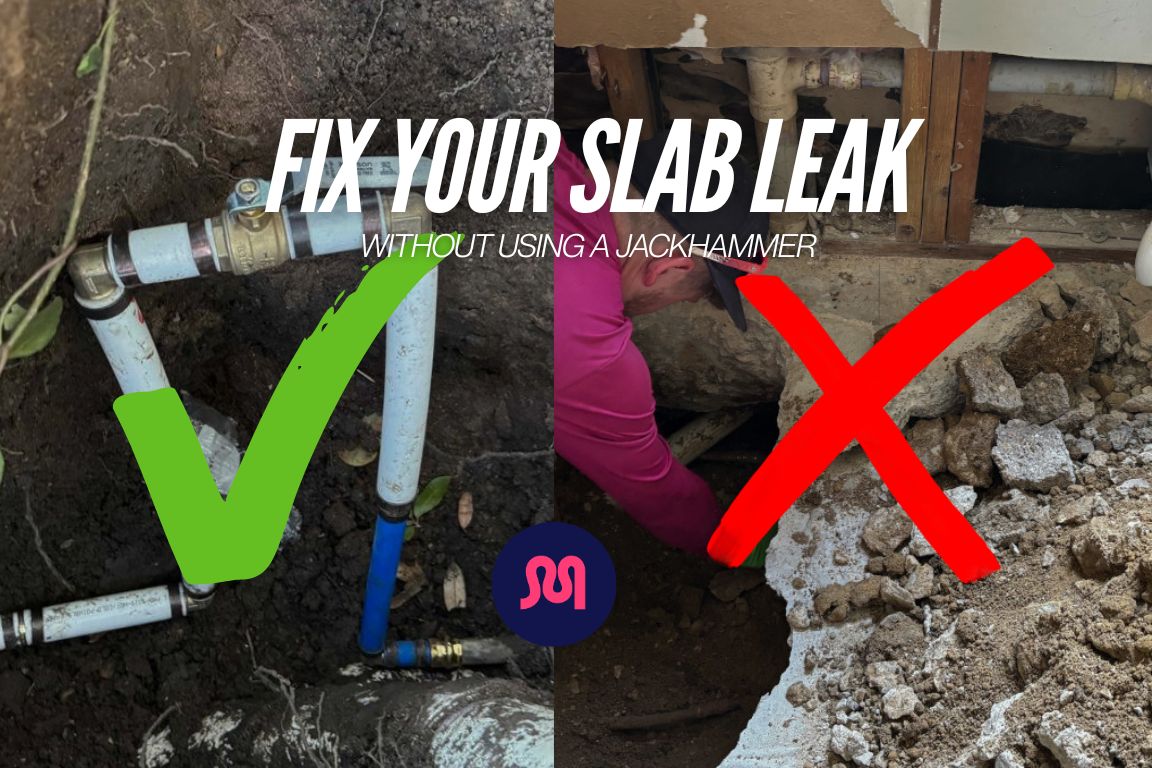
- Don’t let anyone dig without proof. “Don’t let a plumber jackhammer the floor or dig in the yard just to poke around,” Steven warns. “There are completely non-invasive ways to detect the location of a slab leak.”
- Don’t try to tunnel yourself. Digging under a heavy concrete slab without structural engineering support puts the stability of your entire home in severe jeopardy.
Step 5: Call a Licensed Plumber for Non-Invasive Detection
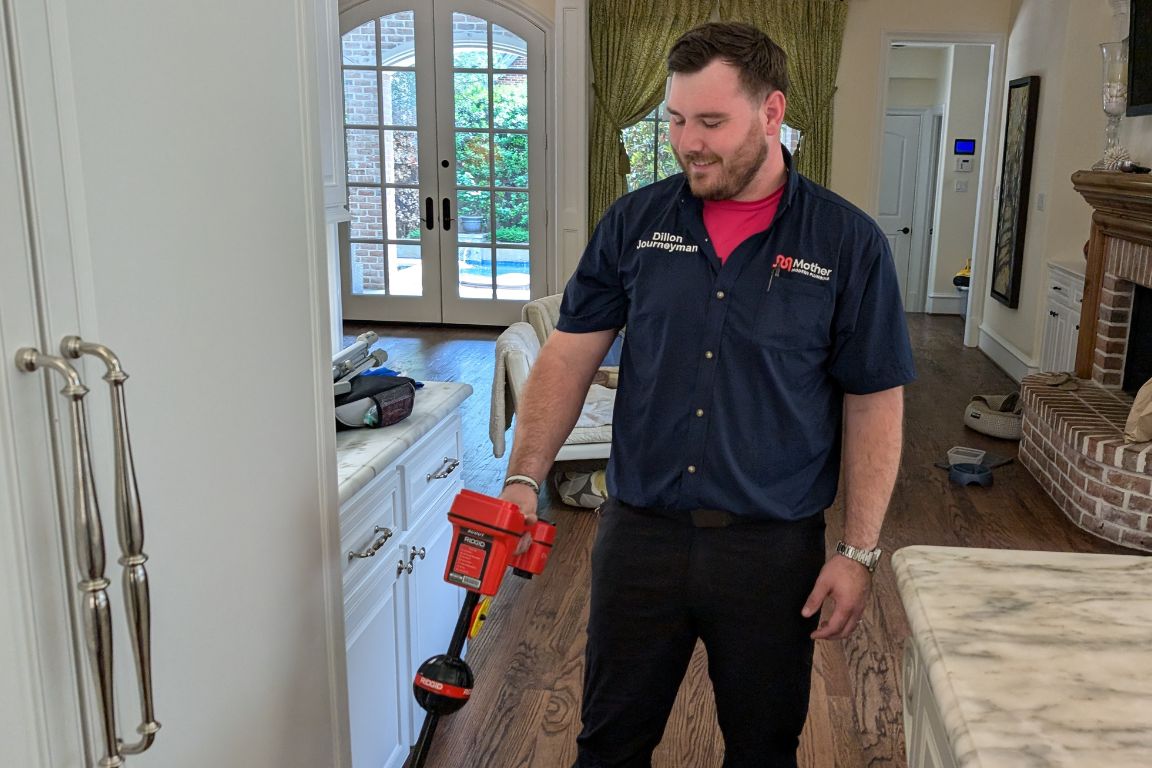
Hire a licensed plumber who owns and operates non-invasive slab leak detection equipment. Modern leak location devices find the precise location of a burst pipe through the concrete without digging, property damage or using a jackhammer in the house.
Acoustic listening devices and infrared thermal imaging cameras are the location tools you want the plumber to use. Acoustic technology targets even tiny pinhole leaks by triangulating sound waves of leaking water. And infrared cameras map hot and cold temperatures underground to find where water is escaping through leaks.
And finding your burst pipe doesn’t automatically mean destroying your house or tearing up expensive landscaping and hardscaping. Modern solutions like attic rerouting and trenchless epoxy pipe lining provide lasting slab leak repair solutions with minimal property damage.
Do You Need a Water Damage Restoration Company?
Whether you need a certified water damage restoration company or not depends entirely on the extent and scope of the breach.
If the water stayed entirely beneath the slab and washed out into the yard, a licensed plumber is usually all you n eed.
If the burst pipe sprayed upward, breached the vapor barrier and wicked into your drywall or flooring, you need a plumber to fix the pipe and a restoration crew to dry the home and prevent mold.
Be sure your water damage restoration team is certified by the IICRC. Read more about what a water damage restoration service does and the certifications it should hold.
Schedule Emergency Slab Leak Repair in Dallas-Fort Worth

Mother Modern Plumbing specializes in concrete slab leak detection and repair throughout the DFW Metroplex.
Our team finds and fixes the broken pipe under your house without breaking your floor or digging in the yard. We stop the foundation damage in its track and provide permanent solutions with trenching, trenchless and rerouting repair methods.
We also coordinate directly with certified local water damage restoration companies to provide a seamless emergency plumbing experience.
Call Mother 24/7 anywhere in the DFW Metroplex for emergency slab leak detection and repair service.