.svg)
Water Leak Detection in Dallas-Fort Worth

What's Included:
- Fixed Quote Emergency Leak Detection Service
- Underground Leak Detection With No Digging
- Licensed Plumbing Leak Detection Specialists
- "Best in DFW" Leak Locator Technology
- Get Same Day Service!
- Family Owned and Operated
- Fix Your Issue 100% Guaranteed



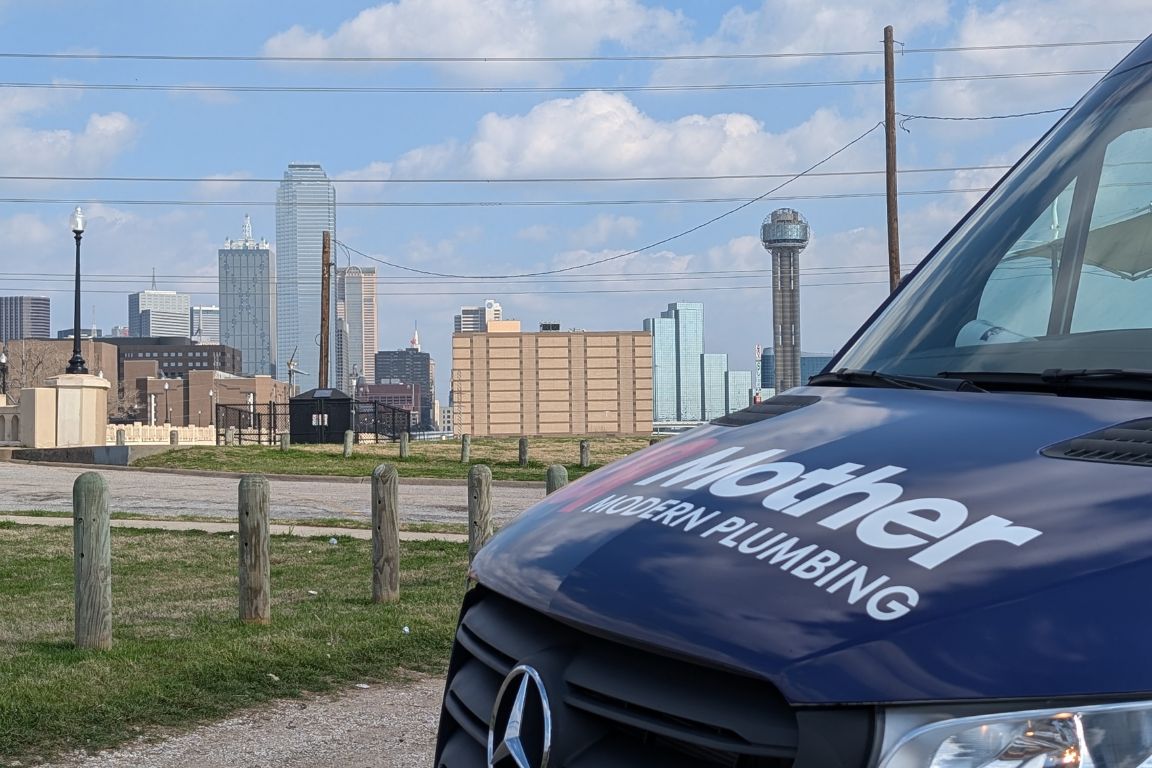
A $200 spike in your water bill. A warm spot on your kitchen floor. The faint sound of running water at 3 AM when every faucet is off. These aren't minor annoyances - they're signs that pressurized water is escaping beneath your foundation right now.
Mother Modern Plumbing uses electronic, acoustic and thermal detection technology to pinpoint leaks within inches - before anyone touches your slab. No exploratory demolition. No guesswork. Just precision detection with written documentation for your insurance claim.
Call Mother 24/7 for pinpoint water leak location in Dallas.
Warning Signs Dallas Homeowners Should Never Ignore
These symptoms indicate pressurized water escaping consistently:
- A $50+ spike in your water bill with no change in usage
- A warm spot on your slab - especially near White Rock Lake or in Preston Hollow
- The sound of running water at 2 AM when nothing is on
- Low water pressure throughout the house
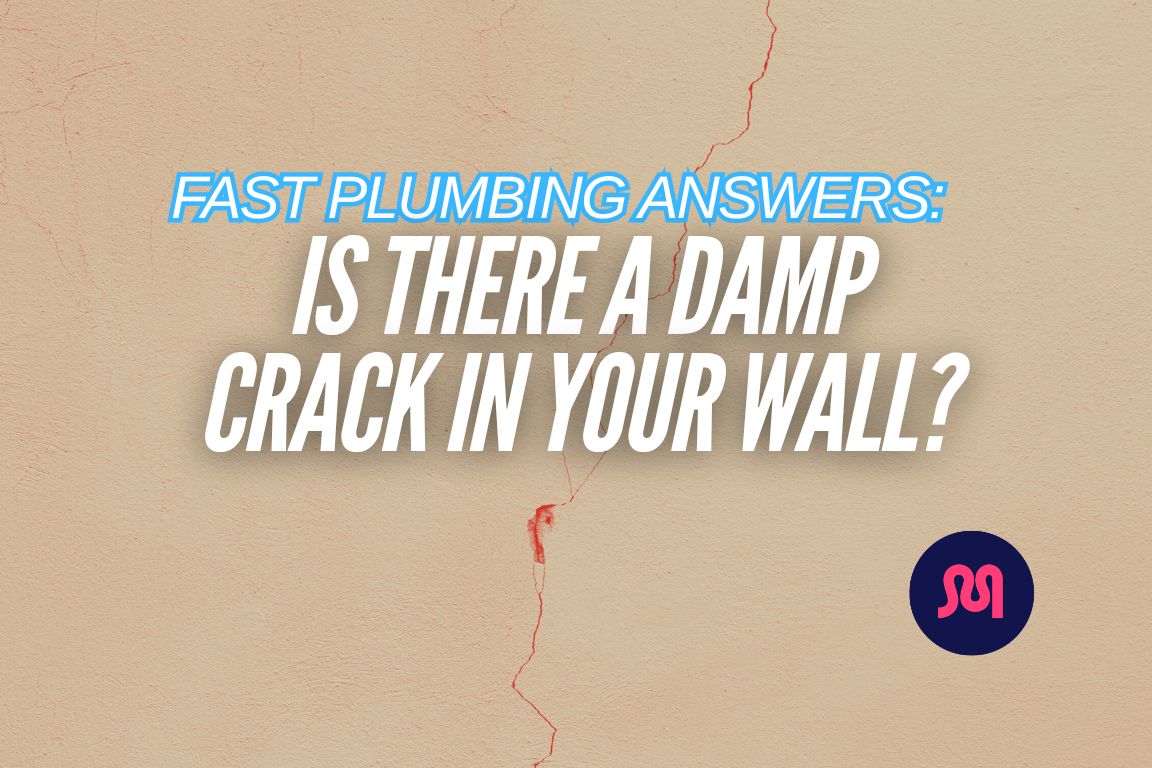
- Cracks appearing in walls or foundation
- Musty smell you can't locate
Every hour of delay increases foundation saturation, mold risk, and repair costs.
The Meter Test You Can Do Right Now
Before you call for service, use this simple meter test to determine if your underground leak is active.
- Turn off every water fixture and appliance in your home
- Locate your water meter (usually near the street)
- Check the flow indicator (small triangle or dial)
- Wait 15 minutes
- Check again
If the flow indicator moved, you have an active leak.
What Professional Detection Includes - And What It Doesn't
Here’s what separates a quality, reliable Dallas leak detection service from one to avoid:
Professional detection always includes:
- Meter verification before beginning
- Systematic pressure isolation testing
- Acoustic and thermal technology deployment
- Clear marking of identified leak locations
- Written documentation with thermal images and pressure test results
Red flags to avoid in a leak detection service:
- Repair quotes before confirming location
- Exploratory demolition
- Verbal assurances without documentation
Written Documentation Protects Your Insurance Claim
Your insurance adjuster requires thermal images, pressure test results, and marked locations. Verbal assurances from a contractor with a sledgehammer won't satisfy your claims process.
Professional detection creates the paper trail that protects your claim. This documentation is yours - it belongs in your home file whether you use the same company for repairs or not. Mother provides this documentation with your water leak detection service.
Why Dallas Clay Soil Makes Leak Detection Non-Negotiable
Most of Dallas sits on black clay soil This soil expands and contracts up to 75% between wet and dry seasons. That constant movement stresses underground pipes, separates joints, and creates pinhole failures you can't see from above.
Your foundation didn't crack because your home is old. It cracked because the ground beneath it never stops moving.
How Shrink-Swell Cycles Damage Pipes Beneath Your Slab
Post-tension slabs - used in over 90% of DFW homes since the mid-1970s - sit directly on this volatile soil.
Here's what happens:
- During drought: Clay shrinks. Pipes lose support and sag.
- When rain returns: Soil re-saturates. Expansion creates lateral pressure on pipes.
- Over time: This cycle fatigues copper supply lines and separates cast iron joints.
The damage happens slowly. There's often no visible surface evidence until your water bill spikes or you notice that warm spot near the dishwasher.
Different Soil, Different Patterns: Why Expertise Matters
Different parts of Dallas sit on different types of soil. Mother’s leak detection specialists understand the difference between black clay and Austin chalk- we know how corrosion happens differently in each soil type.
Short version: leaks happen differently in Richardson soil than Oak Cliff soil. If your leak location service doesn’t know this, they’re not providing true expertise.
Dallas Water Accelerates Pipe Leaks in Pre-1980s Homes
Dallas Water Utilities uses chloramine disinfection at 1.1 ppm average. Chloramine is more aggressive on brass fittings and rubber components than standard chlorine.
If your home was built before 1980 with original copper supply lines, you face accelerated pinhole leak development. Most Dallas plumbers never mention this chemical reality.
Galvanized and Polybutylene: The Hidden Time Bombs in Older Dallas Neighborhoods
Oak Cliff bungalows. Lakewood cottages. East Dallas homes from the 1960s through 1980s. These neighborhoods contain galvanized steel and polybutylene piping - materials with documented failure patterns.
Polybutylene becomes brittle with chloramine exposure. It doesn't leak slowly. It fails suddenly.
Galvanized steel corrodes from the inside out. By the time water pressure drops, the pipe walls are paper-thin.
Detection in these homes requires understanding which failure mode to look for based on pipe material and age.
Live Oaks and Pecans Create Underground Pipe Intrusion Across White Rock and Preston Hollow
Dallas's signature trees - Live Oaks and Pecans - grow radial root systems that extend far beyond their canopy. These roots seek moisture. A small pipe leak becomes a beacon.
Root intrusion accounts for over 50% of sewer blockages nationally. Dallas's mature tree canopy makes this threat constant in established neighborhoods.
If you live near White Rock Lake or in Preston Hollow with mature trees: Your sewer lines are targets. A camera inspection paired with leak detection reveals whether roots have already found their way in.
Slab-on-Grade Foundations Demand Precision Detection Before Any Demolition
Unlike pier-and-beam homes with crawlspace access, Dallas's dominant slab foundations require tunneling or jackhammering to reach under-slab pipes.
This makes accurate detection critical.
Exploratory demolition costs thousands and destroys flooring.
Precision acoustic and thermal detection pinpoints the breach within inches.
The difference between a 6-inch access hole and a destroyed kitchen floor is the technology used before anyone picks up a jackhammer.
Post-Tension Cables Make Blind Digging Dangerous
Post-tension slabs contain high-tension steel cables. If cut, these cables can cause catastrophic structural damage and serious injury.
Any contractor suggesting "exploratory" slab cuts without exhaustive non-invasive detection is either uninformed or indifferent to your home's integrity. There is no acceptable reason to guess when technology exists to know.
Acoustic and Thermal Technology Eliminates Guesswork
Professional leak detection deploys multiple technologies working together:
- Acoustic leak detection triangulates the sound frequency of escaping water
- Infrared thermography maps temperature differentials caused by moisture migration
- Electronic line location traces pipe paths through non-metallic materials
This technology stack delivers pinpoint accuracy. The contractor who shows up with a listening device and a hunch isn't offering the same service.
Pressure Isolation Testing Confirms What Technology Identifies
Before marking any location, systematic pressure testing isolates plumbing zones to confirm active leaks and eliminate false positives.
This verification step separates diagnostic professionals from contractors who profit from uncertainty. If a company quotes repair costs before confirming leak location, they're guessing - or planning to charge you for demolition they'll claim was "necessary."
The Winter Storm Uri Legacy: Freeze Protection for Dallas Pipes
February 2021 proved Dallas isn't freeze-proof. Between 139 and 232 hours below freezing burst pipes across the Metroplex in homes that had never experienced freeze damage.
Dallas's 12-inch frost line means shallow exterior pipes remain vulnerable. Detection specialists identify freeze-damaged sections before they fail catastrophically during the next polar event.
If your home had burst pipes during Uri: The repaired sections may be fine, but adjacent pipe that froze without bursting may have weakened. Detection can identify compromised sections before they become emergencies.
If your home survived Uri without visible damage: You may still have hairline cracks in exterior pipes waiting for the next hard freeze to fail completely.
Fast, Precision Leak Detection in Dallas-Fort Worth
Mother Modern Plumbing serves Dallas homeowners who refuse to gamble with their foundation. Our detection technology pinpoints leaks within inches - protecting your home from unnecessary demolition and protecting you from contractors who profit from uncertainty.
Call Mother 24/7 for water leak detection in the DFW Metroplex.
Neighborhoods in Dallas Where We Deliver Expert Water Leak Detection
Water leak detection in State Thomas requires specialized expertise due to the neighborhood's historic Victorian-era homes, many featuring original plumbing from the late 1800s. Located near the intersection of Allen Street and State Street, just blocks from the Katy Trail and McKinney Avenue restaurants, these one- and two-story Queen Anne and Italianate frame houses often have aging cast iron and galvanized pipes prone to hidden leaks beneath red-brick sidewalks and mature tree-lined streets.
### Ridgewood Park
Water leak detection services in Ridgewood Park address the unique challenges of this East Dallas neighborhood's 1950s-era housing stock, where original copper and galvanized plumbing systems are now over 70 years old. Bordered by Lovers Lane to the north, Abrams Road to the west, and the DART Blue Line to the south, homes near White Rock Lake and the Ridgewood/Belcher Recreation Center often experience slab leaks common in mid-century ranch-style foundations. The mix of original properties and modern new-builds along Fisher Road means leak detection methods must adapt to varying construction types.
### Reunion District
Water leak detection in the Reunion District serves the high-rise condos and commercial properties surrounding the iconic 561-foot Reunion Tower near the intersection of Reunion Boulevard and Houston Street. This downtown Dallas hub, adjacent to Dealey Plaza and the Kay Bailey Hutchison Convention Center, features primarily multi-story buildings with complex plumbing systems requiring advanced acoustic and thermal imaging detection methods. The district's proximity to Union Station and the Hyatt Regency means leak issues can quickly impact neighboring commercial tenants.
State Thomas
Water leak detection in State Thomas requires specialized expertise due to the neighborhood's historic Victorian-era homes, many featuring original plumbing from the late 1800s. Located near the intersection of Allen Street and State Street, just blocks from the Katy Trail and McKinney Avenue restaurants, these one- and two-story Queen Anne and Italianate frame houses often have aging cast iron and galvanized pipes prone to hidden leaks beneath red-brick sidewalks and mature tree-lined streets.
Ridgewood Park
Water leak detection services in Ridgewood Park address the unique challenges of this East Dallas neighborhood's 1950s-era housing stock, where original copper and galvanized plumbing systems are now over 70 years old. Bordered by Lovers Lane to the north, Abrams Road to the west, and the DART Blue Line to the south, homes near White Rock Lake and the Ridgewood/Belcher Recreation Center often experience slab leaks common in mid-century ranch-style foundations. The mix of original properties and modern new-builds along Fisher Road means leak detection methods must adapt to varying construction types.
Reunion District
Water leak detection in the Reunion District serves the high-rise condos and commercial properties surrounding the iconic 561-foot Reunion Tower near the intersection of Reunion Boulevard and Houston Street. This downtown Dallas hub, adjacent to Dealey Plaza and the Kay Bailey Hutchison Convention Center, features primarily multi-story buildings with complex plumbing systems requiring advanced acoustic and thermal imaging detection methods. The district's proximity to Union Station and the Hyatt Regency means leak issues can quickly impact neighboring commercial tenants.



Michelle Degan
This is our second time using Mother’s plumbing. Once for a gas leak and now for a water leak. They have consistently been communicative, professional, and reliable. Thanks to Matt (gas leak) and Jerry (water leak). Highly recommend!
May 2026

Rex Reece
Thanks again for the leak investigation
November 2025

Ashley Martin
I am a repeat customer and I consistently have a wonderful experience. Today Grant Baker fixed a whole boatload of seemingly little things that can cause me big problems down the road. He did a great job and worked late on a Friday to get it all done.
March 2026
How much does underground leak detection cost in Texas?
Why do I hear water running in my walls?
What are warning signs of a hot water pipe leak?
What is acoustic leak detection?
What leak detection equipment do you use?


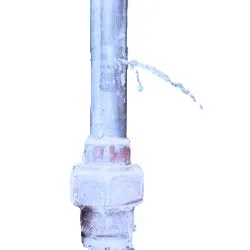
-(27).webp)
-(22).webp)
-(16).webp)
-(8).webp)


-(1).jpeg)
.webp)