.svg)
Fast Plumbing Answers: Why Is My Tankless Leaking?
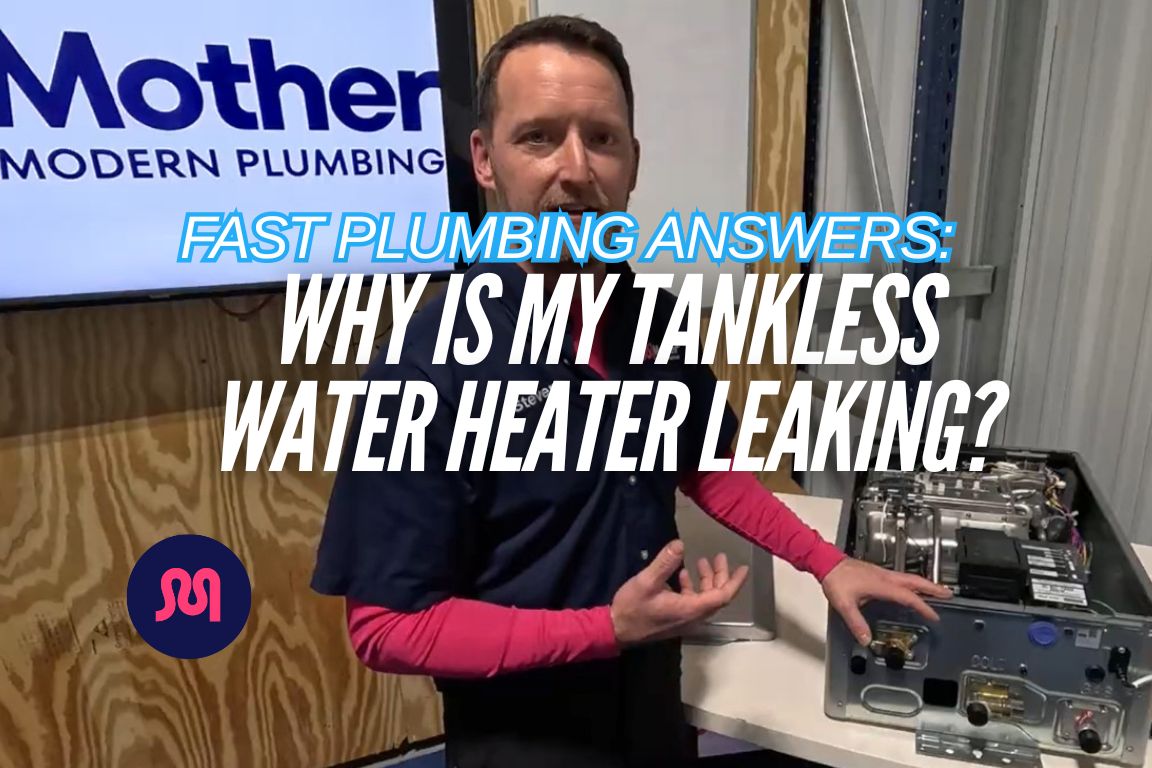


table of contents
table of contents
You bought a tankless water heater to avoid leaky tanks and a flooded garage or basement. But now your tankless is leaking- what gives?
Don’t worry: we’ll answer all your questions in 3 minutes or less.
At Mother, we encounter leaky tankless units all the time. Most are caused by the exact same issues that create leaks in conventional water heaters- mineral scaling from hard water, high water pressure issues, and problems with your pressure relief valve (PRV).
Our Master Plumbers guide you through these issues from most to least common, along with the single best solution for each issue. We’ll restore endless hot water to your home as soon as possible- no leaks, no mess.
Need quick tankless repair in Dallas? Call Mother 24/7- we’ll have a licensed plumber to your home ASAP to patch up that leaky unit.
{{tankless-water-heater-repair="/services/tankless-water-heater-repair"}}
Most Tankless Leaks Are Caused by Scale Buildup

Just because you ditched your conventional water heater doesn’t mean you’re safe from hard water. Calcium, magnesium and limescale buildup cause the same problems in your tankless system- just in slightly different places.
“Scale buildup is the #1 cause of plumbing repairs throughout DFW,” says our Responsible Master Plumber Steven Smith. “They’re a water heater killer.”
Steven explains that mineral deposits corrode the inside of your tankless water heater the same way they do in tanks. As water inside your tankless heats up, minerals settle out and build up on core internal components:
- Heat exchanger
- Ignition assembly
- Check valve
- Pressure relief valve (PRV)
- Inlet filter
Any of these components can corrode over time and cause a leak in the unit.
The easy fix: Establish a descaling maintenance routine
The best way to avoid scale buildup in your tankless is by descaling the system. Most homeowners should descale their tankless water heater annually- but if you live in a region with extremely hard water, descaling is necessary every 8-9 months.
If you have plumbing experience or are extremely handy, you can attempt to DIY tankless descaling maintenance. Use Mother’s complete descaling guide to ensure safe maintenance- if you’re going to do it yourself, we want to make sure you do it correctly.
DIY descaling has a downside: if you cause any damage to the unit, you’ll void your manufacturer and product warranties. Call a licensed plumber to handle the job if you’re unsure- it costs $100-$200 more than DIY, but you’ll avoid all the risk.
Keep your tankless clean and repair-free! Copy our easy checklist for tankless water heater maintenance and enjoy stress-free hot water.
{{your-easy-tankless-water-heater-maintenance-checklist="/blogs/your-easy-tankless-water-heater-maintenance-checklist"}}
Already sprung a hard water leak? Call a plumber ASAP
An active leak from your tankless unit means you’re beyond simple maintenance. Repairing a leaky tankless is not a DIY job for two reasons:
- Hot water sprays from corrosion points in unexpected patterns. Avoid scalding risk and exposure to rust and sediment in the water.
- Any damage caused by attempting DIY tankless repairs instantly voids your product warranty. This is especially true for Navien devices.
If you’re in the Dallas-Fort Worth Metroplex, call Mother 24 hours a day to lock in the first available appointment to fix your tankless water heater.
{{tankless-water-heater-repair="/services/tankless-water-heater-repair"}}
Not Scale Buildup? Check for Signs of High Water Pressure
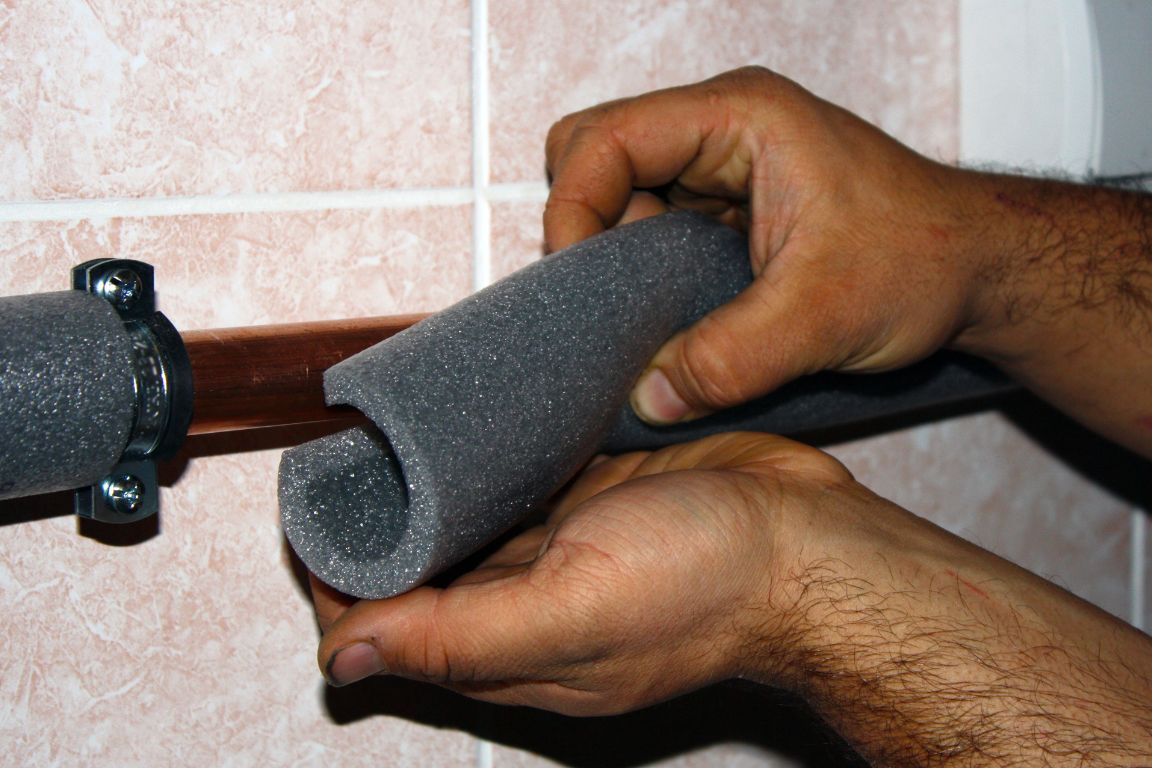
The second most common cause of unexpected tankless water heater leaks is a drastic shift in incoming water pressure. It’s a common problem in metropolitan and urban areas, where city water suppliers increase their water pressure to serve growing populations.
Most tankless water pressure issues present as a water hammer. Water hammers happen when water flow is suddenly stopped- either by a fast-closing valve or a sudden pump shutoff.
This sudden stop creates a shockwave in your pipes that produces an extremely loud banging noise. You may also hear a knocking sound caused by trapped air vibrating in your pipes.
{{fast-plumbing-answers-tankless-water-heater-making-noise="/blogs/fast-plumbing-answers-tankless-water-heater-making-noise"}}
Where to look for high water pressure tankless leaks
These are the two most common areas you’ll find a tankless leak caused by high water pressure:
- Joints in your incoming water line to the tankless
- The pressure relief valve (PRV)
Less Common Reason: A Faulty Pressure Relief Valve
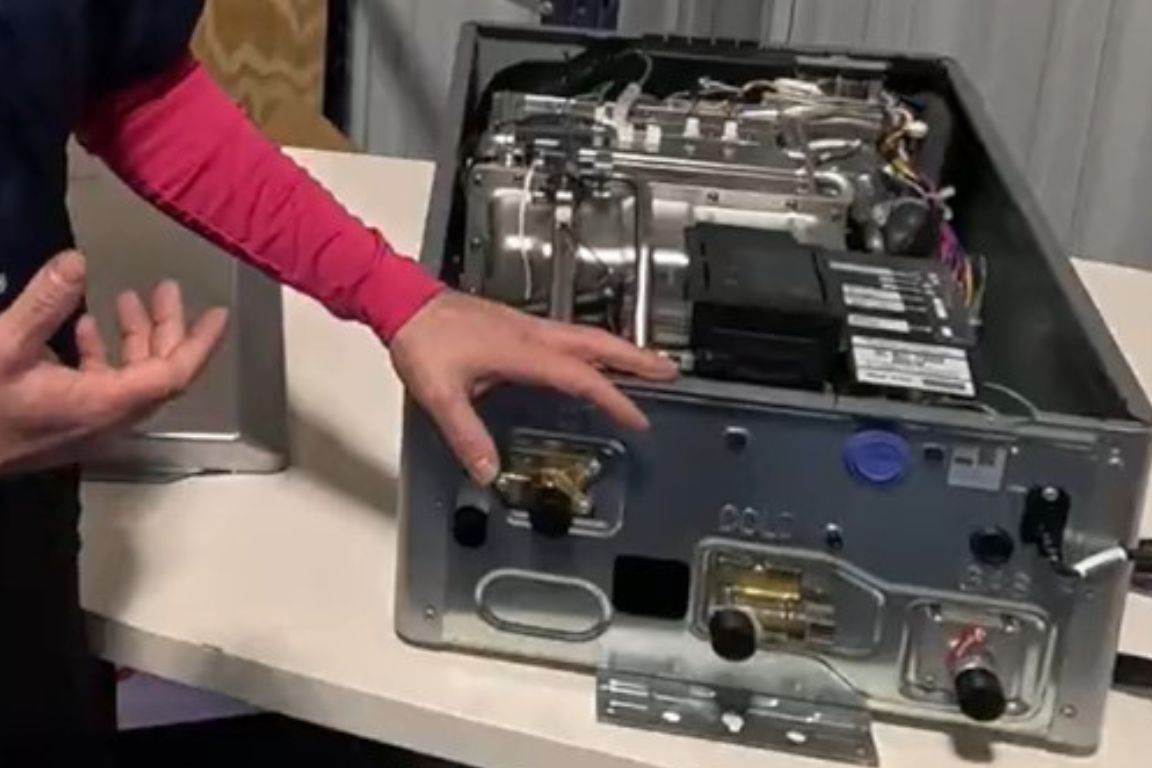
Your tankless water heater’s pressure relief valve (PRV) is an important failsafe. If the internal temperature of your tankless gets too high, the PRV opens to allow hot water and steam to escape the system.
Once the system temperature is regulated, the PRV closes. By doing this, your PRV prevents a faulty thermostat or heating element from quickly ruining your entire tankless system (or causing an explosion).
Steven says the average lifespan of a well-maintained tankless PRV is 10 years. However, hard water and overuse can shorten its life expectancy- especially if it’s not made from heavy-duty brass or bronze.
Telltale signs of a faulty PRV on your tankless water heater
Don’t see a visible leak, but still suspect a problem with the pressure relief valve on your tankless? Here are five common symptoms to look for:
- Hissing or popping sounds from the valve
- Extreme temperature shifts (especially scalding water in the shower)
- Visible rust or buildup on the PRV
- Valve stuck open or closed
- Total tankless shutdown (as a last-ditch safety measure)
Let's Fix That Leaky Tankless Water Heater- Fast
The single best solution to deal with a tankless water heater leak is to call a licensed plumber. (If you suspect your tankless was improperly installed- call someone else.)
DIY tankless repairs are dangerous due to potential hot water scalding and exposure to corrosion. They’re also the #1 reason homeowners accidentally void their product warranty.
Once your plumber resolves the leak, establish a smart maintenance plan for your tankless unit. Start with annual descaling and PRV checks, then ask your plumber how to DIY certain tasks (like visual inspections and cleaning your inlet filter).
Tankless water heater leak in Dallas? Don’t delay- Mother’s here 24/7 to answer your call. Priority scheduling means you always get the first available appointment.
{{tankless-water-heater-repair="/services/tankless-water-heater-repair"}}