Fast Plumbing Answers: Can Sewer Lines Freeze?


table of contents
table of contents
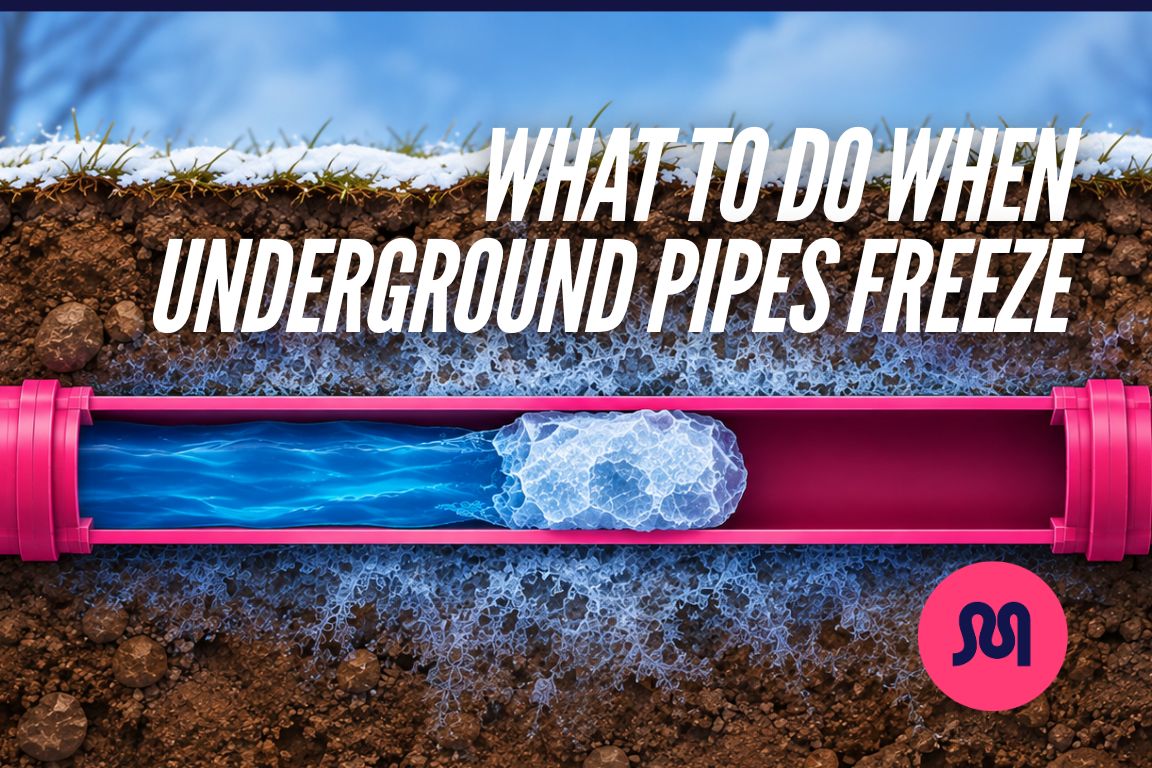
Yes, your sewer line can freeze- even if it’s buried well below the frost line. But if your drains backed up two weeks after the ice melted, it’s not just frozen pipes. You’re dealing with underground pipe damage caused by the soil your home is sitting on. How did this happen?
Don’t worry: we’ll answer all your questions in 5 minutes or less.
At Mother, we get calls all winter about sewer damage caused by freezing events. The black clay soil in Dallas-Fort Worth shrinks in the cold, then expands as moisture penetrates the ground. That’s enough to put 10,000 pounds of pressure per square foot on your sewer pipes.
Drains acting up after a freeze? Call Mother 24/7 anywhere in Dallas-Fort Worth- we’ll have a licensed plumber there within 24 hours.
{{sewer-line-repair-and-replacement="/services/sewer-line-repair-and-replacement"}}
Can Your Sewer Line Freeze? Yes- Here’s How It Happens

Most sewer lines are buried below the frost line to meet local plumbing code. But underground sewer mains can still freeze- this occurs in one of three ways:
- Breaking the frost line. At some point, your sewer main has to cross the frost line to reach your home. This usually occurs near your foundation and is a prime opportunity for a pipe section to freeze. Even if the pipe isn’t frozen, the ground around it places high pressure on the pipe as it begins to thaw. (More on this later.)
- Poorly buried drain traps. When a drain trap or access point near your home isn’t properly buried, it allows cold air to access your sewer pipe. Any amount of water that freezes within the pipe creates a potential break or separation.
- Standing water from lack of use. This happens when you go away on winter vacation. When water isn’t moving, it’s more likely to freeze inside the pipe.
Suspect a frozen underground pipe? Read our updated guide to see if it's a frozen water line or sewer line- and what to do next.
Wait- isn’t my sewer line buried deep enough to avoid frost damage?
Yes, your sewer line is probably installed well below the frost line. But if you live in an area with expansive soil, this doesn’t prevent damage caused by freezing events.
When expansive clay soil freezes, it heavily contracts. This leaves empty pockets around and underneath your sewer line. As the ground thaws, the pipe settles into those empty pockets and sags.
This is called a “sewer belly”, and it creates a host of problems for your sewer line:
- Pooling water that causes sewer backups and slow drains
- Leaks at the bottom of your sewer main
- Joint separations in the bellied area
Why “Frozen Pipe Tips” Don’t Fix Sewer Line Problems
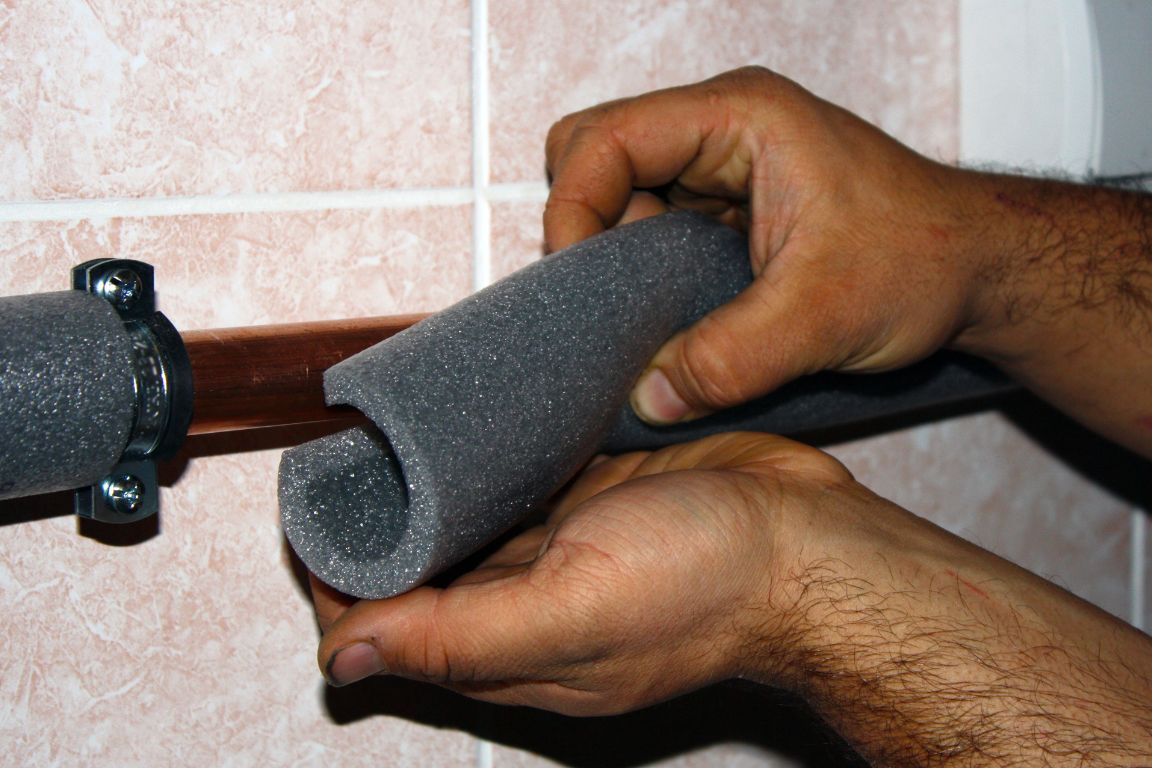
You’ve read all about frozen pipes- you insulate your water heater pipes and let a sink faucet drip when it’s below freezing. But the pipes in your home aren’t the only ones that can freeze- and those remedies only deal with half your plumbing.
Insulating your pipes and running a faucet helps keep incoming water line pipes from freezing. But it doesn’t protect your sewer pipes- especially the ones underground.
Learning how to identify and mitigate freeze damage to your home’s sewer system is a totally different subject. And catching the warning signs early can save thousands in costly repairs.
3 Most Common Sewer Issues Caused By Freezing Events
Most sewer line damage caused by freezing events isn’t due to frozen pipes. It’s caused by the shrinking and swelling of the soil surrounding your home’s underground sewer line.
Here are the three most common sewer repair problems that freezing events cause at home:
Sewer Pipe Separations Near The Foundation

Your sewer main “breaks the surface” near the foundation of your home to meet the sewer pipes leaving your house. When it does, it’s exposed to the frozen soil above the frost line.
This is called the “shear point” of your sewer line- and for good reason. As the frozen ground begins to thaw, it expands around the pipe. This can place up to 10,000 pounds per square foot of pressure directly on the pipe- enough to break pipes and separate joints.
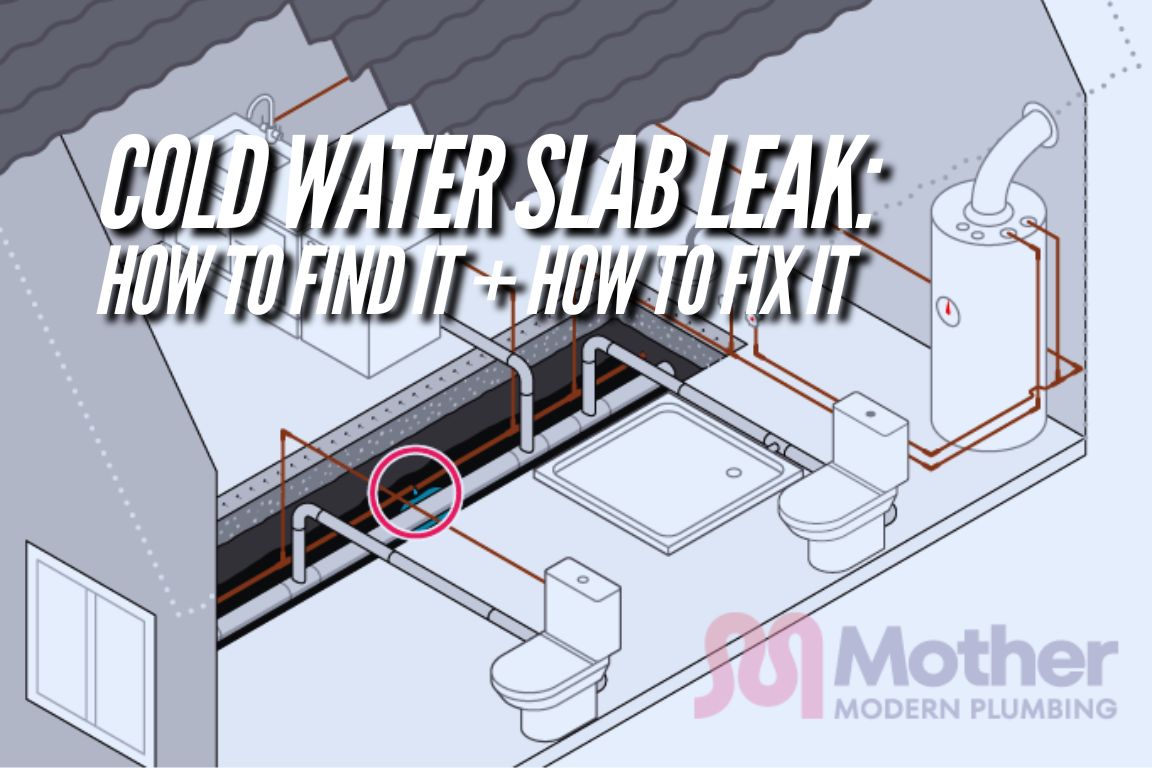
If your home sits on a slab-on-grade foundation, you’re particularly susceptible to “shear point” damage after a freeze. Your sewer line runs underneath the slab- as the ground thaws, it becomes trapped between the rigid concrete slab and the swelling soil.
This makes it difficult for many homeowners to tell the difference between a sewer break and a slab leak.
Sewer Line Belly After Ground Thaw
Clay soil behaves a lot like rubber when it’s exposed to freezing temperatures. It shrinks rapidly, leaving empty pockets and voids in your yard- especially around underground plumbing lines.
When the ground thaws, the pipe settles into these pockets and begins to sag. These sewer bellies lead to long-term pipe damage and issues with your drains inside the home- especially in your shower and sinks.
Slow Drains and Sewage Backups After Freezing
Whether you have a sewer belly, a joint separation or internal sewer line damage, you’ll notice its effects inside your home within a few days.
Slow drains, gurgling drains and sewage backups in your bathroom are telltale signs of sewer pipe damage after a cold snap. It can take up to two weeks for these symptoms to manifest- they begin as the ground begins to thaw, not during the freeze itself.
Top 10 Signs of a Broken Sewer Line After a Freeze

Even though your sewer main is buried several feet underground, the warning signs of a broken sewer line are pretty easy to notice.
If you see, hear or smell any of these symptoms within two weeks of a freezing event, call your plumber for a sewer line camera inspection or electronic leak detection.
Symptoms inside your home
- Sewage backup in your shower, sink or floor drain. This isn’t just gross to see- it’s an urgent indicator of a sewer line break or clog.
- A “clog” that can’t be snaked or removed. If it happens within 2 weeks of a freeze, it’s probably not a clog at all.
- Extremely slow drains. Don’t ignore a slow drain post-freeze! It’s a common sign of backups, separations and bellied sewer lines.
- Pests near floor drains or under the sink. Pests collecting near drains indicate sewage isn’t properly moving away from the house.
- Sewage odors throughout the house. Another surefire sign that wastewater is blocked or backing up towards your drains.
- Gurgling from a single drain. A gurgling sink or toilet means the flow of wastewater away from your house is interrupted.
{{fast-plumbing-answers-gurgling-sound-from-sink="/blogs/fast-plumbing-answers-gurgling-sound-from-sink"}}
Symptoms outside the house
- New cracks in walkways near the sewer line. If the walkways above your sewer line shift and crack, the same stress is magnified underground.
- New cracks in your slab foundation. Be especially wary of a damp crack in your slab. If it remains damp long after the ground thaws, there’s a potential leak.
- Sewer smell in your backyard. Your sewer main is leaking wastewater into the soil underneath your yard.
- Soggy spots that won’t dry post-thaw. Pooling water and soggy, lush areas in your backyard indicate an underground leak. (If they smell bad, it’s your sewer.)
{{fast-plumbing-answers-wet-spots-in-yard="/blogs/fast-plumbing-answers-wet-spots-in-yard"}}
Answering Your Questions About Sewer Line Freeze Damage
Freezing events have increased over the last 20 years in Dallas-Fort Worth (where we live and work). The number of sewer repair calls we’ve received after freezes increases year-over-year- and so has our customers’ list of questions.
Our Master Plumbers answered the five most frequently asked questions about freeze damage, frozen pipes and the effects of cold temperatures on sewer lines.
How deep should my sewer line be buried to avoid frost?
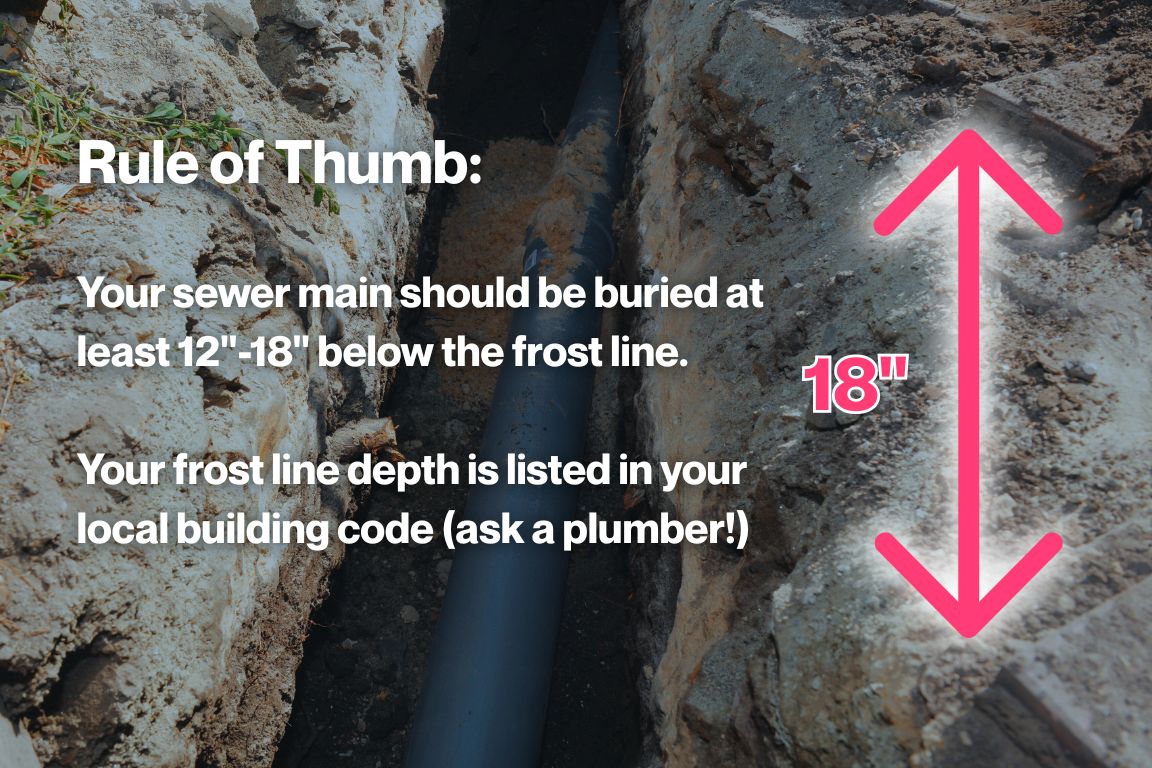
Bury your sewer line at least 12”-18” below the frost line established in your local code. Local frost line depth varies greatly based on location. In Dallas, the frost line is only 6 inches deep- in New York City, the building code sets the frost line at 4 feet deep.
If you live in a particularly cold climate, bury your sewer line 18” below the frost line.
Does frost heave affect PVC pipes the same as old pipes?
No. Older cast iron and clay pipes are far more susceptible to frost heave. Cast iron is heavy and easily corroded from the inside, while clay is simply a brittle, inadvisable sewer line material.
PVC sewer pipes are more flexible than older pipe materials and perform better in freezing events- but they’re not perfect. Most PVC sewer breaks occur during a ground thaw- the extra pressure of expanding soil causes joint separations as it pulls your pipe in opposite directions.
Do I need to worry about cast iron pipes in freezing temperatures?
Yes. Cast iron sewer lines are particularly vulnerable to internal corrosion and damage- they don’t perform well against acidic wastewater and internal ice. Standing water in a cast iron pipe can freeze as the pipe approaches the frost line- this leads to degradation and breaks.
In general, you should worry about existing cast iron sewer pipes at all times. Cast iron hasn’t been used since around 1980- with an intended lifespan of 50 years, every cast iron sewer pipe is at its expiration date.
{{how-long-do-sewer-lines-last="/blogs/how-long-do-sewer-lines-last"}}
Should I send boiling water down the drain during a freeze?
No, don’t do this- especially if you have PVC or Schedule 40 PVC sewer pipes. Any section of the pipe that’s been frozen will crack when exposed to boiling water. You aren’t “thawing out your sewer line”- you’re just risking a pipe break.
Is a broken sewer line covered by homeowners insurance if it was caused by the weather?
It depends. If the weight of ice and snow breaks a pipe, this is often covered. However, as most freeze damage to underground sewer lines is caused by shifting and settling soil, this isn’t covered by standard homeowners insurance.
If you’re concerned about the weather’s impact on your existing sewer line, ask your insurance provide about optional riders and add-ons to your standard policy that address these events.
{{are-broken-sewer-pipes-covered-by-insurance="/blogs/are-broken-sewer-pipes-covered-by-insurance"}}
Your Sewer Lines Can Freeze- Even in Dallas-Fort Worth
It’s possible for buried sewer lines to freeze during extremely cold weather. But a majority of the damage to sewer lines in winter is caused by frost heave- the shrinking and swelling of the soil that surrounds your pipe.
You should insulate your indoor pipes and leave a faucet dripping during a freezing event. But this only protects the pipes inside your home. If you notice sewage backup, slow drains or a damp crack in your foundation within 2 weeks of a freeze, schedule yard leak detection service with an experienced plumber.
Mother Modern Plumbing provides electronic leak detection and sewer line camera inspection to find sewer leaks with pinpoint accuracy- all without digging a single hole. Then, we provide the single best solution to your issue. Whether it’s a simple spot repair or a partial pipe replacement, we’ll get your home sewer system up and running ASAP.
Suspect a broken sewer line in Dallas? Call Mother 24/7- we’re always here to answer your call and give you priority scheduling.
{{sewer-line-repair-and-replacement="/services/sewer-line-repair-and-replacement"}}