Fast Plumbing Answers: What Can You Pour Down the Sink?
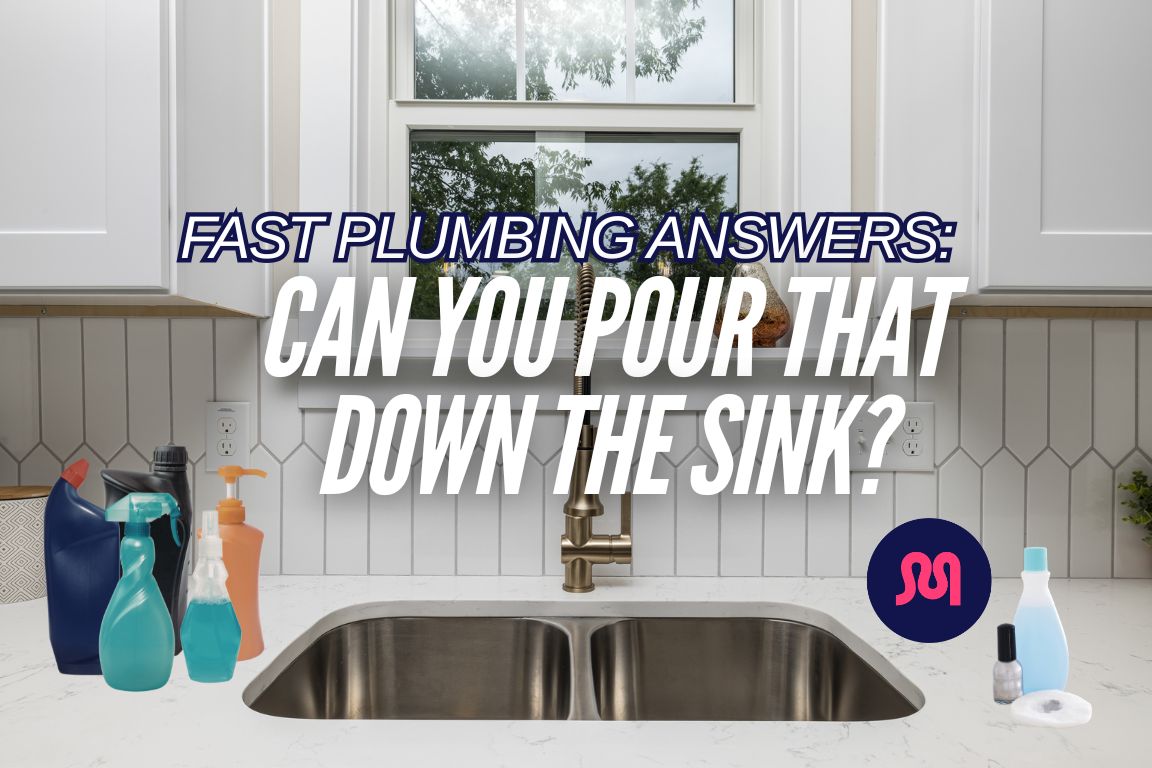


table of contents
table of contents
You just poured bacon grease down the sink. Five seconds later, you're standing there wondering: "Was I supposed to do that?"
You know oil is bad for drains - everyone says that - but what about milk? Vinegar? Nail polish remover? Coffee grounds seem harmless, but are they? And is bleach actually safe, or does it damage pipes?
Don’t worry: we’ll answer all your questions in 3 minutes or less.
Most homeowners don't know what's safe to pour down the sink and what will cause problems. Here's the definitive answer to every question we get asked about what can (and can't) go down your drain.
Need drain cleaning in Dallas? Call Mother 24/7 for safe, effective service that clears clogs without chemicals.
{{drain-cleaning="/services/drain-cleaning"}}
Food and Beverage: Can You Pour These Down the Drain?
Most kitchen drain clogs come from food and cooking byproducts that seem harmless but cause serious problems once they're in your pipes. Here's what you need to know.
{{fast-plumbing-answers-clear-a-kitchen-drain-clog="/blogs/fast-plumbing-answers-clear-a-kitchen-drain-clog"}}
Can Coffee Grounds Go Down the Sink?

NO. Coffee grounds don't dissolve in water. They clump together and settle in your drain pipe, creating a sludge that traps grease and other debris. Over time, this builds into a solid blockage.
Why people think they can: Many online forums call coffee grounds a “DIY hack” for garbage disposals- they’re not. Compost them instead.
“They don’t rinse away,” our Master Plumbers say. “They’re just mud in your drain pipe.”
Can You Pour Olive Oil Down the Sink?
NO. Olive oil coats the inside of your drain pipes and solidifies as it cools. It creates a sticky surface that traps food particles and builds up into a grease clog.
Why people think they can: It's a liquid at room temperature and seems less harmful than bacon grease. It's not. All oils cause the same problem.
Can I Pour Vinegar Down the Sink?
YES... Vinegar is safe to pour down your sink in normal household amounts. It won't harm your pipes or create clogs.
But not with baking soda: Vinegar mixed with baking soda doesn't clean drains effectively, despite what the internet says. It creates a fizzy little show, but doesn't actually do anything.
“Baking soda and vinegar do not clear grease clogs,” our Master Plumbers assert. “Full stop.”
Can You Pour Bacon Grease Down the Sink?
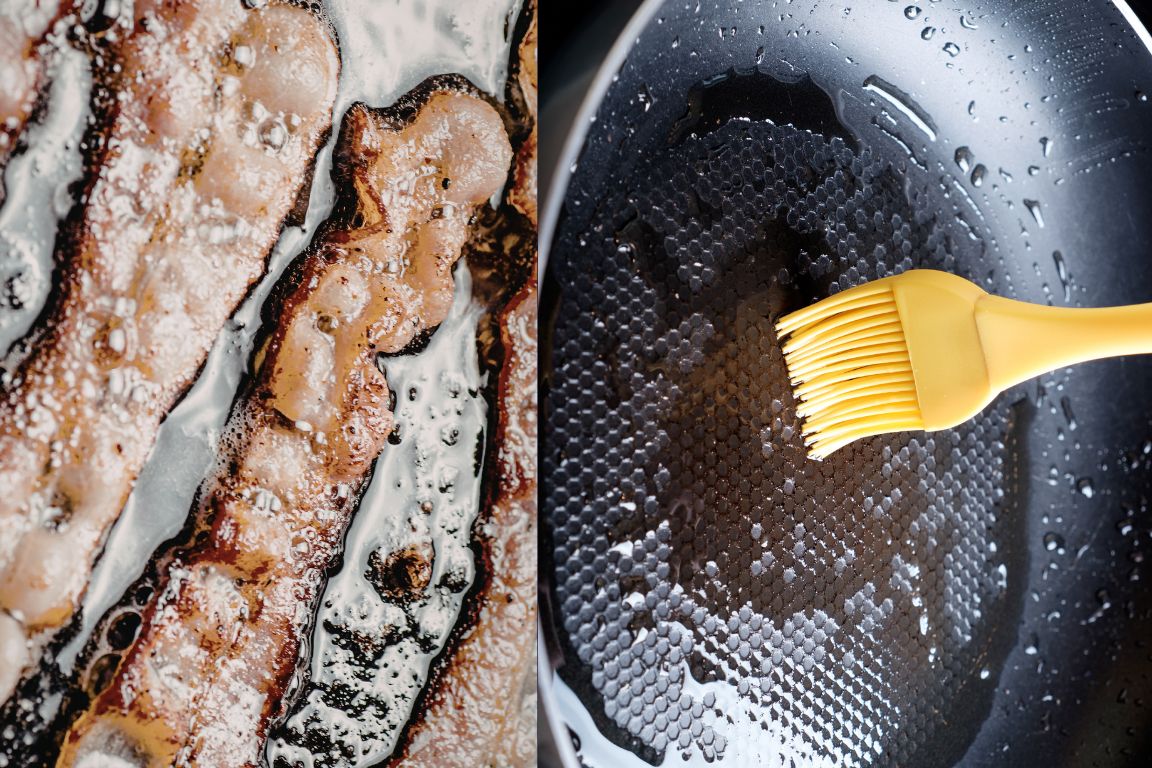
NO. Bacon grease is the worst offender. It's liquid when hot but solidifies into a waxy coating inside your pipes as it cools. This coating narrows your pipe opening and traps food debris, creating persistent clogs.
Our data shows grease and fat are the #1 cause of drain clogs in Dallas-Fort Worth- and it’s not a close race.
Why people think they can: It flows down the drain easily when you pour it. By the time it solidifies and causes problems, you've forgotten you poured it.
{{are-fats-oil-and-grease-fogs-ruining-your-drains="/blogs/are-fats-oil-and-grease-fogs-ruining-your-drains"}}
Can I Pour Beef Fat Down the Sink?
NO. Beef fat behaves exactly like bacon grease - liquid when hot, solid when cool. It coats your pipes and creates grease clogs that require professional cleaning to remove.
Why people think they can: Cooking oils and fats seem like they'd wash away with hot water. They don't. The fat re-solidifies a few feet down your drain line.
Can I Put Egg Down the Sink?
NO. Raw egg whites stick to the inside of pipes and create a film that traps other debris. Eggshells are also problematic- they don't break down and create catch points in your drain line.
Why people think they can: Eggs rinse off plates easily and seem to disappear down the drain. The residue stays behind and builds up over time.
Can I Pour Milk Down the Sink?
In small amounts. Rinsing a bit of leftover milk down the sink is fine. Pouring large quantities (like an expired gallon) creates problems - milk contains fats that can coat pipes, and it sours and smells terrible as it sits in your drain.
“Spoiled milk smells bad now,” our plumbers explain. “How bad will it smell two weeks from now when it’s stuck in your drain pipe?”
Best practice: Trash it in a sealable container, or compost it in small quantities.
{{fast-plumbing-answers-why-does-my-sink-drain-smell="/blogs/fast-plumbing-answers-why-does-my-sink-drain-smell"}}
A Special Note About Boiling Water
YES, normally. Boiling water is safe to pour down your sink under normal conditions. It won't damage PVC pipes or harm your drain.
Exception: Never pour boiling water down your sink in winter or freezing temperatures, especially if your pipes run through exterior walls or unheated spaces. The sudden temperature change can crack cold PVC pipes. Also, don't pour boiling water down frozen pipes to thaw them - it causes the same cracking problem.
Protecting Your Bathroom Sink

Bathroom sinks see different substances than kitchen sinks - mostly chemicals and beauty products. Here's what's safe and what damages your plumbing.
Is your bathroom sink gurgling? That’s a sign of a deeper issue- read more.
{{fast-plumbing-answers-gurgling-sound-from-sink="/blogs/fast-plumbing-answers-gurgling-sound-from-sink"}}
Can You Pour Acetone Down the Sink?
NO. Acetone is a solvent that damages PVC pipes and pipe seals. It also creates toxic fumes when mixed with other chemicals in your drain and poses environmental risks when it enters the water system.
Why people think they can: It's liquid and goes down the drain easily. But it's a harsh chemical that doesn't belong in your plumbing.
Can You Pour Isopropyl Alcohol Down the Sink?
YES, but ONLY in small amounts. Rinsing small amounts of isopropyl alcohol (rubbing alcohol) down the sink is generally safe. Large quantities are wasteful and potentially harmful to your septic system if you have one.
Better option: Use it up for its intended purpose or dispose of large amounts at a hazardous waste facility.
Can I Put Nail Polish Remover Down the Sink?
NO. Nail polish remover contains acetone or other solvents that damage pipes and create toxic fumes. It's classified as hazardous waste in many areas.
Why people think they can: It's a common household product that seems harmless. It's not - treat it like the chemical solvent it is.
Can Other Substances Go Down the Sink?
Here are three other common household substances our customers ask about frequently.
Can You Pour Bleach Down the Sink?
DILUTED ONLY. Small amounts of household bleach diluted with running water are safe to pour down your sink. Bleach can corrode metal pipes and damage septic systems in large concentrations, so always run water before, during, and after pouring.
Avoid: Pouring bleach into a drain with standing water or mixing bleach with other cleaners (especially ammonia or acidic cleaners). This creates toxic gas.
{{fast-plumbing-answers-drains-with-standing-water="/blogs/fast-plumbing-answers-drains-with-standing-water"}}
Can You Put Hand Sanitizer Down the Sink?
YES, in small amounts. Hand sanitizer is mostly alcohol and rinses away safely in normal household quantities. Don't pour entire bottles down the drain - it's wasteful and potentially harmful to septic systems.
Better option: Use it up or give it away if you have excess.
Can I Wash Paint Down the Sink?
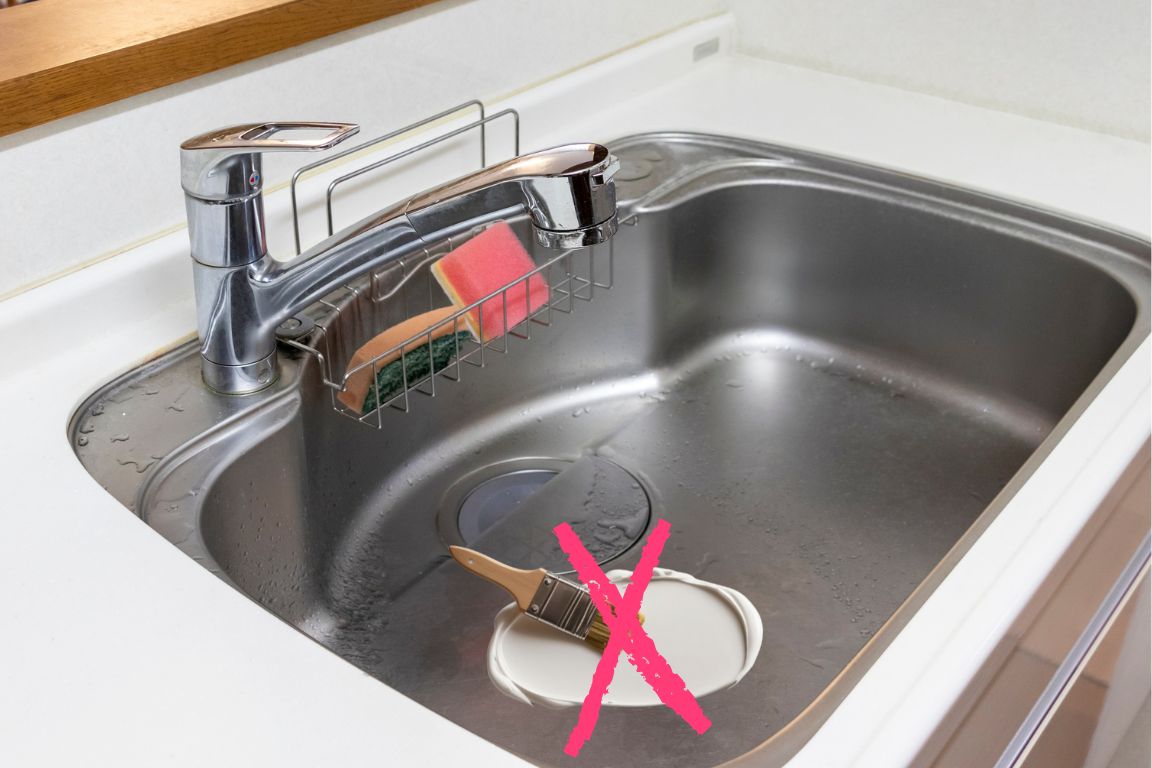
NEVER. Latex paint, oil-based paint, and paint thinners should never go down your sink. They damage pipes, contaminate water systems, and are illegal to dispose of this way in most areas. Paint hardens in your drain line and creates blockages that require professional removal.
“Dried paint in your drain line is never a DIY fix,” our plumbers say. “You’re going to pay for sewer cleaning.”
Why people think they can: Rinsing brushes in the sink seems easier than proper disposal. It's also illegal in most municipalities as it causes environmental damage.
If You Poured Something Down the Sink You Shouldn't Have
If you've poured grease, paint, coffee grounds, or other problematic substances down your sink and you're dealing with a clog or slow drain, here's what to do.
Don't use chemical drain cleaners. Drano and similar products don't work on grease or paint clogs, and they create health hazards if they splash back while you're trying to clear the drain.
Have a grease clog? Enzyme drain cleaners can help break down residual buildup after the main blockage is cleared, preventing quick re-clogging.
{{best-drain-cleaner-for-grease-buildup="/blogs/best-drain-cleaner-for-grease-buildup"}}
Call a plumber for professional drain cleaning. A plumber will run a camera through your drain to locate the blockage, then clear it with hydro jetting or mechanical snaking. Hydro jetting uses high-pressure water to blast grease, paint residue, and debris out of your pipes completely - not just poke a hole through it.
Choose a plumber who backs up their work. At Mother, we provide a 120-Day No Clogs Guarantee with every drain cleaning service.
Need Your Dallas Sink Cleared? Call Mother

Many liquids are safe to pour down your sink in small amounts- water, dish soap, diluted bleach, vinegar, and isopropyl alcohol. But grease, oils, fats, coffee grounds, eggs, paint, acetone, and nail polish remover all damage your pipes or create clogs.
When in doubt, don’t pour it down your drain. Throw it out in the trash or at a hazardous waste facility. The few seconds you save aren't worth the cost of clearing a clogged drain or replacing damaged pipes.
If you've already poured something problematic down your sink and you're dealing with a slow drain or backup, call a plumber. They'll clear the clog safely and get your drain flowing normally again.
Dealing with a clogged drain in Dallas-Fort Worth? Call Mother 24/7 for professional drain cleaning with a 120-Day No Clogs Guarantee.
{{drain-cleaning="/services/drain-cleaning"}}