.svg)
Here’s How Long Your Water Heater Should Last
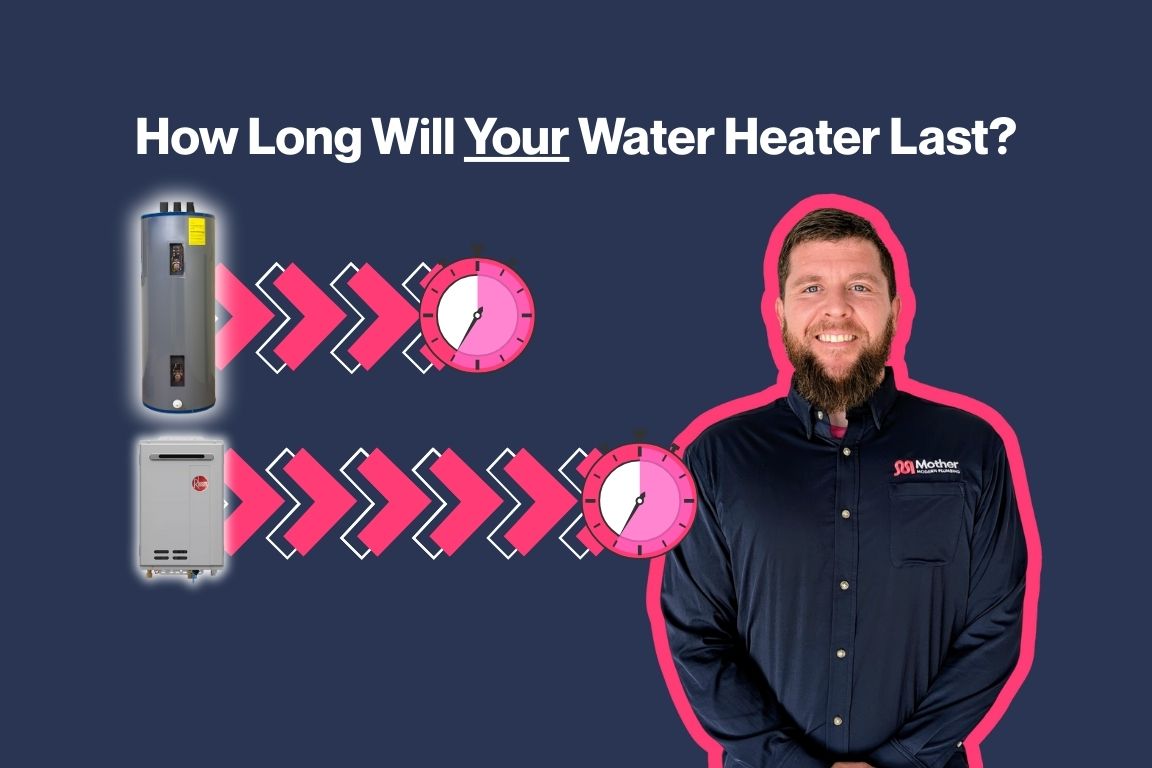


table of contents
table of contents
You’re reading this article for one of two reasons. You’re shopping for a new water heater and want to compare life expectancy of different types. Or your water heater’s acting up, and you’re concerned it’s reaching the end of its lifespan.
As a Dallas-Fort Worth plumbing service, Mother knows firsthand how hard water and lack of maintenance shorten the lifespan of your water heater. We guide our customers through choosing between conventional and tankless systems, then establish smart maintenance routines to ensure they last as long as possible.
Expect your tank water heater to last 8-12 years with proper maintenance, while tankless units last 15-20 years or more with annual descaling. We’ll cover the average life expectancy of various water heater products in this article, plus the driving factors that shorten or extend their lifespan.
Need a replacement water heater in Dallas? Call Mother 24/7- we’re always here to answer your call and provide the first available appointment.
{{water-heater-installation="/services/water-heater-installation"}}
Here’s How Long Most Water Heaters Last
Conventional water heaters last 8-12 years in ideal circumstances, with some electric units “living” up to 14 years. Natural gas tankless units last 20+ years with proper maintenance, while electric tankless systems generally last 15-20 years.
TABLE: Water heater lifespan in ideal conditions
The issue here is simple: very few people live in ideal conditions. There’s always something preventing your water heater from optimal performance- it’s difficult to take an “average product lifespan” at face value.
Did your tank just fail? Use our simple guide to navigate the first 10 minutes of a burst water heater in your home.
The problem with “average” water heater lifespans
These water heater lifespan averages assume a lot of things:
- Low to moderate water hardness
- Annual maintenance with regular flushes and descaling
- Stable environment with no major temperature spikes or dips
- A perfect surrounding plumbing system
We certainly don’t live in these conditions in Dallas-Fort Worth. Water heaters here are challenged by extremely hard water, a mix of brutal heat and occasional winter freezes.
And we’re all getting busier each year- so homeowners can easily miss an annual flush, or ignore warning signs until major repairs are needed.
When everything’s running smoothly, your water heater reaches its intended lifespan without much issue. But a problem with just one of these categories shaves years off that projection.
4 Variables That Change Your Water Heater’s Life Expectancy
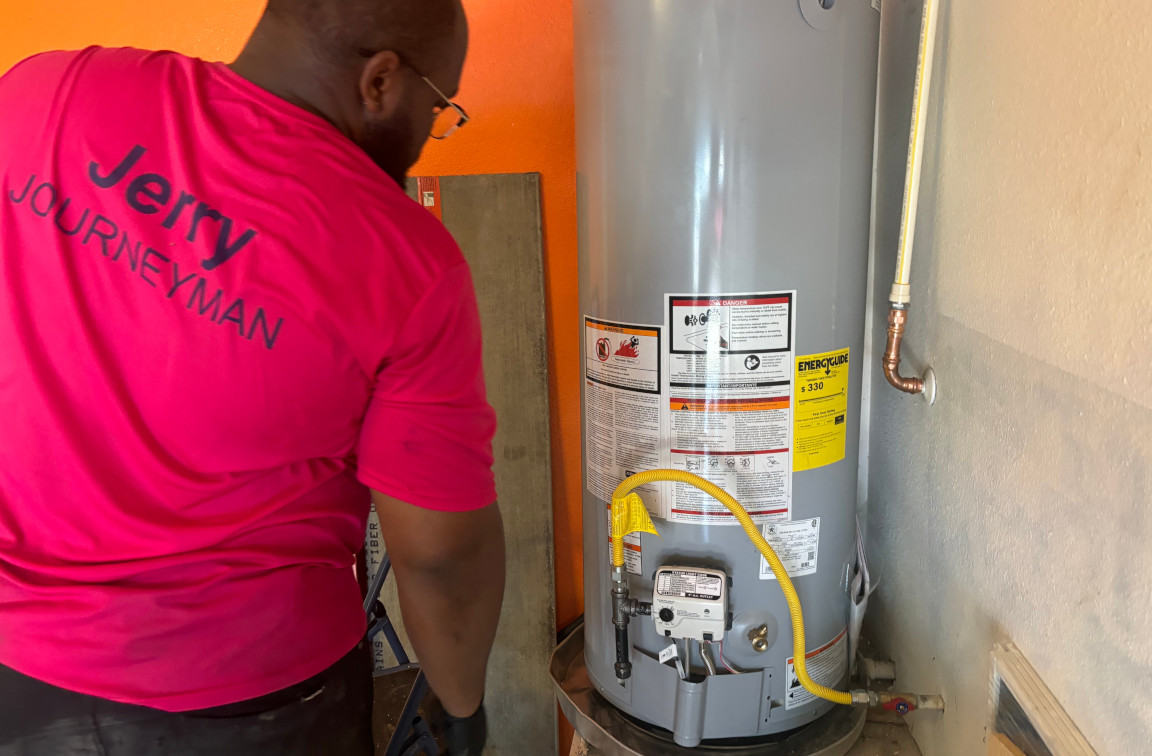
Four major variables increase or decrease the lifespan of your home’s water heater:
- The hardness of your incoming water supply
- The frequency of your flushing and/or descaling maintenance
- The health of your internal components
- The water heater’s exposure to extreme heat or cold
TABLE: How variables impact your water heater’s lifespan
*In tank units, this includes the T&P valve, heating element, anode rod and internal tank walls. In tankless units, this includes the PRV, heating element and burner assembly.
Hard water is the #1 killer of water heaters
Nothing destroys a water heater- conventional or tankless- like hard water. Water hardness is measured by the amount of calcium and magnesium in the water supply.
In regions rich with sedimentary rock like limestone, these hardness minerals leach into the water and build up in water-using appliances like water heaters.
“Anywhere you go in DFW, scale buildup is the #1 cause of plumbing repairs. It's a water heater killer,” says our Responsible Master Plumber Steven Smith.
Heated water allows calcium and magnesium to separate from the water and settle on all the vital internal components of your system. It corrodes tanks, crusts over heating elements, causes stuck valves, and makes your system work overtime to heat up the water you need.
Without flushing or descaling your water heater, this process goes unchecked- and it takes an average of 4 years off the lifespan of your system.
Why is Dallas water so hard? Learn more about the chemistry behind hard water in our region.
{{why-does-dallas-have-hard-water="/blogs/why-does-dallas-have-hard-water"}}
Flushing your water heater every year is non-negotiable
Removing hard minerals and sediment from your water heater is the single most important maintenance task- make sure to schedule it annually to prevent scale buildup from killing your water heater.
For conventional water heaters, flush your tank once a year. Tankless water heaters require descaling once a year to achieve the same results. If you live in a region with extremely hard water, consider scheduling this service once every 8-9 months to limit scale damage.
{{your-easy-tankless-water-heater-maintenance-checklist="/blogs/your-easy-tankless-water-heater-maintenance-checklist"}}
Other “must have” annual maintenance tasks
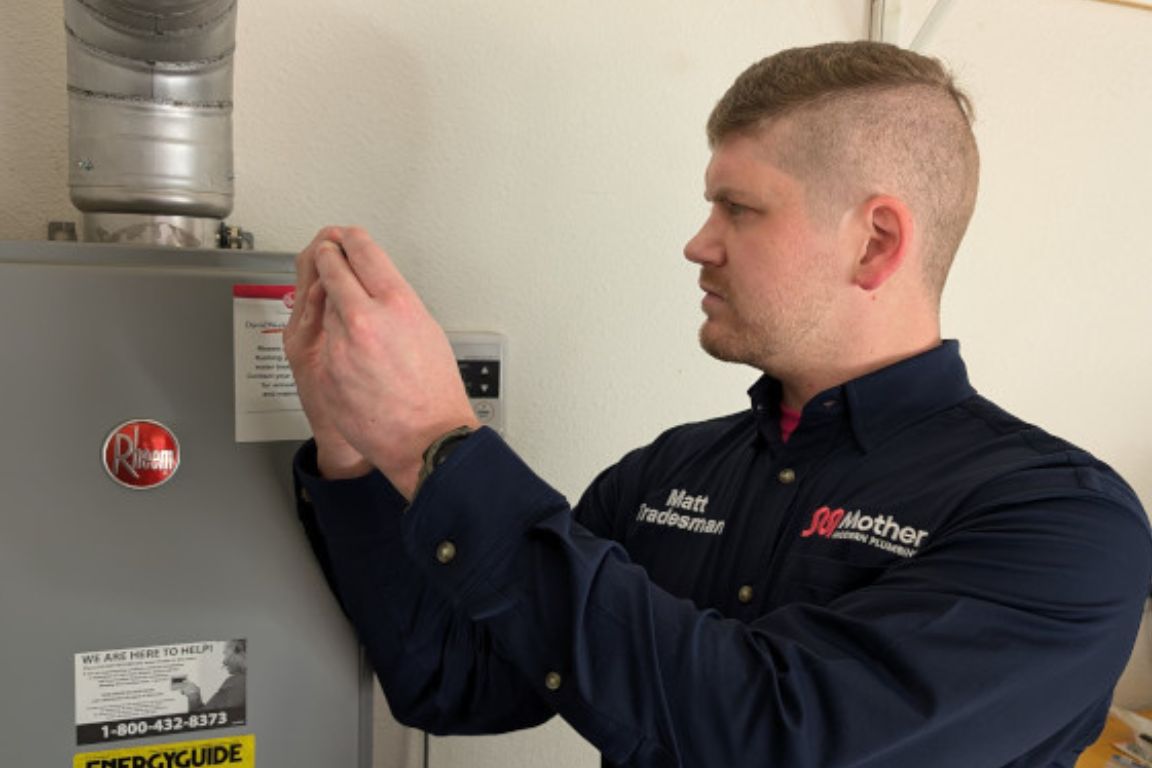
Ask your plumber to check the pressure relief valves on your water heater for proper function. Your water heater tank has a T&P (temperature & pressure) valve, and your tankless has a pressure relief valve (PRV).
These valves open to relieve excessive heat and water pressure inside your system. If they’re stuck open or closed, your water heater cannot regulate itself properly- this leads to costly repairs and early failure.
If you own a conventional water heater, pay close attention to the anode rod. It’s the “canary in the coal mine” for your water heater- often the first sign of major scaling and sediment buildup issues, even before rumbling or popping noises.
Does your water heater smell awful? Anode rod failure makes your water heater stink- get the quick fix in 3 minutes or less!
{{fast-plumbing-answers-why-does-my-water-heater-stink="/blogs/fast-plumbing-answers-why-does-my-water-heater-stink"}}
How heat and cold impact your water heater’s longevity
Dallas experiences 100+ days of 100°F temperatures each year. Don’t just think about the heat- think about what happens when trapped heat sticks around in your attic or garage. These spaces easily get 30-35°F hotter than exterior temps- and they’re where your water heater lives.
Frequent extreme freezing temperatures have the inverse effect on these poorly insulated spaces. The added work needed to heat water during a freezing event in your uninsulated garage places intense strain on your system.
Routine exposure to high heat and bitter cold reduces the lifespan of an average water heater by 2 or 3 years. Be sure to insulate the pipes leading to your water heater in cold regions, and provide adequate ventilation around the unit in very hot climates.
Why Water Heaters Die Faster in Dallas-Fort Worth

Let’s compare the average lifespan of water heaters in Dallas-Fort Worth against the national average:
TABLE: Water heater lifespan in Dallas-Fort Worth
Why Dallas water heaters fail faster
So why do water heaters “live” 3-5 years shorter in Dallas than the same devices in other parts of the country?
The DFW Metroplex (and North Texas as a whole) battles with three “water heater killers”:
- Extremely Hard Water: DFW water is packed with calcium and magnesium. This sediment settles at the bottom of your tank and acts as an insulator, forcing the burner to overheat the tank wall to get the water hot.
- Brutally Hot Summers: Most DFW heaters are in attics or garages. When it’s 105°F outside, your attic is 140°F+. This extreme ambient heat stresses the external components and accelerates the expansion/contraction cycle of the steel tank.
- Aging Infrastructure: In communities like Lakewood or University Park, aging service lines can introduce more sediment into your heater than in newer developments.
7 Questions You’re Asking About Water Heater Lifespan
We polled our customers for “real-world” questions about the life expectancy of their home water heater systems. Here’s what they asked us- and how our plumbers answered.
Do electric water heaters last longer than gas units?
It depends if you’re talking about tank or tankless units. Nationally, electric conventional water heaters last 1-2 years longer than gas systems (this doesn’t apply in hard water regions). But electric tankless units don’t have any longevity advantages over natural gas systems.
Can a water heater last 20 years?
A tank? No. You’ll need perfect maintenance, soft water, no other plumbing incidences, and temperate weather- plus a lot of luck. Natural gas tankless water heaters routinely last 20+ years with regular maintenance and descaling.
Does a water softening system help a water heater last longer?
Absolutely. Softening your incoming water supply reduces strain and scale buildup inside your water heater. If you don’t care about hard water in the rest of your home, you can install a point-of-use softener specifically for your water heater.
What’s the first component to go on water heater tanks?
The anode rod is often the first thing to do on a conventional water heater. If you smell rotten eggs or a sulfur stench around the tank, your anode rod is likely shot.
How long can my water heater last without flushing or descaling?
Not long. Not flushing or descaling your water heater is like never changing the filter in your car. Eventually, the gunk’s going to destroy it from the inside. Going 2-3 years without flushing takes 3-4 years off your water heater’s lifespan. But you’re going to face major repairs or total system failure long before that happens.
Should I switch to a tankless water heater for a longer lifespan?
Tankless water heaters do generally last far longer than tanks with proper maintenance. But we only recommend switching to tankless systems for homeowners that live in natural gas or liquid propane powered homes. Electric tankless units require a huge, costly upgrade to your electrical panel that makes long-term savings impossible.
{{replacing-water-heater-with-tankless="/blogs/replacing-water-heater-with-tankless"}}
What water heater maintenance tasks are “non-negotiable” for a long lifespan?
For conventional water heaters: annual flushing, T&P valve check and regular visual inspection for leaks and corrosion. Change the anode rod every 3-4 years.
For tankless water heaters: annual descaling, PRV testing, and condensate trap cleaning on condensing units. Clean your inlet filter every six months, and visually inspect regularly.
Set Your New Water Heater Up for Success With Mother

If you’re starting your journey with a new water heater, trust experienced local plumbers who understand how your region’s water hardness and temperatures impact your system. Work with them to establish a smart maintenance routine to maximize your water heater’s lifespan.
Annual water heater maintenance ensures your system reaches its intended lifespan. The most vital maintenance task for conventional water heaters is yearly flushing of the system. For tankless units, descaling is important to remove scale buildup from internal components.
Dallas-Fort Worth residents trust Mother for water heater service based on tech-driven maintenance and smart product selection. We’ll set your new tank or tankless unit up for long-term success- and plenty of hot water, whenever you need it.
Need a new water heater in Dallas? We’re here 24/7- call Mother for prompt scheduling and expert product selection and installation guidance.
{{water-heater-installation="/services/water-heater-installation"}}