Fast Plumbing Answers: Water Heater Is Not Getting Hot


table of contents
table of contents
Your water heater stopped doing its one job: heating water. You turn on the shower and the water stays ice cold. The dishwasher won't clean dishes properly. Your washing machine is running freezing cycles. You need answers- and you need hot water back now.
Don't worry: we'll answer all your questions in 3 minutes or less.
At Mother, we diagnose cold water problems daily throughout Dallas-Fort Worth. When your conventional water heater stops producing hot water, it's usually one of three issues: your power supply or pilot light has failed, sediment buildup is insulating your heating element from the water, or your thermostat has stopped working.
Need water heater service in Dallas? Call Mother 24/7- we'll have a licensed plumber at your home ASAP.
{{water-heater-repair="/services/water-heater-repair"}}
Your Power Source Has Failed- Check the Breaker or Pilot Light
The #1 reason your water heater stops producing hot water is the simplest: the power source has been interrupted. For electric water heaters, this means a tripped circuit breaker. For gas water heaters, this means an extinguished pilot light.
"About half the emergency calls we get for 'no hot water' are just tripped breakers or pilot lights that went out," says our Responsible Master Plumber Steven Smith. "It's an easy fix once you know where to look."
The good news: you can solve most of these problems yourself and save the cost of a service call!
For electric water heaters: Check your breaker panel
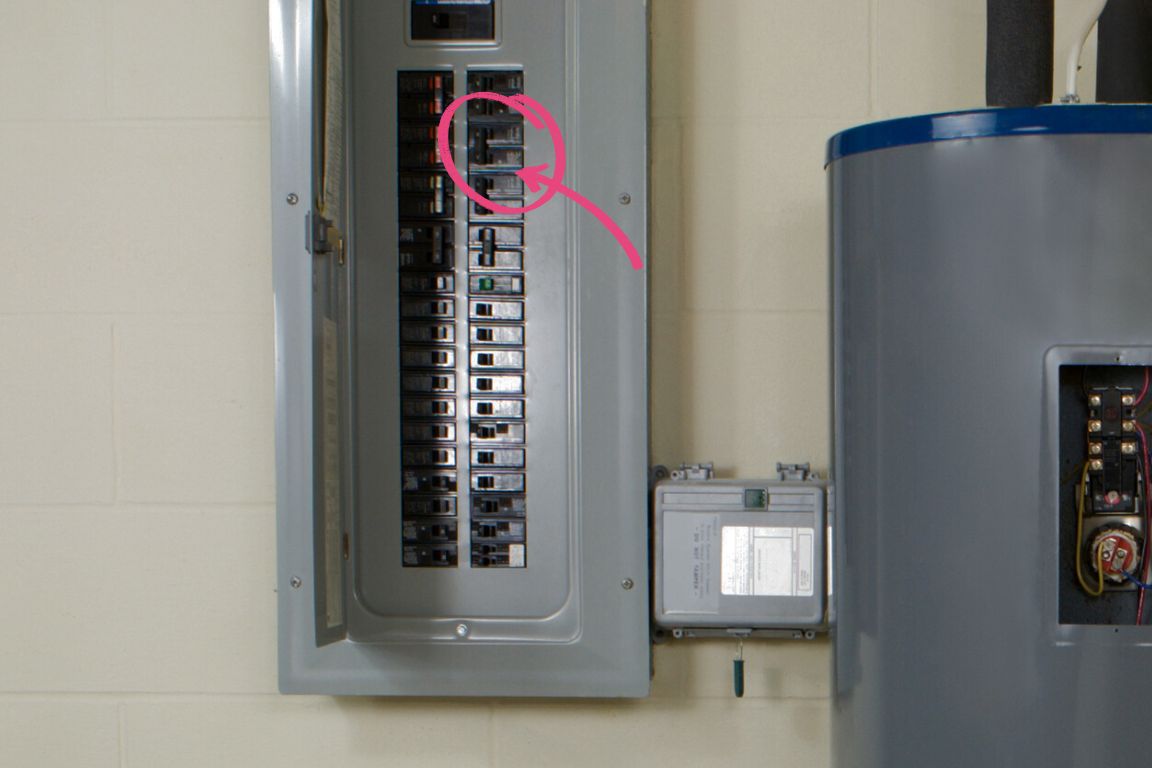
Electric water heaters draw a ton of power and typically have a dedicated 30-amp or 40-amp breaker. This breaker trips due to power surges, electrical storms, or temporary overloads on your home's electrical system.
Walk to your electrical panel and look for a breaker in the "off" position- or sitting between on and off. If your breaker isn’t labeled, look for a breaker that takes up two slots instead of one.
Reset the breaker by switching it fully off, then back on. If this doesn’t work- or if it trips again right away- there’s a problem inside your unit that requires a licensed electrician.
Pro tip: Most electric water heaters have two thermostats- one for each heating element. Make sure they're set at the same temperature while the power's off.
For gas system: Relight your pilot light
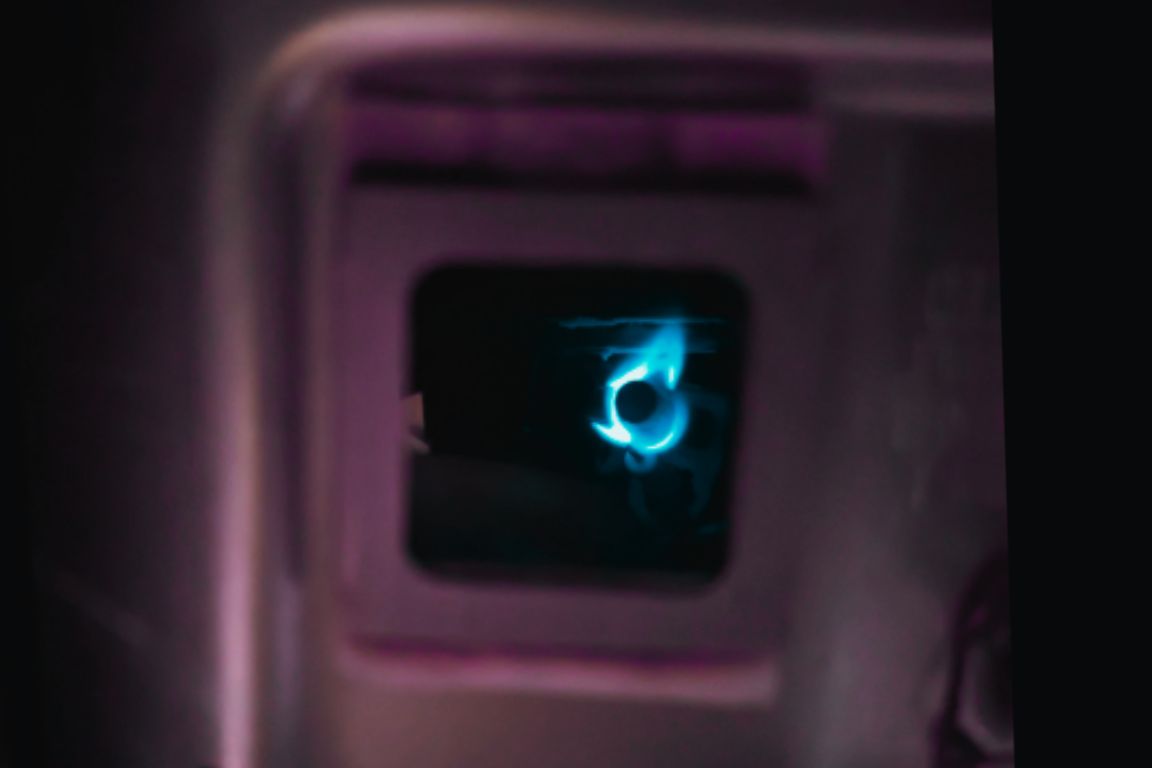
Gas water heaters use a pilot flame to ignite the burner. It can blow out in drafty areas, or due to dirt accumulation on the pilot assembly. (It can also go out during gas supply interruptions, but you’d notice a lack of gas elsewhere in your home.)
There’s a burner access panel on the bottom front of most water heaters. Carefully remove it and look for a small blue flame. If you don’t see one, your pilot’s out. Here’s how you can relight most units:
- Turn the gas valve to "off" and wait 5 minutes
- Turn the valve to "pilot"
- Press and hold the pilot button while lighting the pilot with a long lighter
- Hold for 30-60 seconds, then release
- Turn the valve to "on"
If the pilot won't stay lit after multiple attempts, the thermocouple (a safety device that shuts off gas when no flame is present) has likely failed and needs replacement. Call your plumber to do this.
Own a tankless water heater instead? Learn why your tankless takes forever to deliver hot water and how to fix it.
{{fast-plumbing-answers-tankless-water-heater-takes-forever="/blogs/fast-plumbing-answers-tankless-water-heater-takes-forever"}}
Sediment Buildup Is Insulating Your Heating Element
If your power source is working but you're still getting cold water, sediment buildup around your heating element is the likely culprit. This is particularly common in Dallas-Fort Worth, where hard water creates rapid mineral accumulation.
As minerals settle at the bottom of your tank, they can completely bury your heating element (in electric units) or cover the burner area (in gas units). When this happens, the element or burner heats the sediment instead of the water. The sediment acts as insulation, preventing heat from transferring to the water above it.
This differs from normal sediment problems that cause noise or reduced capacity. Once sediment cakes up around your heating element, you’re not getting any hot water. At best, you’ll take lukewarm showers until the problem is solved. (And you can forget hot water cycles on your washing machine.)
Scale buildup happens fast
In areas with extremely hard water, heavy sediment accumulates in under 2 years without regular maintenance. The minerals don't just settle- they bake onto the heating element, forming a hard, cement-like coating that's nearly impossible to remove without professional equipment.
"I've pulled heating elements that were completely encased in a 2-inch layer of calcified sediment," Steven explains. "At that point, the element couldn't heat anything."
The best solution: Flush the tank and inspect heating components
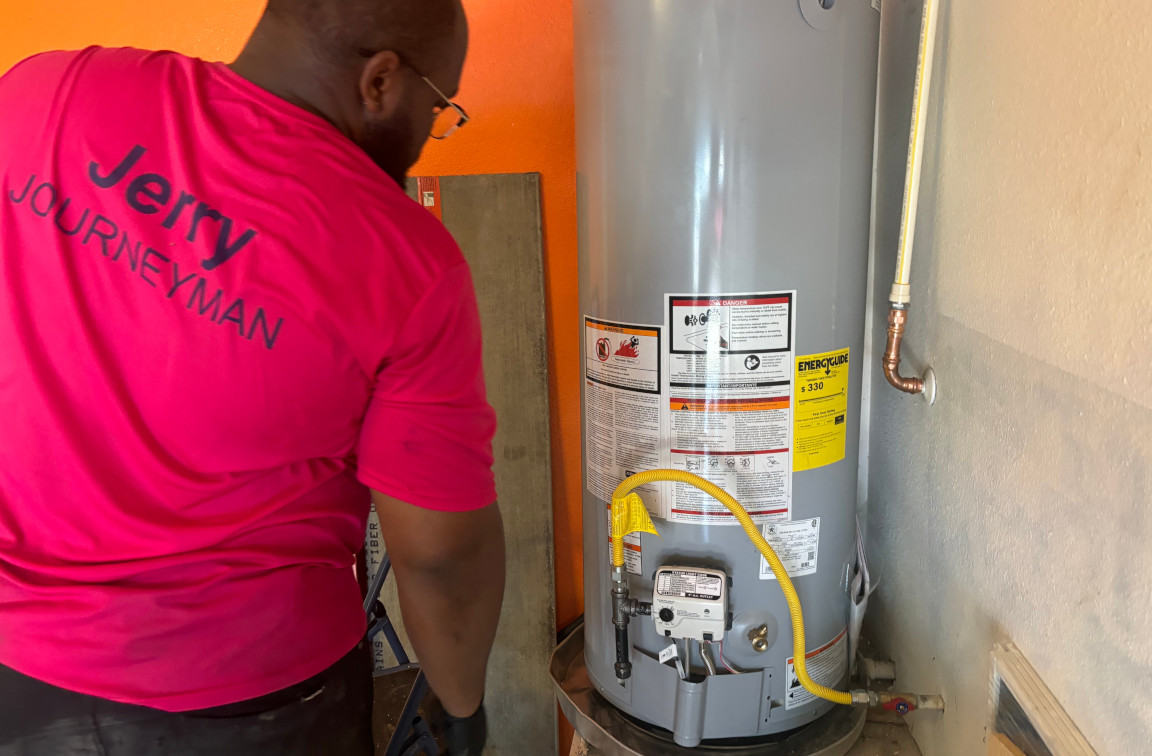
A licensed plumber flushes your water heater to remove sediment, then inspects the heating element or burner assembly. If the sediment has calcified onto these components, they need to be removed, descaled, or replaced.
For electric units, the heating element often requires replacement if the sediment coating has corroded the metal. For gas units, the burner assembly usually just needs thorough cleaning.
Annual tank flushing prevents this problem entirely by removing sediment before it hardens into a heat-blocking barrier.
Prevent sediment problems: Schedule annual water heater flushing to maintain efficiency and extend your tank's lifespan.
Need a water heater flush in Dallas? Call us 24/7- we’re here to answer your call and provide the first available appointment for fast service.
{{water-heater-flush="/services/water-heater-flush"}}
Your Thermostat Has Failed or Is Set Too Low
The third most common reason your water heater stops producing hot water is thermostat failure. The thermostat is the component that senses water temperature and signals your heating element or burner to turn on when the water drops below the set point.
When a thermostat fails, it can't detect that your water is cold, so it never triggers the heating system. You get continuous cold water because your water heater doesn't know it needs to heat anything.
Two thermostat problems to check
Before assuming your thermostat has failed, check these two simple issues:
1. Temperature setting is too low. Someone may have accidentally adjusted your thermostat down to 90°F or lower. Your water heater is "working" but heating water to a temperature that feels cold. Check that your thermostat is set to 120-130°F.
2. Dual thermostat failure (electric only). Electric water heaters have two thermostats: an upper and a lower. If the upper thermostat fails, neither heating element receives power, and you get no hot water at all. This is a common failure mode that looks like a total system shutdown.
The best solution: Test and replace the thermostat
A licensed plumber or electrician tests your thermostat with a multimeter to determine if it's functioning correctly. If the thermostat has failed, replacement is straightforward and restores full hot water production.
For electric water heaters, replacing a thermostat involves shutting off power, removing the access panel, disconnecting the old thermostat, and installing the new one. For gas water heaters, the thermostat is part of the gas valve assembly and typically requires replacing the entire valve.
"Thermostats don't give warning signs- they just stop working," Steven notes. "One day you have hot water, the next day you don't."
Getting hot water but running out too fast? Learn the three reasons your hot water supply doesn't last.
{{fast-plumbing-answers-why-does-my-hot-water-run-out-so-fast="/blogs/fast-plumbing-answers-why-does-my-hot-water-run-out-so-fast"}}
Get Your Hot Water Back- Call Mother Today

When your water heater stops producing hot water, start with the simplest explanation: check your circuit breaker or pilot light. If your power source is working, heavy sediment buildup is likely insulating your heating element from the water. If neither of those is the problem, your thermostat has probably failed.
All three issues have clear solutions. Resetting a breaker or relighting a pilot light takes minutes. Flushing sediment and cleaning or replacing heating components restores full function. Installing a new thermostat brings your system back online.
Don't suffer through cold showers waiting for the problem to fix itself. Mother Modern Plumbing's licensed plumbers diagnose "no hot water" emergencies throughout Dallas-Fort Worth and get your system producing hot water fast.
Water heater not getting hot in Dallas? Give Mother a call 24/7- we'll diagnose the issue and restore your hot water today.
{{water-heater-repair="/services/water-heater-repair"}}