Fast Plumbing Answers: Sewer Smell in Bathroom


table of contents
table of contents
You walk into your guest bathroom and the smell hits you immediately. It's not just stale or musty- it smells like sewage. You open a window, light a candle, check if someone forgot to flush. But the smell doesn't go away. It lingers. And now you're wondering what's wrong and whether it's dangerous.
Don’t worry, we’re Mother a residential plumbing company in DFW, and we’ll answer all your questions in 5 minutes or less.
A persistent sewer smell in the bathroom is gross- but it’s a common call we get at Mother. Try refilling your dry P-trap- past this, don’t DIY. All other causes of that sewer gas stench are hazardous to your health and your plumbing system- leave them to a plumber.
No matter what, you’re dealing with hydrogen sulfide gas. Be careful and ventilate the space.
Smell sewer gas in your Dallas bathroom? Call Mother ASAP- we're here 24/7 to restore your healthy, functional home.
{{drain-cleaning="/services/drain-cleaning"}}
The #1 Reason Your Bathroom Smells Like Sewage
Surprise- it’s not usually your toilet! The most common cause of a persistent sewer smell in your bathroom is a dried-out P-trap under your sink, shower, or floor drain.
The P-trap is that U-shaped pipe under your drain. It holds a small amount of water that acts as a barrier between your bathroom and your sewer line. That water seal blocks sewer gas from coming up through the drain and into your home.
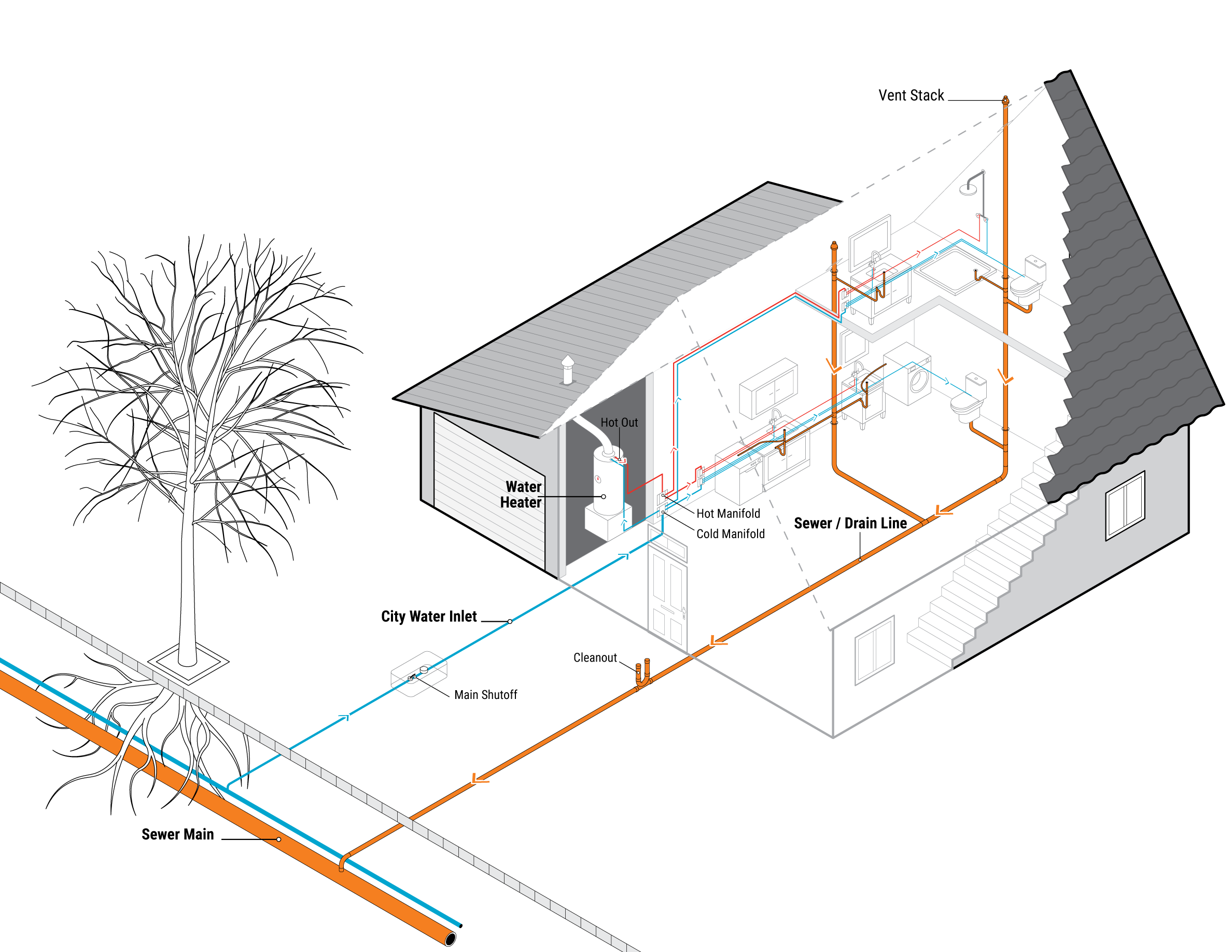
When your system’s working, sewer gasses get vented out above the house. P-traps on every fixture block that smell from coming in your house- until they dry out.
When the P-trap dries out, the seal disappears. Sewer gas flows freely up through the drain and straight into your bathroom. Think of it like a door that's supposed to stay shut- when the water evaporates, the door swings wide open and lets everything through.
The 2 Most Common Ways This Happens
This happens most often in bathrooms that don't get used regularly. Guest bathrooms, half baths in basements, or showers you rarely run- these are the usual suspects. The water in the P-trap evaporates over a few weeks, and suddenly the smell appears.
Water evaporates naturally. In a bathroom you use every day, fresh water constantly flows through the drain and refills the P-trap. But in a bathroom that sits unused for two or three weeks, the water in the trap slowly evaporates. Hot, dry Texas summers speed this up.
Your P-trap also dries out if there's a partial blockage in your vent pipe. Your plumbing vents allow air to flow through your drain system, which ensures proper water flow and keeps your P-trap filled. When a vent gets blocked by debris, a bird's nest, or leaves, it creates a vacuum effect that can suck water out of the P-trap faster than it would normally evaporate.
The Single Best Solution
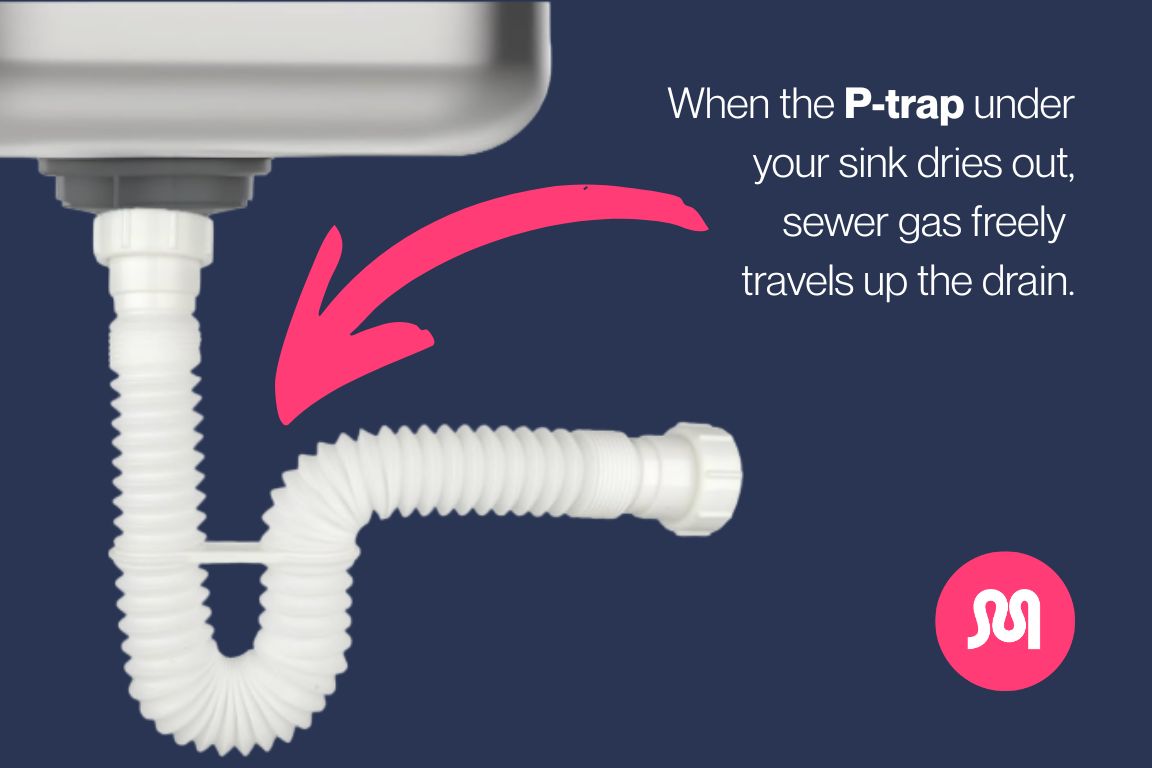
If you suspect a dried P-trap, the immediate fix is simple: run water down the drain for 30-60 seconds. This refills the trap and restores the seal. If the smell goes away and stays away, you solved it.
But if the smell comes back within a few days or a week, you have a bigger issue- either the vent pipe is blocked and pulling water out of the trap too quickly, or there's a deeper problem in your drain or sewer line.
At that point, call a plumber. They'll inspect your vents, check for blockages, and confirm whether the P-trap is functioning correctly.
When the P-Trap Isn't the Problem: Sewer Line Issues
If running water down your drains doesn't fix the smell- or if the smell is coming from multiple drains at once- the issue is likely deeper in your sewer line. A crack, blockage, or backup in your main sewer line allows sewer gas to escape into your home through your drains.
Your sewer line is the main pipe that carries all wastewater out of your home and into the city sewer system or your septic tank. When that line develops a problem, sewer gas doesn't flow out like it should. Instead, it backs up into your home through the path of least resistance- your bathroom drains.
The 3 Most Likely Sewer Line Culprits
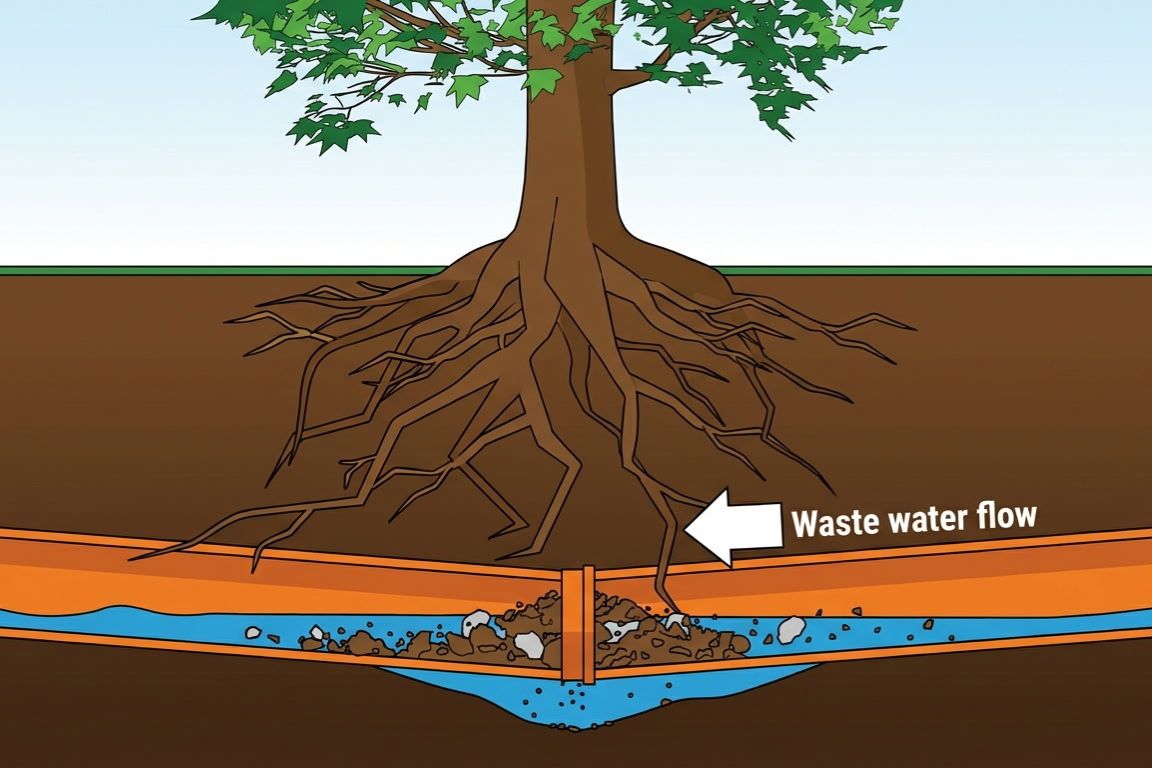
Sewer line problems develop for a few common reasons in Dallas-Fort Worth:
Tree root intrusion is the number one sewer pipe villain. Live oak roots grow aggressively toward water sources. They find tiny cracks in your sewer line, work their way in, and form dense root balls that block the pipe. As the blockage grows, wastewater and sewer gas back up into your drains.
Cracked or collapsed pipes happen in older homes with cast iron or clay sewer lines. Shifting soil- especially the expansive clay soil common in DFW- puts pressure on underground pipes. Over time, the pipe cracks or collapses entirely. Sewer gas escapes through the crack and seeps into your home.
Grease and debris buildup creates partial blockages that trap wastewater in the line. As organic matter sits and decomposes, it releases sewer gas that flows back up through your drains instead of out through your vent pipes.
The Single Best Solution
A sewer line issue requires a plumber with a sewer camera. They'll run a camera through your cleanout (the access point to your main sewer line) to locate the exact problem- whether it's roots, a crack, or a blockage.
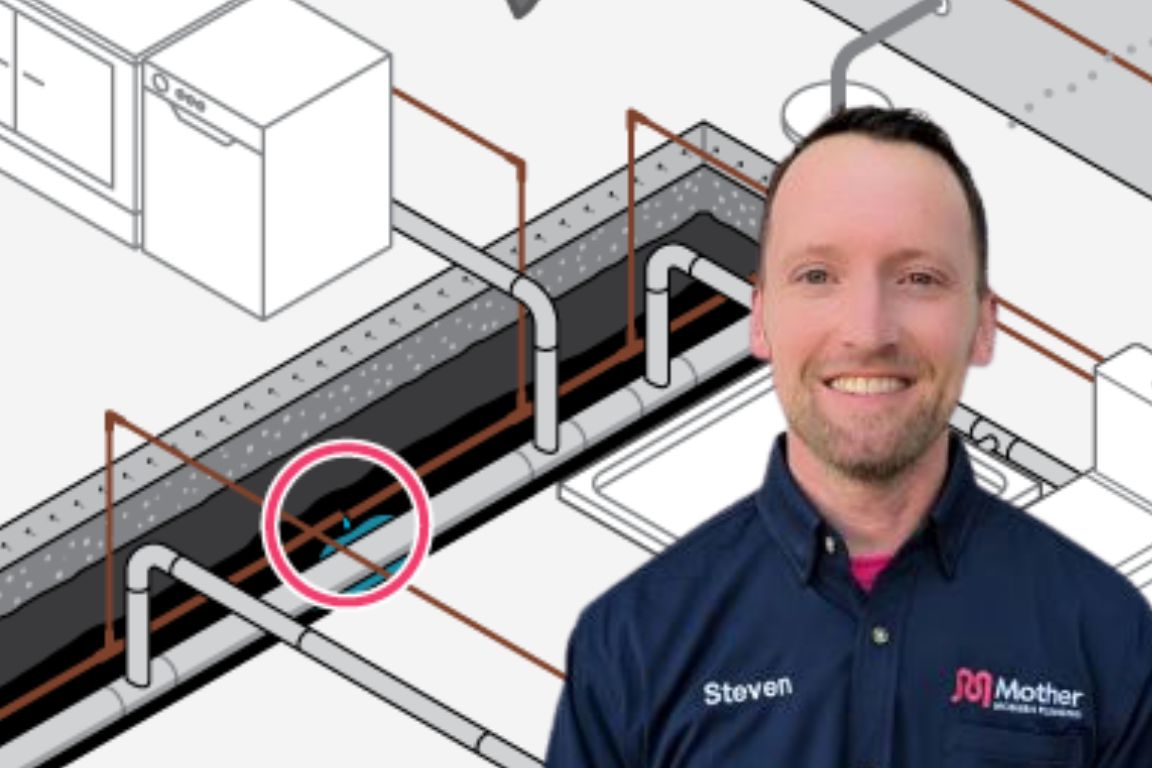
You see the real problem in real time with HD proof- anywhere in your sewer line. A cracked vent stack, a bellied pipe, multiple root intrusions- you see exactly what your plumber sees. This empowers you to take control of the repair process.
Once identified, the fix depends on what the camera shows:
- Tree roots: Hydro jetting blasts the roots out with high-pressure water, clearing the line completely. For recurring root problems, your plumber may recommend a root barrier or trenchless sewer line repair to prevent future intrusion.
- Cracked pipe: If the crack is localized, trenchless pipe lining can seal it from the inside without digging up your yard. For collapsed sections, pipe replacement is necessary.
- Grease or debris blockage: Hydro jetting clears the entire line and removes buildup along the pipe walls, restoring full flow.
After clearing the line, your plumber should run the camera again to confirm the problem is fully resolved and document the condition of your sewer line for your records.
Multiple drains slow or backing up along with the smell? That's a sign of a main sewer line blockage- here's what to do.
{{fast-plumbing-answers-bathtub-and-toilet-clogged="/blogs/fast-plumbing-answers-bathtub-and-toilet-clogged"}}
Less Common Reasons Your Bathroom Smells Like Sewage
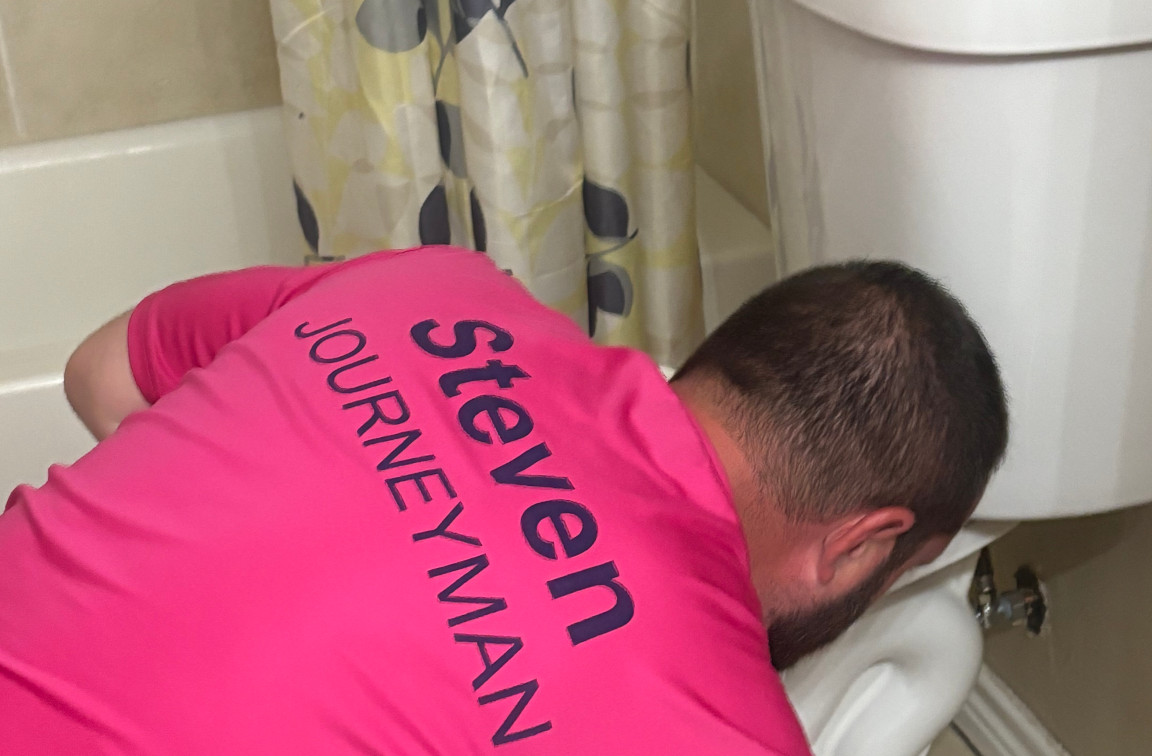
If it's not a dried P-trap and it's not your sewer line, here are the four other possible causes of a sewer smell in your bathroom:
- Leaking toilet seal: The wax ring that seals your toilet to the floor can wear out over time. When it fails, sewer gas escapes from under the toilet base. You may also notice water pooling around the base of the toilet or a wobbly toilet that rocks when you sit on it.
- Biofilm buildup in drains: Biofilm is a slimy layer of bacteria that forms inside drains over time. It smells terrible and releases a sewage-like odor. This is more common in drains that see a lot of soap scum, hair, and organic debris- like shower drains. If you see drain gnats, this is a likely cause.
- Cracked vent pipe: If your vent pipe has a crack above your roofline, sewer gas escapes outside like it should- but wind can push it back down into your attic or through gaps in your roofing, creating a smell inside your home.
- Improperly installed or missing P-trap: In some cases, a P-trap was never installed correctly during construction or a previous repair. Without a proper trap, there's no barrier between your bathroom and your sewer line.
A licensed plumber can diagnose which of these issues is causing the smell and fix it correctly the first time.
Yes, That Sewage Smell Is Dangerous In Two Ways
Sewer gas isn't just unpleasant- it's a health and safety hazard. The smell you're noticing is hydrogen sulfide, a toxic gas that's produced when organic waste decomposes. Yes, it reeks- but even small amounts have real health effects over time.
The CDC says that prolonged exposure to “relatively low levels” of hydrogen sulfide causes painful dermatitis and burning eyes.
Shutting the door and ignoring the smell is the worst choice. If the problem extends anywhere in your sewer line past the P-trap, you’re letting pipe damage fester and get worse.
Health Risks
Sewer gas contains bacteria, methane, ammonia, and hydrogen sulfide. Here's what exposure can do:
- Nausea and headaches: Low-level exposure to hydrogen sulfide causes headaches, dizziness, and nausea. If you feel worse when you're in the bathroom and better when you leave, that's a red flag.
- Respiratory issues: Breathing sewer gas irritates your throat, nose, and lungs. Prolonged exposure can trigger asthma attacks, cause persistent coughing, or lead to bronchitis-like symptoms.
- Eye and skin irritation: Sewer gas irritates your eyes and can cause redness, watering, or burning sensations. Direct contact with wastewater or contaminated surfaces can also cause skin infections.
- Serious poisoning at high levels: In extreme cases- like a major sewer line backup or confined space with poor ventilation- hydrogen sulfide can cause loss of consciousness, respiratory failure, or death. This is rare in residential settings, but it's why sewer gas exposure is never something to ignore.
Plumbing Risks
Ignoring a sewer smell doesn't just put your health at risk- it can also lead to expensive plumbing damage:
- Ongoing sewer line damage: If sewer gas is escaping because of a cracked pipe, that crack will only get worse. Tree roots will grow deeper into the line, soil will erode around the pipe, and what starts as a small crack can turn into a full collapse.
- Wastewater backup: A blocked or damaged sewer line that's releasing gas now will eventually back up completely. That means sewage flooding your bathroom floor, your yard, or even backing up into your shower and toilet.
- Structural damage: Persistent moisture from a leaking sewer line or failed toilet seal can rot your subfloor, damage floor joists, and promote mold growth in walls and under flooring.
Unless It’s Your P-Trap, DIY Is a Bad Idea
Sewer gas exposure is not worth the risk of trying to diagnose and fix this yourself. Opening drains, removing toilets, or working around wastewater without proper safety equipment exposes you to bacteria like E. coli, salmonella, and hepatitis A.
TL;DR: If it’s not a dried-out P-trap, call a plumber.
Professional plumbers have respirators, gloves, hazmat protocols, and liability insurance. You don't. And DIY attempts often make the problem worse- pushing a blockage deeper into the line, damaging pipes during disassembly, or creating new leaks that cost more to repair later.
If the smell persists for more than a day after you've run water down your drains, call a plumber. Don't wait until you're dealing with a sewage backup or a health issue.
Baking Soda and Vinegar Doesn’t Work: Don’t Bother
A lot of online “DIY articles” and Redditors suggest adding a mixture of baking soda and vinegar to a smelly tub drain. Here’s the problem: it doesn’t solve the smell at all. It’s like putting on deodorant without taking a shower.
Baking soda and vinegar create a fizzy chemical reaction that looks productive but has almost no cleaning power. The reaction is too weak to dissolve biofilm, clear a blockage, or address the root cause of sewer gas escaping into your bathroom.
What's worse, the mixture can actually harm your drains. If you have a partial clog, the fizzing action can push debris further down the line- just like using a plunger incorrectly. And if your pipes are old or corroded, the acidic vinegar can accelerate deterioration over time with repeated use.
Baking soda and vinegar might make your drain smell slightly better for a few hours by masking the odor. But it won't fix a dried P-trap, won't clear a sewer line blockage, and won't stop sewer gas from entering your home.
You'll waste time, the smell will come back, and you'll still need to call a plumber.
Dallas Bathroom Smells Like Sewage? Call Mother
A sewer smell in your bathroom almost always comes down to one of two things: a dried-out P-trap that's lost its water seal, or a problem in your sewer line that's allowing sewer gas to escape into your home.
Run water down your drains for 60 seconds. If the smell goes away and stays gone, you fixed it. If it comes back or doesn't improve, you need a plumber to inspect your sewer line, vents, and drains.
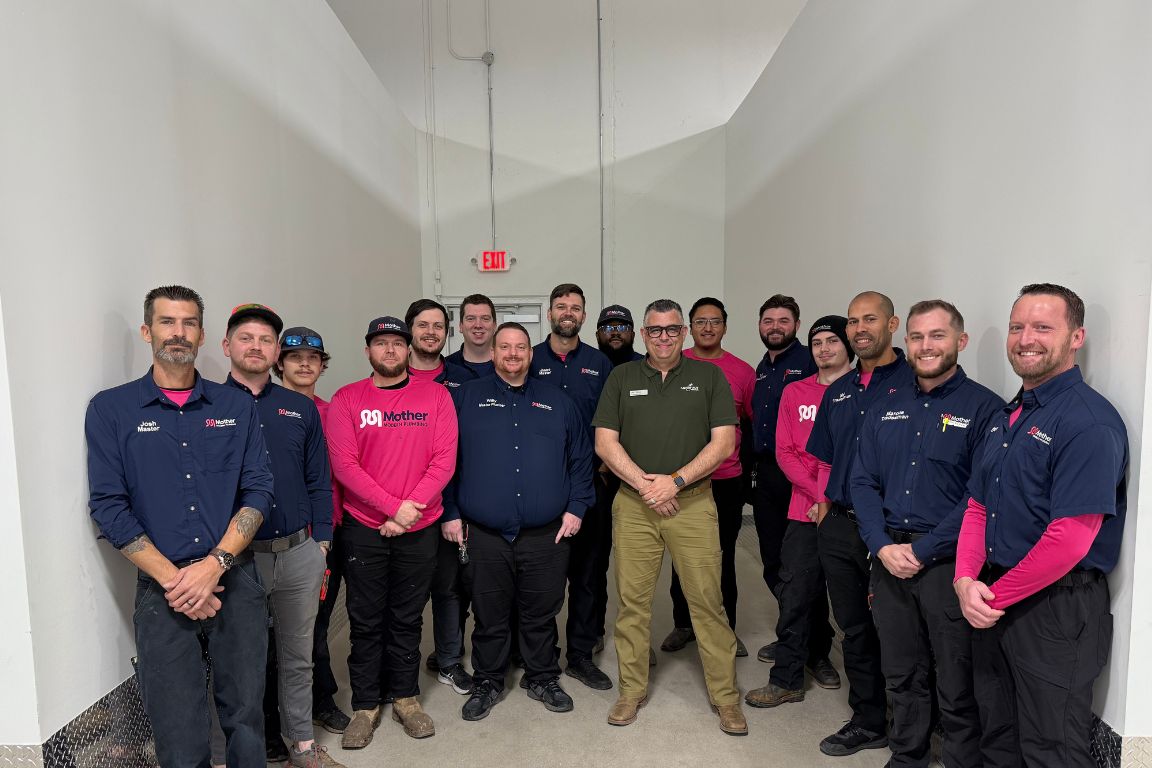
If it’s not your P-trap, call a licensed plumber. We’ll diagnose your specific issue in a short visit and get that smell out of your bathroom for good. No need to be embarrassed when friends visit, no holding your nose while you take a shower.
Your bathroom should smell clean and fresh, not like a dirty toilet. Let's fix that.
Nasty sewer smell in your Dallas-Fort Worth bathroom? Call Mother 24/7- we’ll be here to answer your call and remove that stink ASAP.
{{drain-cleaning="/services/drain-cleaning"}}