Burst Water Heater? What to Do Right Now
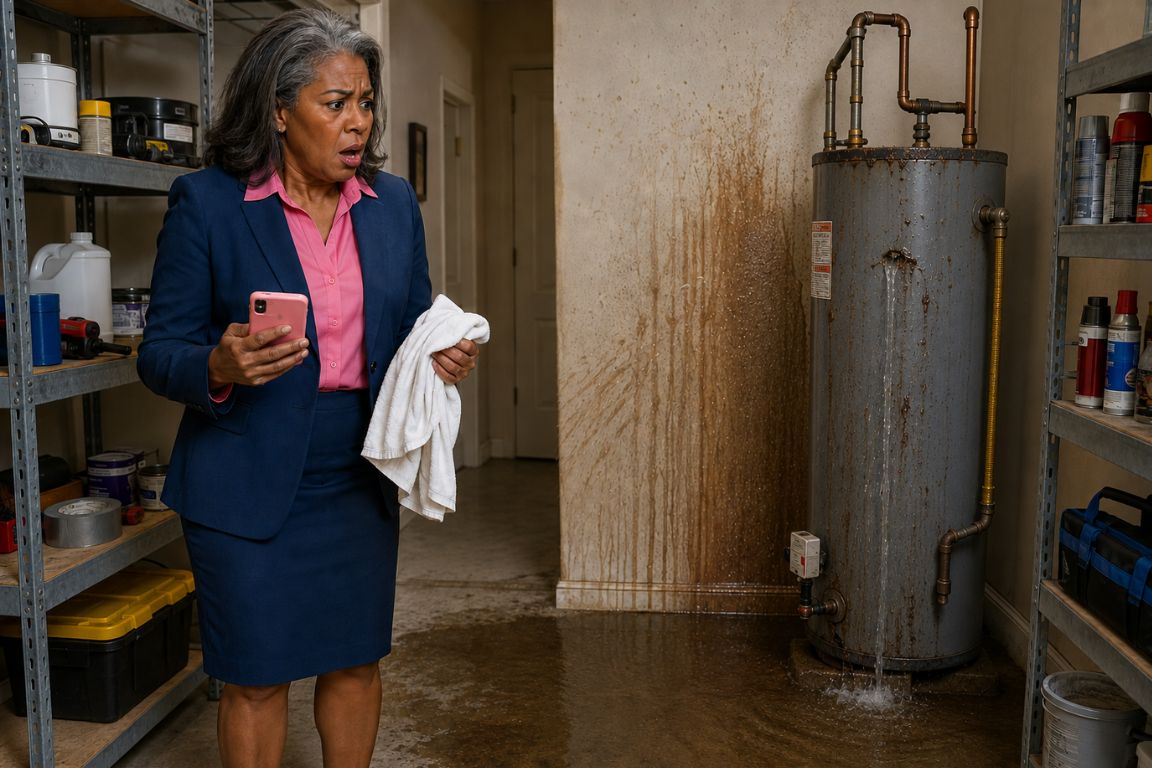


table of contents
table of contents
The first thing to do if your water heater bursts is turn off the energy source. Then, close the dedicated water shut-off valve to your water heater tank. The exact steps you take depend heavily on whether you have a natural gas or electric system.
You need to call two professionals: a licensed plumber and a water damage restoration specialist. The restoration team handles water removal and mitigation. An emergency plumber replaces your busted tank with a new unit to get your home back up and running the same day.
Our Master Plumbers walk you through what to do in the first 10 minutes, with dedicated steps for electric and gas water heaters. We’ll show you what to do, what to avoid, and how to properly document the event for your water damage insurance claim.
Water heater leaking right now in Dallas? Call Mother 24/7 for priority scheduling and same day service with no added emergency call fees.
{{emergency-repair="/services/emergency-repair"}}
Gas or Electric? Why It Changes Your First Move
Establish whether your water heater runs on natural gas (or propane), or electric. It changes the immediate action steps you must take, and the hazards to avoid.
Gas units shut off at a valve, not a switch. You’ll turn the thermostat dial to “off” and close the gas supply valve. The real danger here isn’t the water. It’s the potential for a gas leak.
If you smell gas at any point in this process, stop now:
- Leave the house and follow our emergency gas leak protocol.
- Call your gas company to shut off the incoming supply. In our service area, call the Atmos Energy emergency line 24/7: (866) 322-8667.
Electric water heaters shut off at your breaker panel, not the tank itself. Unlike gas units, the danger here is the water leak itself. Standing water near live wires or the unit’s heating element is an electrocution hazard.
Don’t touch the water heater or stand near it if there’s water on the floor around the heater, or near your breaker panel.
1. Shut Off the Water Heater’s Energy Source First
The only exception to this rule is if there is standing water in a pool around your electric water heater. If everything’s safe, here’s how to shut off the power to your specific water heater.
How to Shut a Gas Water Heater Valve
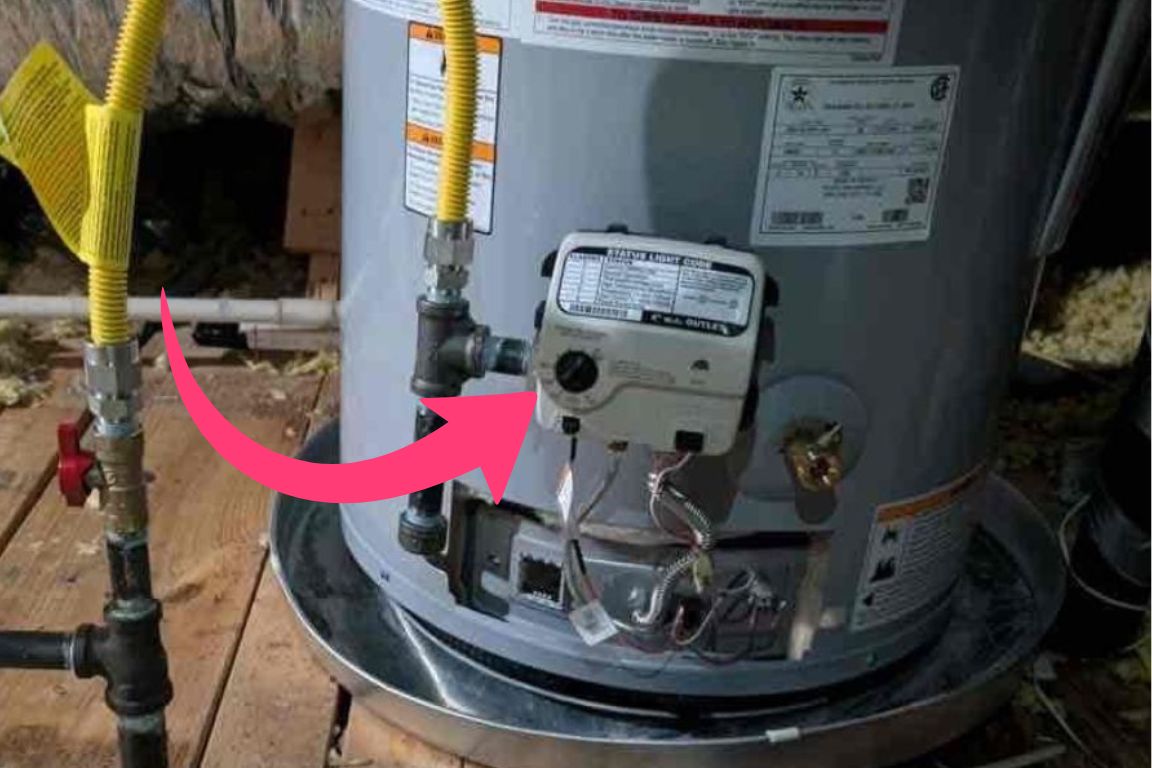
- Turn the thermostat to the “off” setting.
- Close the gas valve. This is either a lever at the bottom of the unit, or a digital or dial control.
- Lever: Rotate the lever 90° (quarter-turn) until it’s perpendicular to the gas pipe.
- Digital display or dial: Twist the main knob to the “off” position.
If your gas water heater has an electrical cord, shut off the electric to your home at the breaker panel.
How to Turn Off Power to Electric Water Heaters
- Switch off the power. If there’s no water surrounding the breaker panel, find the main on/off breaker and turn off power to the whole house.
2. Shut Off the Cold Water Supply at the Tank
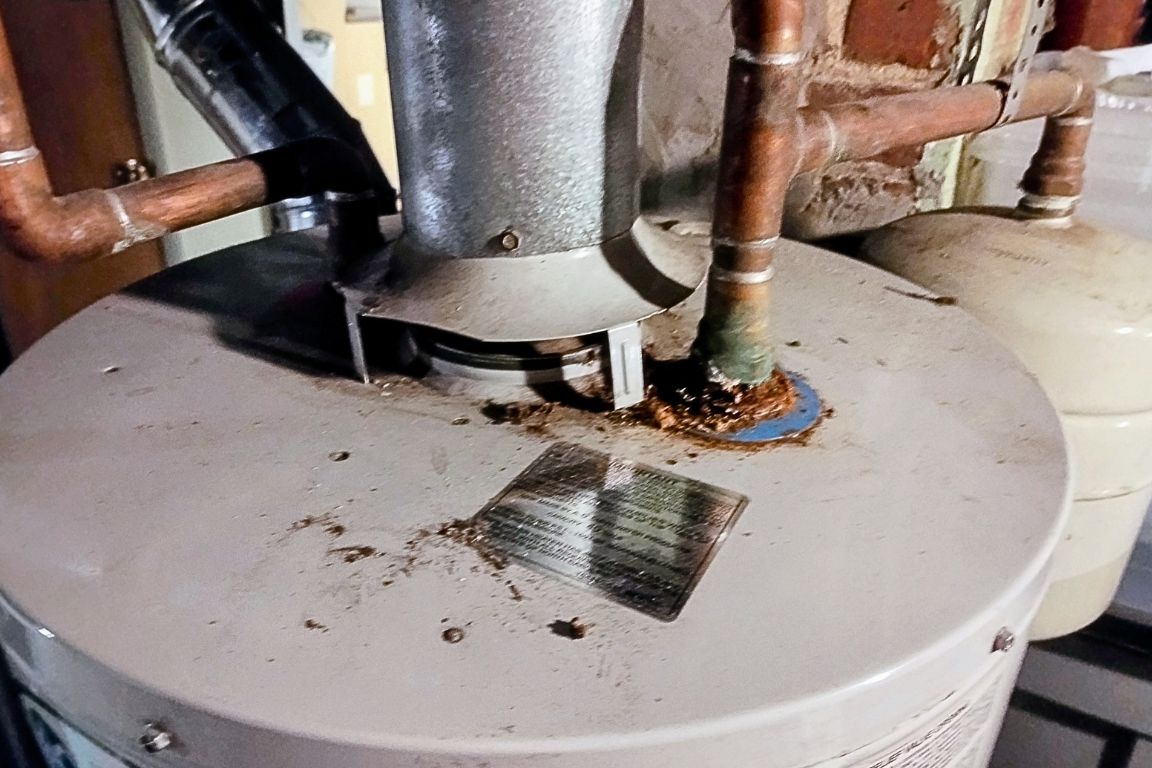
Most cold water inlet supply valves are located on the top right side of your tank. They’re marked “Cold”, labeled with a blue ring, or both.
The valve is operated by either a lever or a round wheel handle:
- Lever: Rotate the lever 90° (quarter-turn) until it sits perpendicular to the incoming water supply pipe.
- Round wheel: Twist the wheel clockwise until it stops moving. Do not force it, especially if it’s rusted- you may break the valve.
You shouldn’t need to shut off water to your whole home. If you want to do so for your peace of mind, follow our guide to learn how to shut off water to your house.
3. Relieve the Leftover Water Pressure
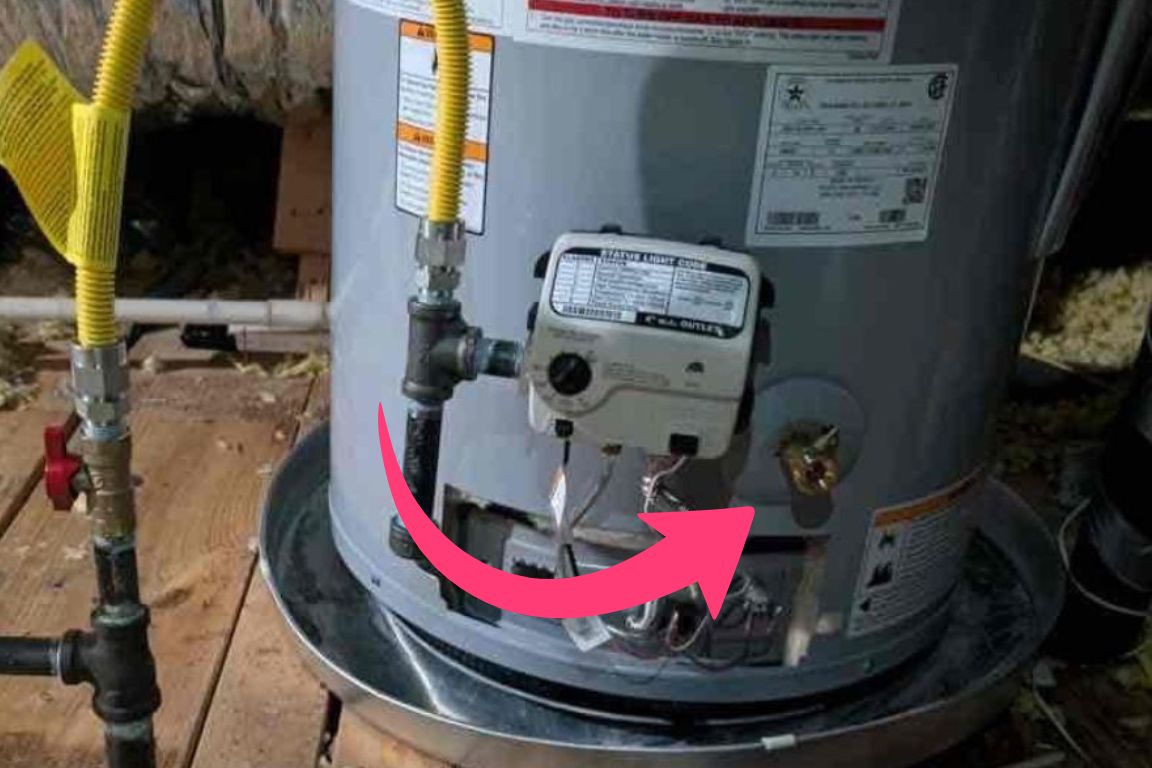
Even though the cold inlet valve is closed, there’s still water sitting in your pipes and your water heater. This leftover supply is still there to spray out and flood your home.
The water in your pipes is pressurized, carrying extra flood risk. As you drain the pipes, stand clear of the opening- hot water can spray out and injure you.
Here’s what to do:
- Open a nearby hot water faucet. This allows air into another tap in your home’s plumbing system. The “bonus vent” helps the tank drain smoothly.
- Drain the tank through the bottom valve. If you can reach the tank safely, open the drain valve at the bottom of your tank. Drain all the water out of the unit, ideally in one of these two ways:
- Connect a garden hose. Lead the hose to a lower elevation outside, a floor drain, or a sump pump.
- Place a bucket. If you can’t connect a hose, collect as much draining water as possible in buckets.
4. Call a Licensed Plumber At This Stage
You’re about 10 minutes into the process- great job! Now, call a licensed plumbing service that offers emergency burst water heater replacement.
You don’t need them just yet. But calling now ensures they’ll arrive the moment you need them.
What Your Emergency Plumber Must Do
Hire a licensed, insured plumbing contractor who offers these three emergency water heater service options:
- Diagnose. Assess precisely what caused your water heater to burst. Understanding the “why” means we can take preventative measures with your new system so it doesn’t happen again.
- Isolate. Ensure water, power and energy are fully shut off from the busted water heater.
- Replace. Detach and remove the damaged tank and system, and replace it with a new tank or tankless unit the same day.
Same day water heater replacement ensures your home gets back up and running while a remediation team does its jobs. Mother carries a full stock of trusted brands for same day installation- Rinnai, Rheem, Navien, A.O. Smith, Bradford White and more.
What a Plumber Doesn’t Do
Plumbers generally don’t perform structural drying or mold remediation services (although we do identify current and potential mold growth areas).
You need a separate water damage restoration team for this. Hire a contractor with IICRC Water Damage Restoration Technician (WRT) certification.
5. Document Your Water Damage for Insurance
We know the impulse is to clean up the water ASAP. But get photos and videos of the water damage first. It’s a crucial step to ensure your water damage claim is approved by your homeowners insurance provider.
Moving any personal belongings, furniture or damaged items prior to documenting the footage is a common mistake. “If you take things out of the water before you take photos, an adjuster can argue they weren’t damaged by the burst water heater,” explains our Responsible Master Plumber Steven Smith (RMP-43457).
Here are the pictures and videos to take for your water damage insurance claim:
If you live in our DFW service area, use the Texas Department of Insurance water damage coverage guide to see what’s likely covered and not covered.
6. Contain the Water and Start Cleanup
Your plumber’s on the way and you have your claim photos and videos documented. Now, start cleaning up and containing as much water as possible.
This is a fresh water leak, so it’s safe to clean up yourself unless the power’s still on.
Use the following tactics:
- Limit the spread. Use towels and old rags to form a perimeter around the spilled water. This stops the seepage into other rooms and areas.
- Soak up what you can. Any leftover towels, tags or sponges go into the “flood zone”.
- Ventilate the space. Open windows. Pull in battery-operated fans. Turn on dehumidifiers. Whatever you can do to increase airflow and speed up evaporation.
- Use a wet/dry vac (gas units). If you have a gas unit, the power’s likely still on. Roll in a shop vacuum and pull out as much of the water as possible.
Bad Advice We Found Online: Don’t Do This
The DIY steps we outlined in this piece are safe, actionable measures you can take during a burst water heater crisis. Some other “tips and hacks” we found online are plain bad advice that cause injury, electrocution risk and may ruin your insurance claim.
Don’t Try to Relight the Pilot
You’re not trained on gas appliance repair, and there’s a flooding event happening in real time. The injury risk is real in multiple ways.
Don’t Duct Tape or Patch a Corroded Tank
A busted water heater tank is a failed pressure vessel. It’s not repairable. Patching it fixes nothing. It also counts as negligent behavior that ruins your chances of an insurance claim.
Emergency Burst Water Heater Replacement in DFW

After you safely shut off the power and turn off the cold water inlet to your burst water heater, call a plumbing service that meets the high standards necessary for urgent situations:
- BBB accreditation
- 24/7 phone support and same day service
- No emergency call markups or additional fees
- Same day replacement and installation of new water heaters
In DFW, that’s Mother. Call us anytime- leaky water heaters don’t happen on a schedule. Whether it’s 7 am on Monday or Thanksgiving Day, we’re here to help.
{{emergency-repair="/services/emergency-repair"}}