.svg)
Repair or Replace Gas Line? Master Plumber Advice


table of contents
table of contents
A failure in your gas line is a high-pressure situation. If you have a red tag on your meter, the immediate stress of leaving your home and worrying about the safety of your family is made worse by having to make a major decision: do you fix the specific leak or replace the entire line?
This isn’t a pleasant situation to be in, and the clock is ticking to get your hot water and stove back online safely. Our Master Plumbers built this solutions guide to ease that stress.
Mother’s team of gas line technicians has provided comprehensive gas leak detection, repair and replacement service to hundreds of homeowners in the DFW Metroplex. We used that experience to refine our “repair vs. replacement” decision tree- the right solution is the only one that matters for your safety.
By the end of this article, you’ll know what our plumbers know- and you’ll understand which decision is best for the long-term security of your home.
Need gas line repair in Dallas-Fort Worth? Call Mother 24/7 for safe, licensed gas service on your schedule.
{{gas-line-repair="/services/gas-line-repair"}}
Gas Line Repair vs Replacement: Smart Questions to Ask
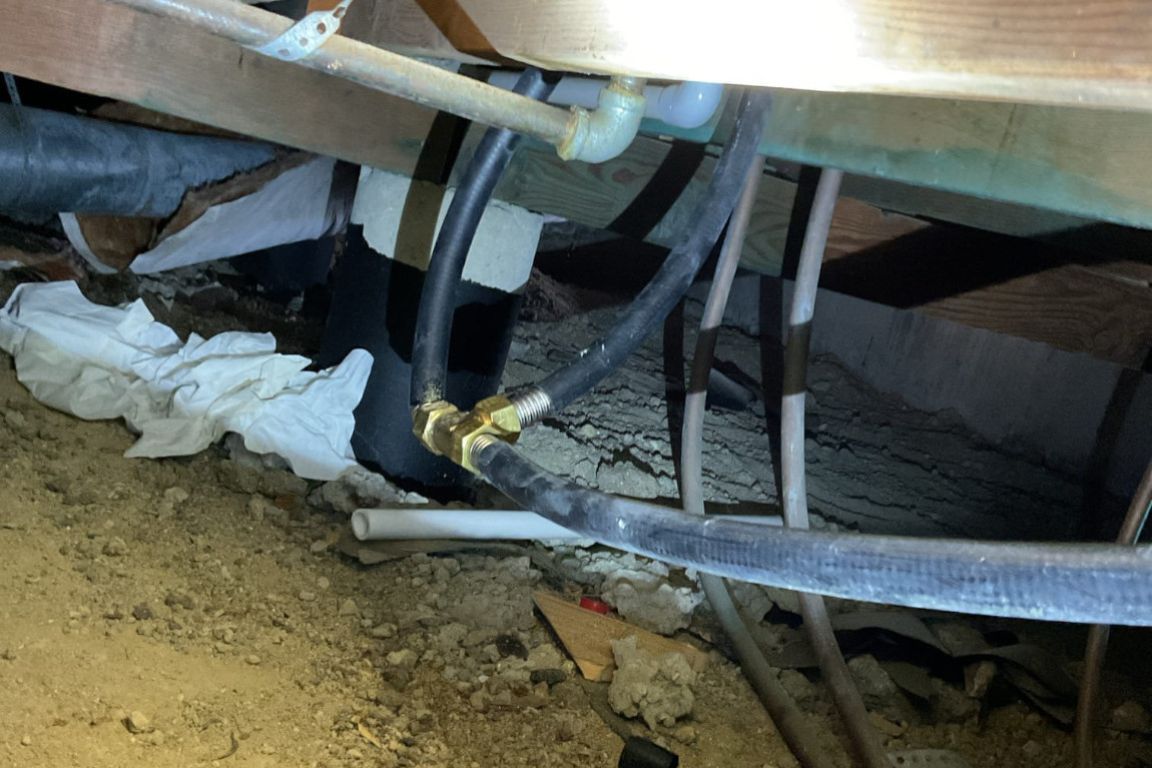
Every warning sign of a gas line issue feels like an emergency. However, unique symptoms indicate the need for different solutions. There are three key questions that drive our plumbers’ decision-making process:
- The scope of your damage (local or systemic?);
- The age of your gas system; and
- Is there a leak, or is this an installation/renovation process?
A localized failure is usually an isolated break in a single section of pipe or a loose fitting at an appliance. A systemic failure means the material of the pipe itself is breaking down across the entire property.
The age of your system also plays a massive role. Systems that are more than 20 years old often reach a point where the cost of repeated repairs exceeds the value of the infrastructure.
Here are the questions homeowners can answer to help plumbers determine whether gas line repair or replacement is the right solution.
Is the Problem Local or Systemic?
If the problem is isolated to one gas appliance, such as just your stove, a repair is usually the most logical path. However, if you have gas flow issues or leaks affecting your water heater, furnace, and stove simultaneously, the problem is likely systemic. Widespread failure suggests the main supply line is compromised and requires full replacement.
How Much of Your Gas Line Is Damaged?
Ask your plumber or gas technician to assess the total scope of the damage. A single pinhole leak in a modern line is a clear candidate for a repair. However, if the technician finds multiple leaks or a section of pipe that has been severely crushed by shifting soil, moving toward a full replacement is the only way to ensure the home remains a sanctuary.
How Old Is Your Gas System?
In most residential situations, replacing gas infrastructure that is 20 or more years old is the right call. Metal pipes, especially older black iron lines, are subject to corrosion from the inside out due to moisture and soil chemicals. If your home was built in the 1990s or earlier and you are experiencing leaks, the pipe walls have likely thinned to the point where a repair in one spot will only cause a blowout in another.
Does Your Current Gas System Meet Code?
If your gas system doesn’t meet current safety codes, the right answer is always replacement. Codes change to reflect better safety technology, such as the transition from older, uncoated brass connectors to modern stainless steel. If a technician finds that your pipes are undersized or made of outdated materials, a simple repair is often illegal and unsafe.
Is This Part of a Renovation or Addition?
If you are currently remodeling, you’ll likely be installing new gas lines or relocating existing ones to reach moved appliances. It’s a smarter long-term option to replace the older lines while the walls are open or the yard is already excavated. This prevents you from having to tear up your new kitchen or landscaping two years down the road to fix an old pipe you left behind.
Signs You Need Gas Line Repairs
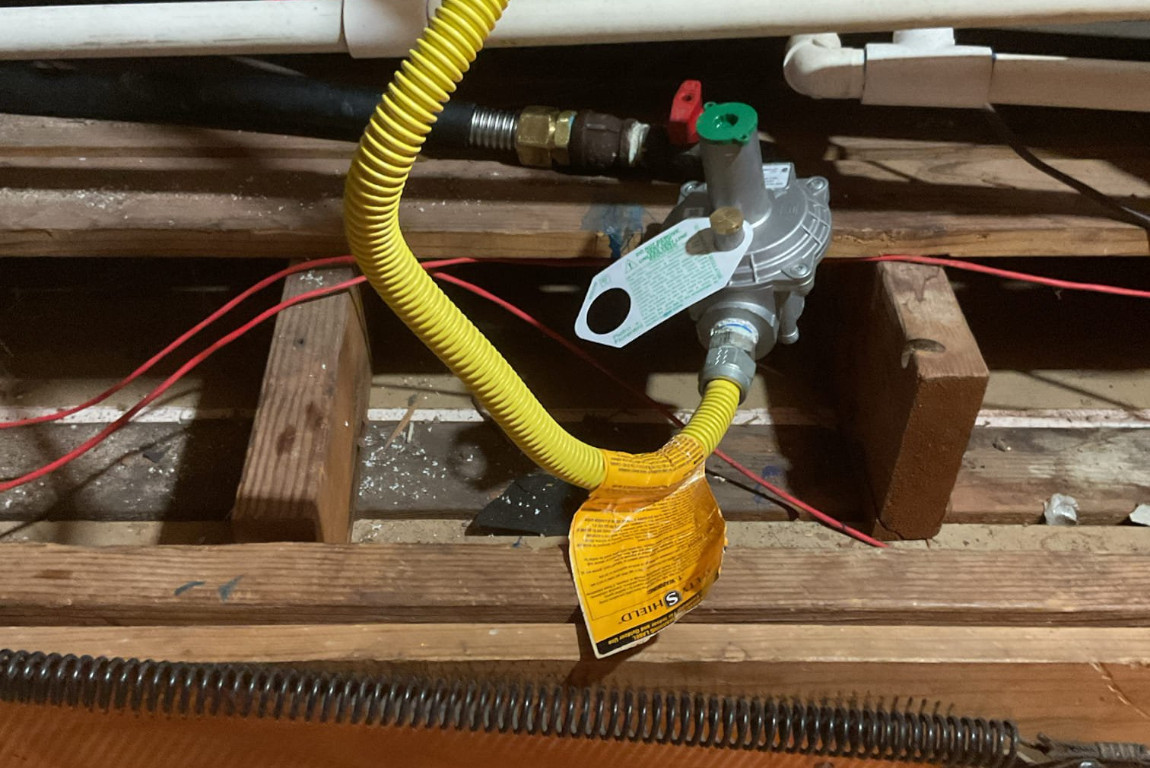
If your home’s infrastructure is relatively young and the failure is an isolated event, a repair is often the best smart deal. Look for these specific signals:
- Hissing Noises Near Gas Line: A sharp, localized hissing sound near a connection point usually indicates a loose fitting or a small puncture that can be cut out and replaced.
- Rotten Egg Smell: If the smell is faint and only exists right behind one appliance, the issue is likely a failed flex line or a valve that needs a simple swap.
- Surprisingly High Gas Bill: A sudden, small spike in your bill can indicate a minor leak that has not yet become a full-blown emergency.
- One Gas Appliance Is Not Working: If your water heater works but your stove does not, the blockage or leak is likely localized to that specific run of pipe.
- Pilot Light Won’t Stay Lit: This is often a sign of a bad thermocouple or a localized pressure issue at the appliance rather than a total line failure.
- Yellow Flame on Gas Stove: A yellow flame indicates incomplete combustion, which can often be solved by cleaning the burner or adjusting the gas-to-air ratio at the appliance.
{{fast-plumbing-answers-how-to-detect-a-gas-leak="/blogs/fast-plumbing-answers-how-to-detect-a-gas-leak"}}
Signs You Need to Replace Your Gas Line
Replacement is the highest level of protection for your home. It moves you from a reactive state of fixing leaks to a proactive state of total home security.
- Your Gas Line Is 20+ Years Old: At this age, the risk of systemic corrosion is too high to justify the cost of repeated patches.
- Multiple Gas Appliances Are Not Working: When the whole house loses pressure, the main infrastructure has failed.
- Visible Corrosion on Gas Pipes: If you see rust, flaking metal, or green oxidation on the pipes in your attic or crawlspace, the metal needs to go.
- Dead Vegetation Above Underground Lines: In North Texas, a gas leak in the yard will kill the grass by displacing oxygen in the soil. If you see a brown path in your lawn, your underground line likely needs a full replacement.
- Persistent Gas Flow Issues: If you’ve already paid for repairs and the smell or the pressure issues return, the line is beyond saving.
- Accidental Excavation Damage: If a shovel or bulldozer catches a gas line, it stretches or weakens the pipe far beyond the point of impact. Replacement is the only safe option.
- “Acts of God” Damage: Severe storms or significant soil movement snap gas lines or pull them away from the house. This requires a total system reset to meet safety standards.
{{fast-plumbing-answers-what-size-natural-gas-line-do-i-need="/blogs/fast-plumbing-answers-what-size-natural-gas-line-do-i-need"}}
The Price of Repairing vs. Replacing Your Gas Line

When looking at the price, a repair is almost always the cheaper upfront option. It is a targeted fix designed to get your gas turned back on as quickly as possible. However, a replacement should be viewed as a long-term investment in the value and safety of your property.
The Long-Term Costs of Repair vs. Replacement
For homeowners with recurring issues or widespread damage: paying more upfront for replacement often ends up being cheaper in the long run.
If you pay for three different repairs over three years, you’ll spend more than half the cost of a new line without gaining the 50-year lifespan that a new installation provides. Multiple repairs to the same damaged line compound over time, both in financial cost and in the stress of repeated gas shut-offs.
Make The Right Long-Term Gas Line Decision
The decision to repair or replace your gas line comes down to the current state of your system. If your lines are modern and the damage is an isolated accident, a repair is a perfectly safe and effective solution.
However, if you’re fighting an aging system that’s compromised by time and soil movement, a full replacement is the only way to truly protect your sanctuary.
Good plumbers don't guess when it comes to your safety. At Mother, we use high-level detection equipment to show you exactly where the failure is so you can make an informed choice.
Whether you need a surgical repair to get your stove back on or a complete system upgrade, our goal is to provide a solution that lasts.
DFW homeowners: Call Mother 24/7 for expert guidance on whether repair or replacement is right for your damaged gas line.
{{gas-line-repair="/services/gas-line-repair"}}