Fast Plumbing Answers: Why Does My Hot Water Run Out So Fast?



table of contents
table of contents
You're the second person in the shower and the water's already ice cold. Or you're running the dishwasher and washing machine, and suddenly there's no hot water left for anything else. You know your conventional water heater used to keep up, so what changed?
Don't worry: we'll answer all your questions in 3 minutes or less.
At Mother, we diagnose hot water problems daily throughout Dallas-Fort Worth. We'll walk you through each cause and the single best solution to restore your hot water supply.
When your conventional water heater runs out of hot water too quickly, it's almost always one of three issues: sediment buildup reducing your tank's capacity, a broken dip tube mixing cold water with hot, or a water heater that's simply too small for your household's current needs.
Need water heater service in Dallas? Call Mother 24/7 - we'll have a licensed plumber at your home ASAP.
{{water-heater-repair="/services/water-heater-repair"}}
Sediment Buildup Is Stealing Your Hot Water Capacity
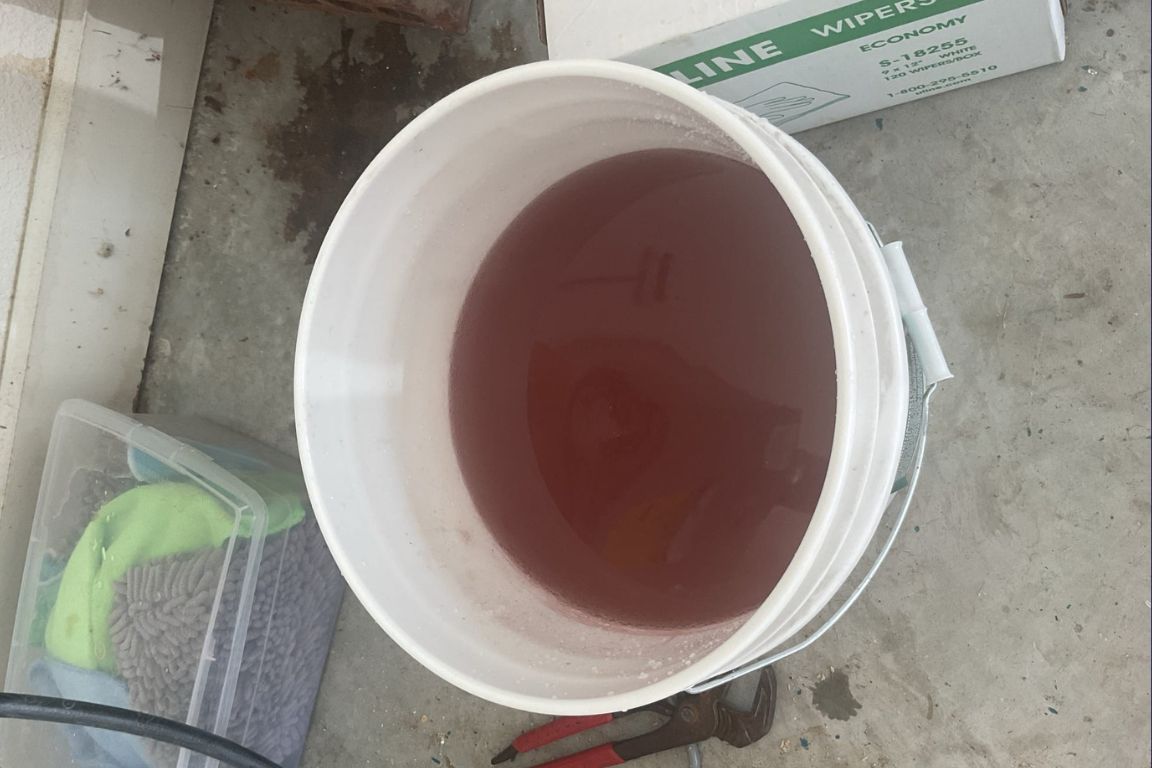
The #1 reason your hot water runs out fast is sediment buildup at the bottom of your tank. This is especially common in areas with hard water like Dallas-Fort Worth, where calcium and magnesium minerals settle out as water heats up.
"Sediment is a water heater killer in North Texas," says our Responsible Master Plumber Steven Smith. "A 50-gallon tank with 10 gallons of sediment at the bottom is really only a 40-gallon tank. You've lost 20% of your capacity without realizing it."
As your water heater operates, minerals in hard water separate from heated water and sink to the bottom of the tank. Over time, this sediment layer gets thicker, reducing available hot water and insulating water from the heating element, forcing your system to work harder.
Signs you have sediment buildup
Look for these five symptoms that point to sediment problems:
- Progressively shorter hot water supply over months or years
- Rumbling or popping sounds when the water heater runs (sediment crackling as it heats)
- Longer heating times between hot water uses
- Rust-colored hot water from your taps
- It's been 2+ years since your last tank flush
The best solution: Call a plumber to flush your tank
Flushing your water heater removes sediment and restores tank capacity. A licensed plumber has the tools to handle stubborn sediment and stuck drain valves that often plague older tanks or tanks that have never been flushed.
Professional tank flushing should be done annually to maintain capacity and extend your water heater's lifespan. In hard water regions, consider flushing your tank every 8-9 months.
"Flushing is the single best thing you can do to extend your water heater's life- especially in Dallas," Steven explains. "We see tanks last 12 years with regular maintenance versus 6-7 years without it."
Not getting hot water, but you own a tankless? Read our helpful 2-minute guide for answers.
{{fast-plumbing-answers-no-hot-water-from-tankless-heater="/blogs/fast-plumbing-answers-no-hot-water-from-tankless-heater"}}
Your Dip Tube Is Broken and Mixing Cold Water With Hot
If your hot water shortage happened suddenly rather than gradually, a broken dip tube is the likely culprit. The dip tube is a plastic pipe inside your tank that delivers incoming cold water to the bottom, keeping it separated from hot water at the top.
When the dip tube breaks, cold water enters at the top instead of the bottom, immediately mixing with your hot water and creating lukewarm water that runs out fast.
Signs your dip tube has failed
Look for these telltale warning signs:
- Small white plastic pieces in your faucet aerators or shower heads
- Sudden change from adequate hot water to insufficient supply
- Lukewarm water even when the tank should be full
- Water heater is 6+ years old (dip tubes typically last 6-10 years)
The white plastic pieces are fragments of the deteriorated dip tube breaking off and flowing through your plumbing system. If you see these, your dip tube has definitely failed.
Checked your tank and noticed a leak? We’ve got your back- find out why your water heater’s leaking in our simple 3-minute guide.
{{fast-plumbing-answers-why-is-my-water-heater-leaking="/blogs/fast-plumbing-answers-why-is-my-water-heater-leaking"}}
The best solution: Replace the dip tube
Replacing a dip tube is a straightforward repair that restores your full hot water capacity immediately. A plumber shuts off power and water, drains several gallons from the top, removes the cold water inlet connection, pulls out the old dip tube, installs the new one, and tests the system.
"A new dip tube can add 3-5 years to your water heater's life," Steven notes. "It's one of the best value repairs we do."
Your Water Heater Is Too Small for Your Household
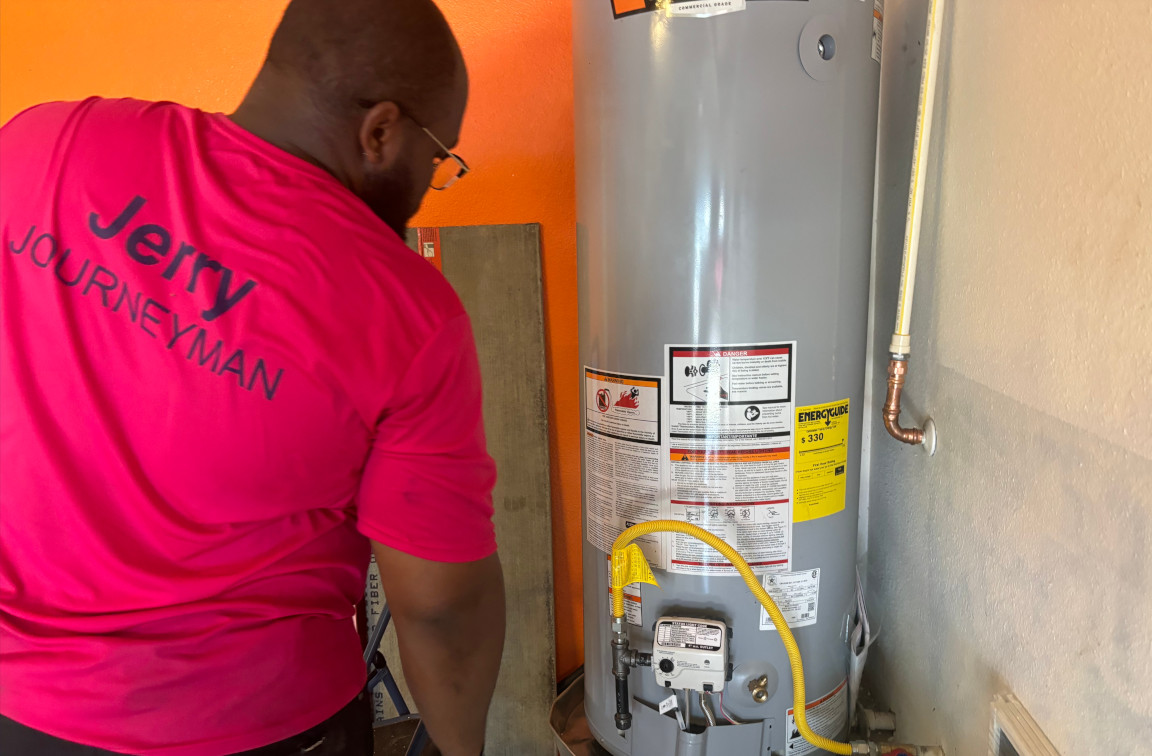
If you've always struggled with hot water supply, or if your household has grown, your water heater may simply be too small for your current needs.
Water heaters are sized by tank capacity (gallons) and recovery rate. A 40-gallon tank was perfect when you moved in, but adding family members or upgrading to a larger shower system means your demand has outgrown your supply.
How to know if your tank is undersized
Use this quick calculation: A household needs approximately 10-15 gallons of hot water capacity per person for comfortable daily use.
If your household has grown beyond your tank's capacity, no amount of maintenance will give you enough hot water during peak usage times.
The best solution: Upgrade to a larger tank or go tankless
You have two options to solve an undersized water heater:
Option 1: Install a larger tank. Upgrading your tank by 10-20 gallons usually solves the problem if you have space and adequate gas line or electrical capacity.
Option 2: Switch to tankless. Tankless water heaters provide endless hot water by heating water on demand. They save 20-30% on energy costs over time, and are a particularly good investment for homes that run on natural gas or propane.
"A tankless makes tons of sense if you use gas or LP," Steven says. "They provide continuous hot water, and the energy savings pay for the difference over the unit's lifespan."
Want continuous hot water? Learn whether switching from tank to tankless makes sense for your home.
{{replacing-water-heater-with-tankless="/blogs/replacing-water-heater-with-tankless"}}
One More Thing: Check Your Thermostat Setting
Before calling a plumber, check your water heater's thermostat setting. It should be set to 120-130°F for optimal performance and safety.
If someone accidentally lowered the temperature, your water heater can't heat water hot enough to meet your needs. Simply adjusting the thermostat may solve your problem.
For electric water heaters, you'll need to remove the access panel to reach the thermostat. For gas units, the temperature dial is usually visible on the gas valve.
Get Your Hot Water Back - Call Mother Today

Running out of hot water too quickly usually means sediment has reduced your tank's capacity, your dip tube has broken and is mixing cold water with hot, or your water heater is simply too small for your household's needs.
Sediment buildup happens gradually and responds well to tank flushing. A broken dip tube causes sudden changes and needs replacement. An undersized tank requires upgrading to a larger unit or switching to tankless.
Don't settle for cold showers and interrupted laundry cycles. Mother Modern Plumbing's licensed plumbers diagnose hot water problems throughout Dallas-Fort Worth and provide clear guidance on the most cost-effective solution for your situation.
Running out of hot water in Dallas? Mother's here for you 24/7 - we'll diagnose the issue and restore your hot water supply fast.
{{water-heater-repair="/services/water-heater-repair"}}