Descaling Cast Iron Pipes: A Homeowner's Guide


table of contents
table of contents
Your cast iron sewer pipes were installed before 1980. That's 50+ years of rust, corrosion, and mineral scale turning your 4-inch sewage highway into a clogged traffic jam. No wonder your drains are slow.
As you gather plumbing quotes to descale your sewer pipes, you’ll notice two options: hydro jetting and mechanical augering. You need to understand how they’re different, and which one’s the right solution for your existing cast iron.
At Mother, we specialize in identifying and restoring these aging systems. This guide will walk you through the diagnostic process, how hydro jetting and augering affect cast iron, and the benefits and risks associated with each.
Need your sewer pipes descaled in DFW? Call Mother 24/7 for same-day, expert sewer cleaning solutions.
{{sewer-cleaning="/services/sewer-cleaning"}}
Clear Signals Your Aging Sewer Pipes Need Descaling
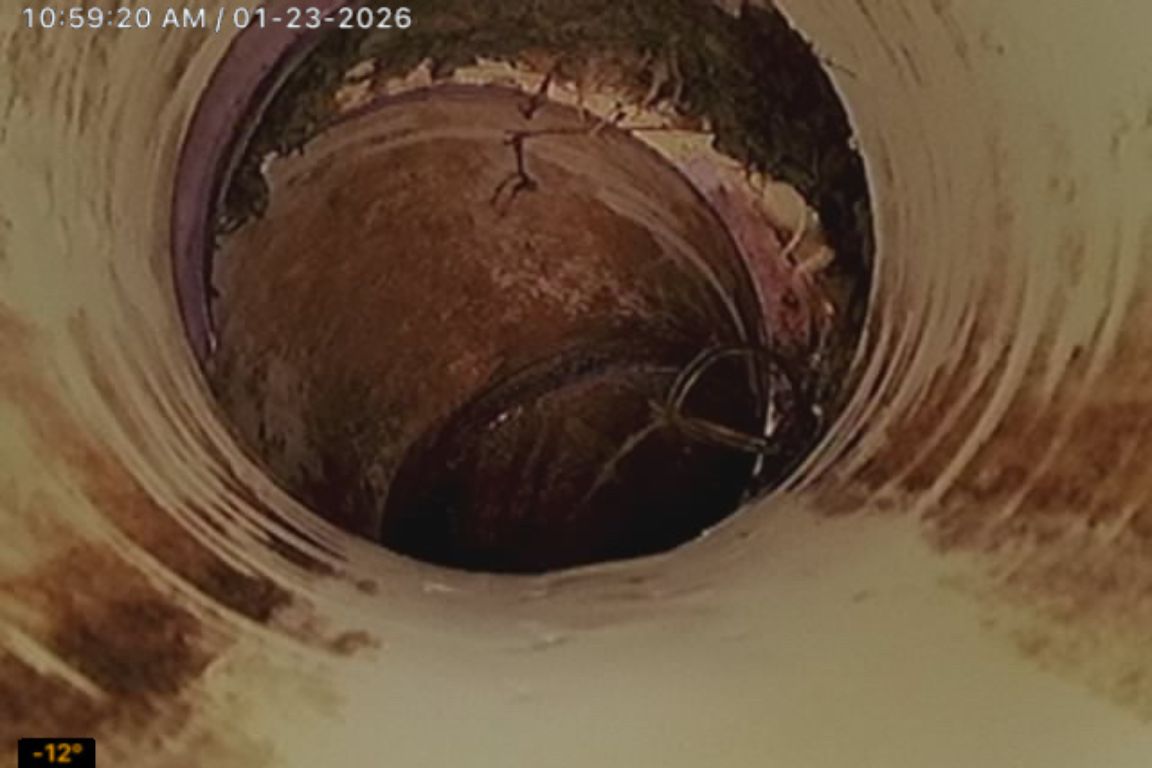
As cast iron ages, it undergoes a chemical process. Minerals in your water supply combine with the oxidation of the iron itself to create scale buildup- a jagged, rock-hard crust that grows inward from the pipe walls.
This reduces a four-inch sewage pipe to a one-inch choke point, catching hair, grease, and debris until your home's drainage system fails.
Hard water leaves behind calcium carbonate scale that cuts flow (USGS). DFW's water supply is notoriously hard (160+ ppm), which is why scale buildup happens so quickly here.
Here’s what you’ll begin to notice as scale buildup increases- both inside and outside your house.
Drainage Symptoms Inside the Home
- Multiple slow drains throughout the house: When the kitchen sink, bathroom shower, and laundry drain all struggle simultaneously, it indicates that the main sewer line has lost its flow capacity due to scale.
- Gurgling sounds from toilets and drains: As water tries to move past a narrowed pipe, it creates a vacuum. Air is pulled through the P-traps of other fixtures to compensate, resulting in the sound you hear.
- Recurring backups every few months: If you hire a plumber to "snake" the line and the clog returns 90 days later, you aren't dealing with a new problem. You are dealing with the same scale.
- Toilets that flush weakly: If the toilet pipe is narrowed by scale, that water meets immediate resistance, causing the bowl to fill high and drain slowly.
- Sewage odors inside the home: Scale absorbs and holds onto organic waste that would otherwise slide out to the city main. This trapped waste decomposes inside your walls or under your slab, venting foul odors back through your drains.
- Water pooling around floor drains: When main line scale restricts drainage, these floor drains will be the first to show standing water as the system reaches capacity.
Visual Cues in the Yard
- Soggy patches near your sewer line path: When scale becomes so thick that it restricts flow, internal pressure increases. In aged, weakened cast iron, this pressure can force water through pinhole leaks or cracked joints.
- Sewage backing up through your cleanout: If you remove your exterior cleanout cap and see standing water, the blockage is between your house and the street. In an older home, this is almost always a combination of heavy scale and root intrusion.
- Unusually green grass patches: A strip of grass that is greener and grows faster than the rest of the yard- specifically following the path of your sewer line- indicates that your cast iron is leaking through a damaged section.
- Sunken areas along the sewer line route: Constant leaking from a scaled-up pipe will eventually erode the soil beneath it. If you see a dip in your lawn or a crack in your sidewalk following the pipe path, the pipe may have already collapsed.
Yes, You Can Descale Cast Iron Pipes- But How?
There is a common misconception that once cast iron starts to scale, the only solution is a total, five-figure replacement. While that is sometimes true, many pipes can be successfully restored through professional descaling.
The interior of a cast iron pipe is naturally porous. Over 50 years, minerals like calcium and magnesium bond themselves to these pores. Descaling is the process of mechanically or hydraulically shattering that bond to return the pipe to its original diameter.
The real question: which descaling method is right for your pipes? It’s all about the structural integrity of your existing system.
Descaling works beautifully on stable cast iron that still has thick walls. However, if the pipe has channel rot- where the bottom of the pipe has been eaten away by decades of acidic wastewater- the scale might be the only thing holding the pipe together.
This is why a diagnostic camera inspection is non-negotiable. We must see the "bones" of the pipe before we attempt to scour the walls.
{{camera-inspection="/services/camera-inspection"}}
The Best Way to Clean Cast Iron Pipes

We utilize two primary methods to restore flow to a scaled-up cast iron system. The choice depends on the pipe's age, its location (under the slab or in the yard), and its current thickness.
- Hydro Jetting: This uses high-pressure water (3,000 to 4,000 PSI) delivered through specialized nozzles. It scours the pipe circumference, shattering scale and flushing it to the city sewer system.
- Mechanical Sewer Augering: This uses high-speed, flexible shafts with expanding chain-knockers. As the shaft spins, the chains "slap" the interior walls of the pipe, knocking the scale loose without the use of high-pressure water.
Use our updated solutions guide for a deeper comparison of hydro jetting vs. sewer augering.
{{hydro-jetting-vs-snaking-comparing-sewer-cleaning-options="/blogs/hydro-jetting-vs-snaking-comparing-sewer-cleaning-options"}}
Hydro Jetting: Powerful Descaling for Stable Pipes

Hydro jetting is the most thorough restoration method for cast iron that still has its structural integrity. It’s essentially power-washing the inside of your home's infrastructure.
{{hydro-jetting="/services/hydro-jetting"}}
How Hydro Jetting Works on Cast Iron Pipes
- Pressure (PSI): At 3,000+ PSI, the water acts like a blade. It shatters the calcified bond of the scale, breaking it into small pebbles that can be easily flushed away.
- Volume: Pressure alone doesn't clear the line- volume does. High Gallons Per Minute (GPM) ratings ensure that as the scale is broken loose, it is immediately pushed out of the system so it doesn't settle and create a second clog made of rubble.
- Thrust: The nozzles are designed with rear-facing jets that propel the hose forward while a forward-facing "penetrator" jet cuts through the primary blockage.
Don't Hydro Jet These Three Problems
We err on the side of caution. There are three scenarios where we won’t hydro jet a line:
- Visible Channel Rot: If the camera shows that the bottom of the pipe is gone and the floor of your sewer is just dirt, jetting cause the pipe to sink and collapse.
- Pre-1950 Pipes: 75+ years of corrosion and penetrations mean we almost always recommend mechanical cleaning for these systems.
- Cast Iron Drain Pipes: Drain lines inside the walls are thinner than the 4-inch main line. The hydraulic shock of a jetter blows out old fittings and cracks joints behind drywall.
Mechanical Augering: The Best Bet for Fragile Pipes

For at-risk pipes, we pivot to mechanical descaling. This uses a high-torque machine that spins a flexible steel cable at high RPMs.
This method is safer for damaged cast iron sewer pipes in older neighborhoods like Ryan Place in Fort Worth and University Park in Dallas.
Why Augering Is Safer for At-Risk Cast Iron
- “Hands On” Cleaning: Our technicians can feel the pipe through the cable. If the tool hits a soft spot or a collapsed section, the resistance changes and we can stop immediately. Water pressure doesn’t provide the same warning.
- Zero Hydraulic Shock: Mechanical chains don't create the bursts of pressure that water does. They only affect what they physically touch. This makes it a safer way to clean cast iron that shows signs of thinning.
- Less Joint Stress: The knocking action of the chains is effective at removing rust and scale without putting stress on the pipe's exterior joints.
When Augers Aren't Strong Enough
The limitation of a mechanical auger is a lack of total coverage. It’s great for localized clogs, where a cable whips inside the pipe.
It might hit the top and bottom of the pipe- but it misses the sides, leaving scale behind that quickly catches hair and starts the clog process all over again.
At distances over 80 feet, the cable loses its stiffness and becomes less effective at scouring.
DIY Descaling Fails: Three Nightmare Scenarios
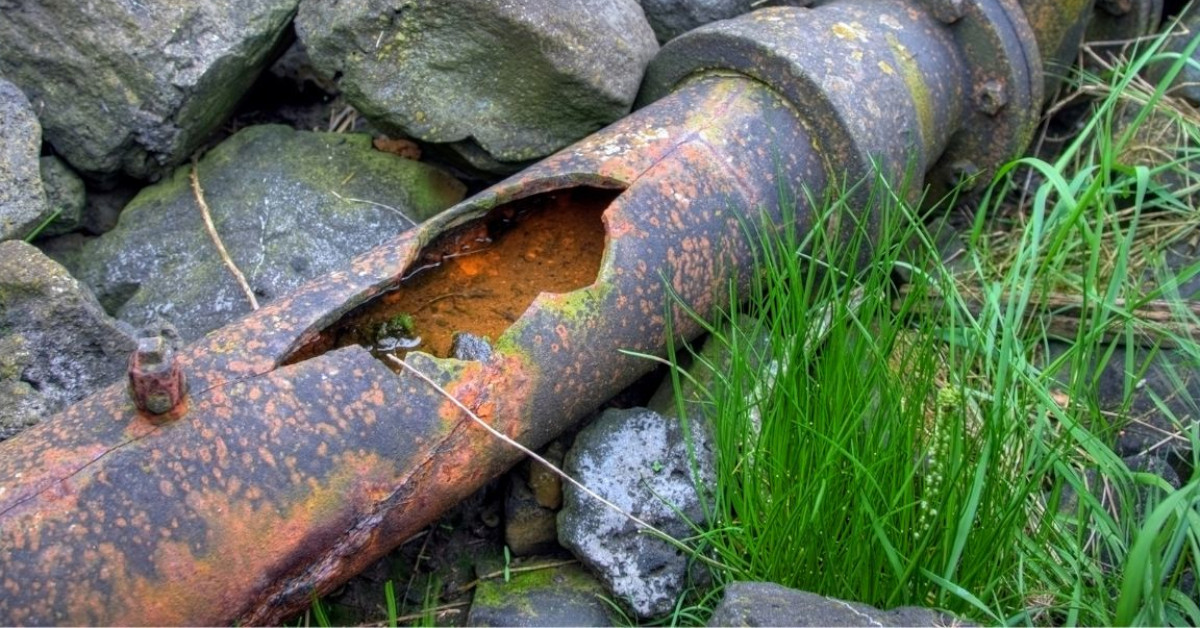
The internet is full of hacks for cleaning drains. But when it comes to a 50+ year old cast iron sewer main, DIY tactics are far more dangerous than the problem they’re trying to solve.
Corrosion Becomes a Collapse
Many homeowners reach for "heavy duty" chemical descalers. These products are usually sulfuric acid or highly caustic. They cannot distinguish between rust, scale and the iron pipe. If your pipe is already thinned by 50 years of use, the chemical will eat through the bottom of the line (channel rot), leading to a total structural collapse.
We have seen $20 bottles of main line cleaners result in $15,000 emergency excavations.
Big-Box Rental Snake Disasters
Renting a 100-foot drain snake from a hardware store is a high-risk gamble. These rental machines are poorly maintained and use thin, flimsy cables. A professional descaling auger is thick and rigid- a rental snake is floppy. If the rental snake hits a heavy mass of scale or a root intrusion, it can corkscrew on itself. This results in the cable getting stuck inside your pipe.
Now you don't just have a clog, you have 100 feet of steel cable lodged under your foundation. (And you just busted your rental equipment.)
Drain Descaling Injuries
Chemical drain cleaners create intense heat. If you pour these into a standing water backup and then try to plunge it, the caustic liquid splashes back into your eyes or onto your skin, causing permanent scarring or blindness. The fumes from these chemicals in a confined laundry room or bathroom can cause respiratory distress.
The NIH reports over 3,000 Americans end up in the ER with chemical drain cleaner burns every year- please don’t be one of them.
How to Descale Cast Iron Sewer Pipes? Call a Plumber
Descaling is a necessary maintenance procedure for your aging cast iron sewer line. You are dealing with aging metal that’s been buried in shifting soil and subjected to five decades of chemical and physical stress.
The single most important step in the process isn't the cleaning- it’s the diagnostic camera inspection. A professional should always show you the "before" footage of your pipes and explain why they are recommending jetting or augering. If a plumber arrives and starts working without a camera, they are flying blind with your foundation at stake.
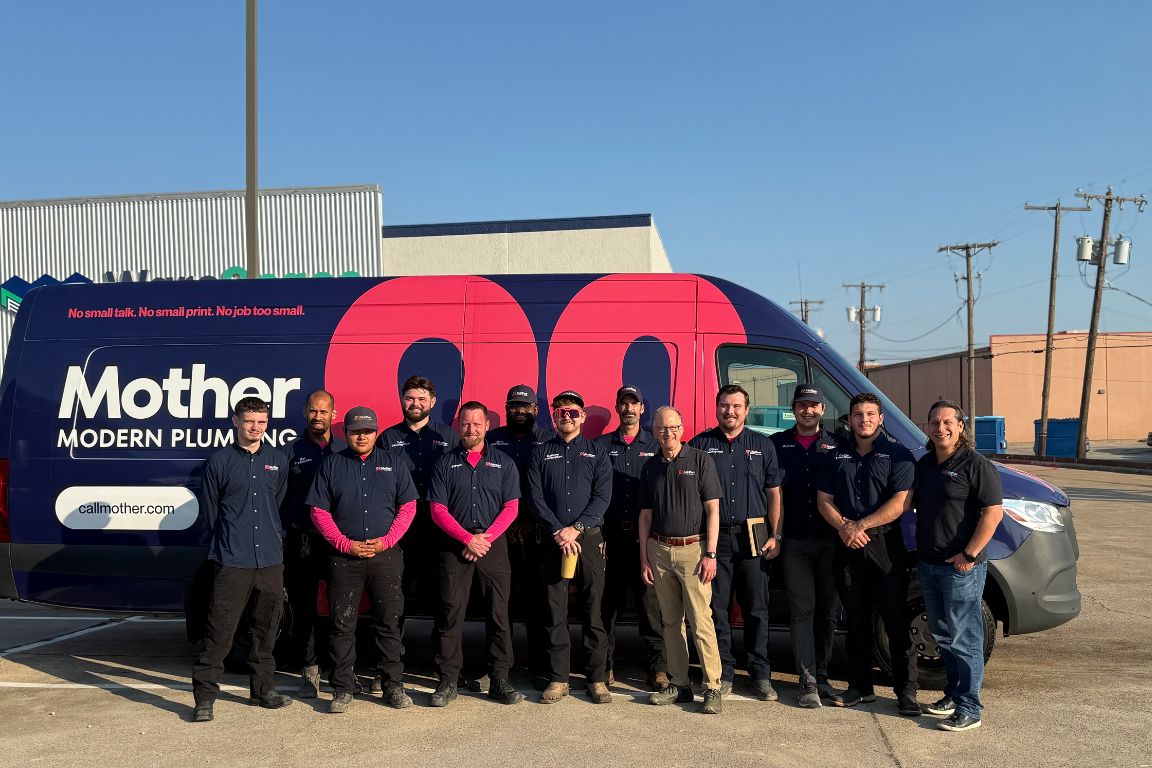
At Mother, we start with a forensic camera inspection followed by a fixed-price cleaning plan. We’ll show you the scale, we’ll show you the solution, and we’ll show you the proof that the line is clear.
Need sewer cleaning solutions in DFW? Call Mother 24/7 for expert diagnostics, hydro jetting and augering service.
{{sewer-cleaning="/services/sewer-cleaning"}}