Fast Plumbing Answers: What Is a P-Trap?
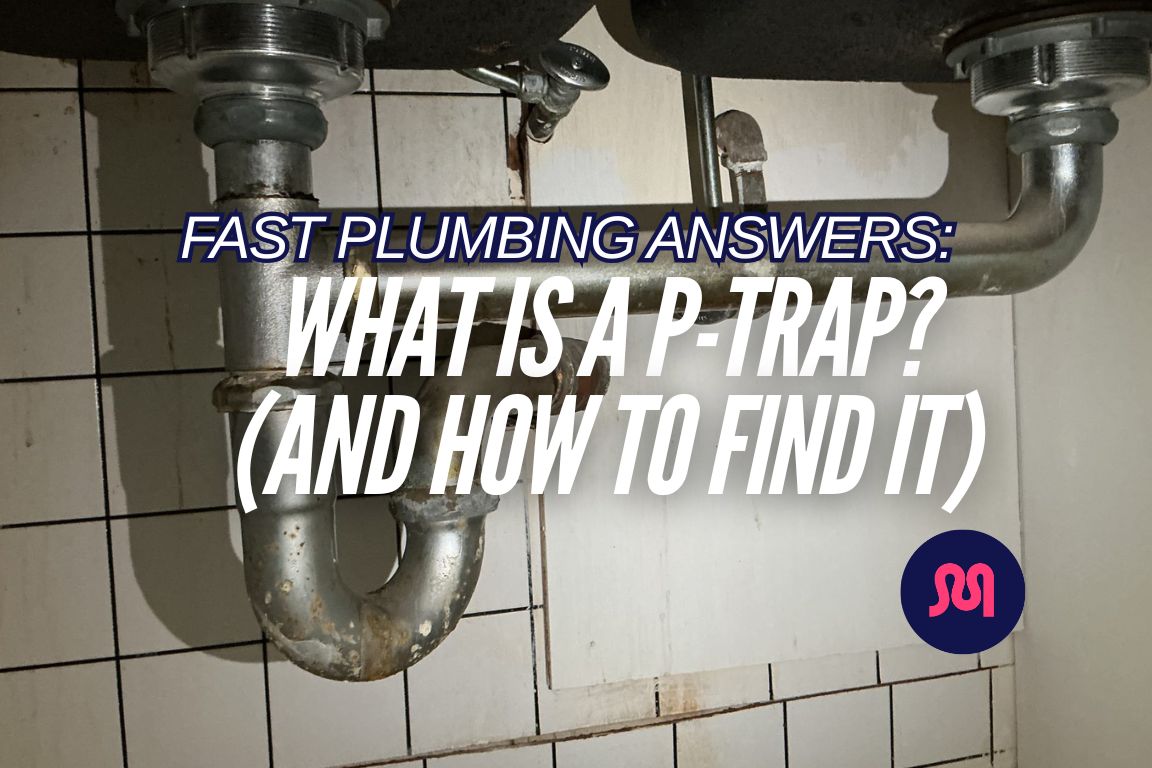


table of contents
table of contents
What keeps the nasty smells from your sewer from coming back up your sink and toilet drains? That’s your p-trap: the little U-shaped pipe underneath your drains. But what exactly is a p-trap? How does it work, and how do you know if it’s not doing its job?
Don’t worry: we’ll answer all your questions in 2 minutes or less.
Mother Modern Plumbing is committed to a maintenance-first approach to drain cleaning- we save homeowners money by avoiding repairs and clogs before they start. Keeping your p-traps wet and clean solves many of your home’s drainage issues.
Dealing with a clogged drain in DFW? Call Mother 24/7 for fixed-rate drain cleaning service anywhere in the Metroplex.
{{drain-cleaning="/services/drain-cleaning"}}
What Is Your P-Trap’s Important Job?

Think of your p-trap as a "stink shield" for your house. Your sewer lines are full of dirty water and noxious gases like methane. Without a p-trap, those gases would float right up your pipes and into your kitchen or bathroom.
The p-trap’s job is to sit there and hold a small amount of water at all times. This water creates a solid wall that air cannot get through. It keeps the "outside smells” out and the inside air fresh.
It also helps catch small items, like a wedding ring or a coin, before they wash away into the deep sewer lines.
{{fast-plumbing-answers-why-does-my-sink-drain-smell="/blogs/fast-plumbing-answers-why-does-my-sink-drain-smell"}}
How To Find Your P-Trap
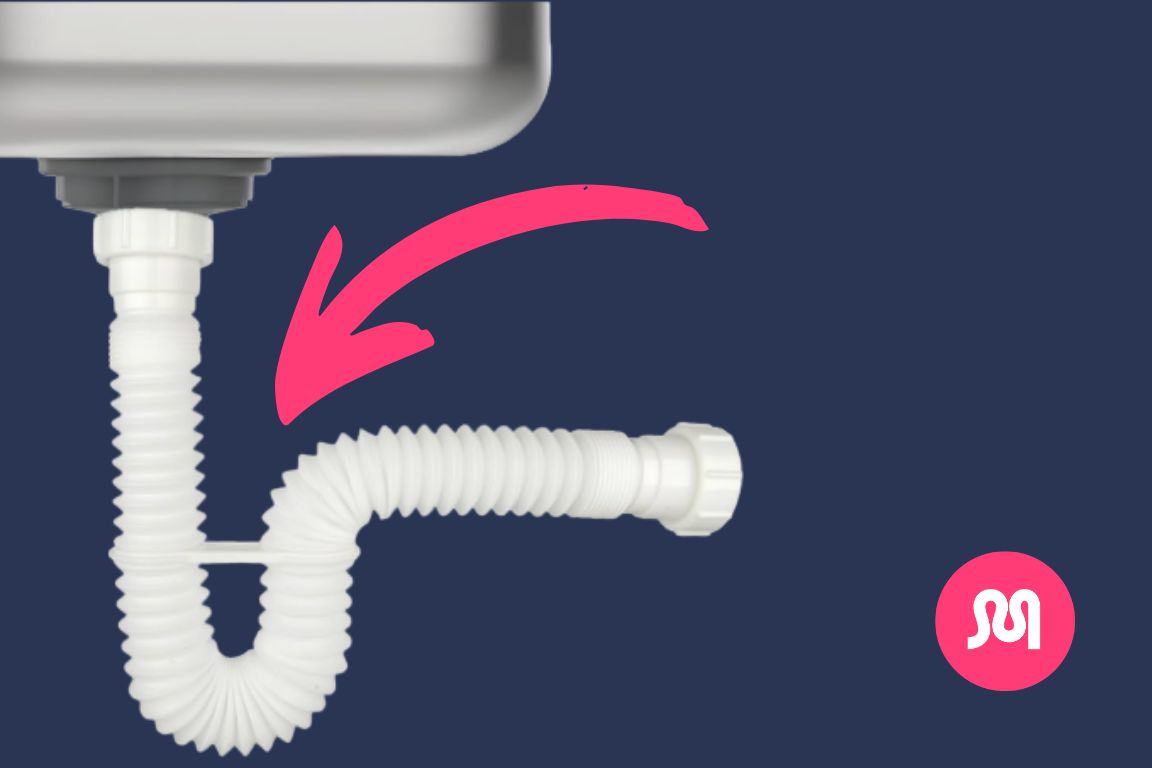
Finding a p-trap is easy. Open the cabinet doors under your kitchen sink or bathroom sink vanity. Look at the white or black plastic pipe coming down from the drain. You will see a section where the pipe dips down and then comes back up in a U shape. That dip is the p-trap.
Every drain in your house has one, even if you can’t see it.
- Under sinks: It’s right there in the cabinet.
- Toilets: The trap is built into the porcelain base of the toilet itself.
- Showers and tubs: The p-trap is hidden under the floorboards or inside the crawlspace.
How Your P-Trap Works
P-traps function using simple gravity. When you run the faucet, water flows down the pipe and pushes the standing water out of the trap. When you turn the faucet off, a little bit of water gets caught in the bottom of the U shape.
Water is heavier than air, so that little pool stays put. It seals off the pipe completely. As long as there is water in that trap, sewer gas is trapped on the other side. This is why a p-trap only works if it stays wet. If the water evaporates, the seal is broken.
{{fast-plumbing-answers-drain-not-working="/blogs/fast-plumbing-answers-drain-not-working"}}
Signs Your P-Trap Isn’t Performing Properly
It’s not hard to tell if your trap is failing. Your home will usually give you two very clear signals:
- Smell Test: If you walk into a bathroom and smell rotten eggs or sewage, your p-trap is likely dry. This happens a lot in guest bathrooms or laundry rooms where the sink isn't used for weeks. The water evaporates, and the gases move in.
- Gurgle Test: If you hear a "glug-glug" sound when water goes down the drain, your trap is partially clogged. When hair or soap scum gets stuck in the curve, it slows down the water and creates air bubbles.
What To Do If Your P-Trap’s Failing
If you smell sewage, the first thing to do is run the water. Turn on the faucet for about 30 seconds. This refills the trap and resets your “stink shield”. Most times, the smell will disappear in minutes.
If the drain is slow or gurgling, you might need to clean the trap. Most sink p-traps have slip nuts that you can unscrew by hand. Here’s what to do:
- Put a bucket under the sink.
- Unscrew the two nuts holding the U shaped piece.
- Pull the pipe off and dump the gunk into the bucket.
- Rinse the pipe and put it back on.
If these four DIY steps don’t work, the problem likely lies beyond your p-trap- it’s time to call a plumber. They’ll send a camera down your drain or inspect the vent stack on your roof.
Protect Your P-Trap, Protect Your Drains

The best way to take care of your p-traps is to use them. Every week, run a little water down every drain in your house- including the guest shower and the utility sink. This prevents evaporation and keeps your "stink shield" strong.
Avoid using harsh chemical cleaners. Those acids can sit in the bottom of your p-trap and eat away at the pipes or the rubber seals. If water doesn't solve the problem, it’s usually time for a professional mechanical cleaning.
Keeping your traps healthy is the easiest way to avoid a drain clog or backup. It’s a simple part of your home’s bones that does a very big job.
Call Mother 24/7 for a fixed quote on same-day drain cleaning in the DFW Metroplex.
{{drain-cleaning="/services/drain-cleaning"}}