Cost to Install a Tankless Water Heater in Dallas: 2026


table of contents
table of contents
The idea of switching from a traditional water heater to a tankless unit in Dallas is tempting. The tax credit, potential rebates and insurance benefits, plus savings on your energy bill. But with higher installation costs, is your tankless really going to pay itself back over time?
At Mother, we’ve installed hundreds of tankless water heaters in Dallas area homes. Our licensed plumbers know the true cost of putting a tankless in your house- not just the price to buy, but the cost of installation, upsizing gas and electrical and changes to your venting and drainage.
Most homeowners pay between $6,000 and $12,000 for purchase and installation of a residential tankless water heater in Dallas. Labor makes up the majority of installation costs- the rest is determined by product selection, gas line upsizing and venting and drainage upgrades.
Interested in a tankless upgrade in Dallas? Call Mother 24/7- our licensed techs provide the first available appointment and clear, no-surprises pricing.
{{tankless-water-heater-installation="/services/tankless-water-heater-installation"}}
Average Cost of Tankless Installations in Dallas, TX
Homeowners in Dallas, TX pay between $6,000-$12,000 for tankless water heater installation. This all-in price includes seven items:
- Labor costs
- Purchase price of tankless unit
- Cost to upsize gas line infrastructure
- Cost of venting and drainage
- Cost to upgrade electrical panel (if needed)
- Roofing materials (sometimes)
- Permits
Despite Dallas being a large metropolitan market, the average cost of tankless installation here is roughly identical to the national average. The increased costs of high labor demand are offset by better natural gas and liquid propane infrastructure.
Installation costs in high-demand locations
We receive more requests for tankless installation in these four DFW-area locations than any others:
- Southlake
- The Park Cities (Highland Park and University Park)
- Preston Hollow
- Plano
Due to specific issues like labor demand, median home age, and older cast iron pipe systems, the cost to install tankless units in these zips is slightly different than the Dallas average.
Here’s what homeowners in these locations can expect to pay for tankless installation.
TABLE: Tankless Water Heater Installation Cost by DFW-Area City
Hey Wait- Why Does Google Say the Cost is Different?
It’s a fair question, with a simple answer: our numbers aren’t higher, they’re honest.
Most tankless installation cost guides cover the purchase price of your tankless, and the cost of installation in perfect circumstances. This isn’t realistic for most homeowners for 5 reasons:
- Your gas lines probably aren’t big enough. We’ve had to upsize the existing gas lines in nearly every home where we’ve installed a new tankless. Most systems need at least a ¾” gas line to function properly. This can cost anywhere from $750-$2,000+.
- Your venting needs an upgrade. New venting for gas tankless water heaters costs at least $500 for most homeowners.
- Potential electrical panel overhaul. If your home’s current panel can’t handle the significant load increase of your new tankless, you may need a new panel.
- You’re cutting holes in the roof. The cost of new shingles and flashing isn’t much, but it’s $70-$80 most guides neglect to add into their estimates.
- Don’t forget the permits. These are minimal costs in the grand scheme of things, but most cost guides fail to address the cost of permits.
We understand that listing these added costs makes our numbers “less sexy” than other guides. But we’re plumbers- nobody’s paying us to be sexy.
The 3 Key Drivers of Tankless Installation Costs

The overall cost to install your new tankless water heater comes down to three factors:
- Product selection. Which tankless water heater are you buying? How large is its capacity, and do you need one or multiple units?
- Gas. Most homeowners need to upsize their existing gas line infrastructure to handle the needs of a new tankless system.
- Venting. Dallas homes typically don’t have all the necessary venting a tankless requires. This is particularly true in older homes in areas like University Park and Lakewood.
Tankless Prices Are Driven By Size First, Brand Second
When comparing the purchase price of tankless water heaters, the brand you choose is the second biggest driver of cost. The real price difference has to do with the size of the tankless unit you need.
When we talk about the size of a tankless, we don’t mean its physical length or width. We’re talking about its maximum water output: how many gallons per minute (GPM) can the device deliver throughout your home?
Example: a 10.1 GPM tankless water heater is able to provide 10.1 gallons of hot water per minute to your household.
The cost difference between products at each size (in GPM) is marginal- usually between $75-$250 per unit.
By comparison, the cost difference between a 7 GPM unit and an 11 GPM unit is between $900 and $1,100.
Tankless unit cost by size (in gallons per minute)
Compare the average purchase cost of gas tankless water heaters at five different size ranges:
What size tankless water heater is right for your needs? Use our updated sizing guide to find the best tankless for your home.
{{fast-plumbing-answers-how-to-size-a-tankless-water-heater="/blogs/fast-plumbing-answers-how-to-size-a-tankless-water-heater"}}
How many tankless units does your home need?
In some larger homes, installing multiple tankless units is a smart choice to ensure endless hot water. These are some use cases where installing 2+ tankless water heaters makes sense:
- Large families. 5+ family members means 5+ showers, tons of laundry and dishes.
- High peak usage. 3 showers running at once, plus your kid’s doing laundry? That’s a nightmare, even for one high-efficiency tankless. A second unit might make sense for you.
- Lots of square footage. In large homes where water-using fixtures and appliances are far apart, it’s smart to keep units close to where they’re needed.
Example: If your home needs 14 GPM of hot water, you’re far better off installing two 7.5 GPM units than struggling to survive on one 11.2 GPM system.
Assume your total installation cost applies to each tankless unit- two tankless devices equals 2x the cost. Each unit requires its own upsized gas line and venting, plus the labor associated.
Do You Need to Upsize Your Gas Line?
You’ll need a minimum ¾” gas line to supply the necessary power for your new tankless water heater. If you don’t have a ¾” gas line running to your tankless’ location, you’ll need to upsize.
If you have a particularly long gas line run with multiple bends, plus 2-3 other gas appliances on the line, you may need to upsize to a 1” pipe or more.
Main cost drivers of upsizing your gas line for a tankless
Consider these two factors as you review your plumber’s quote to upsize your gas line:
- Total BTU load: The gas line must accommodate the total BTU needed for your tankless plus any other gas appliances on the same line (like your furnace). For example, if your tankless is 199,000 BTU and your furnace is 80,000 BTU, you’ll need a gas line that handles a minimum BTU load of 279,000.
- Gas line length: As gas moves through a pipe, friction and changes in direction lower its pressure (“pressure drop”). On longer gas line runs, a larger pipe may be needed to overcome the pressure drop.
Gas line upsizing cost by pipe size
As a general rule, add $1-$2 per foot every time your gas pipe increases in diameter by ¼”. Here’s a quick guide for black iron pipe materials:
Venting and Drainage: A Commonly Forgotten Cost
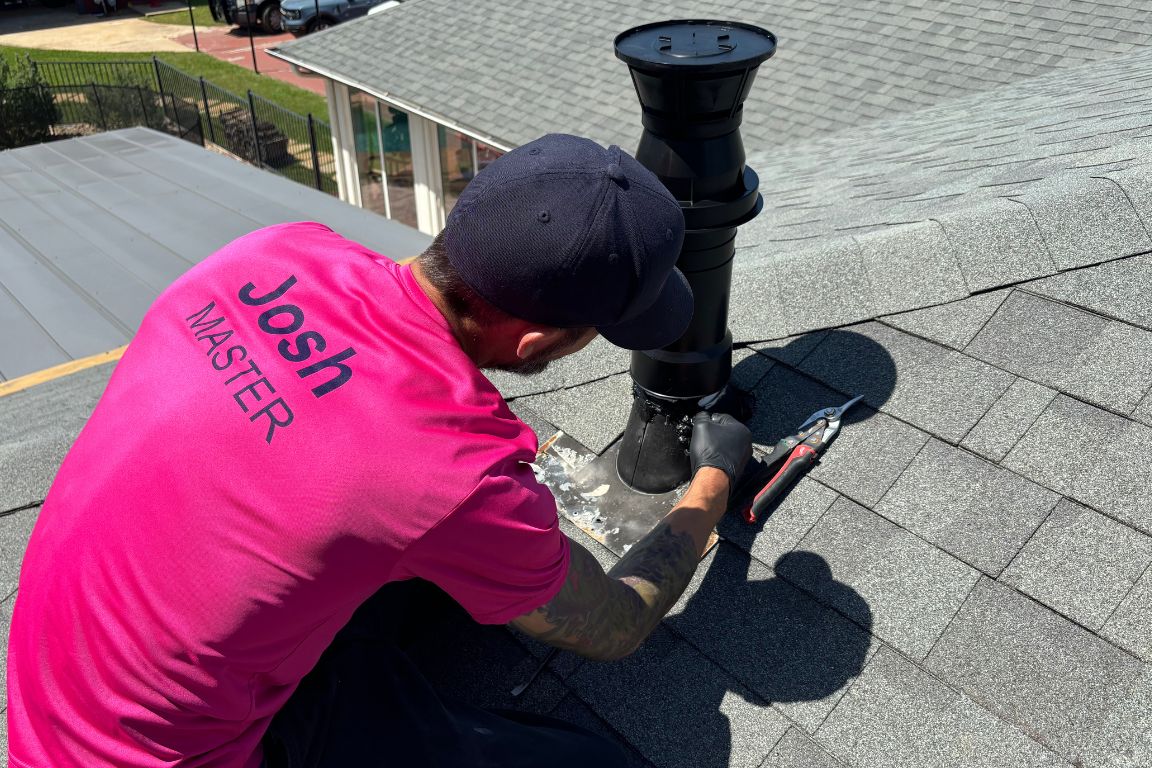
It’s easy for homeowners to overlook the cost of venting and drainage as part of their tankless installation quote. But the cost of running a new vent (or two) to your roof plus the necessary drainage adds $750-$2,300 to the average installation project.
Venting and drainage for condensing units
Condensing units improve energy efficiency by 20% or more over non-condensing tankless systems. That said, they do require a few extra considerations during installation.
Here are the six factors that drive the cost of venting and drainage for condensing tankless units:
- Materials: Use Schedule 40 PVC or CPVC pipes. Don’t use metal- the condensate is acidic and will corrode metal pipes.
- Separate venting: Your condensing tankless unit cannot share a common vent with another appliance.
- Drain line air vent: This vent must exist to prevent drainage backups into your tankless.
- 1 or 2 vents? Concentric venting requires one line (and hole in your roof or wall), while two-pipe systems require two.
- Neutralizer: A neutralizer reduces the acidity of the condensate before it’s flushed.
- Drain location: The tankless unit’s proximity to a floor vent, utility sink or outside drain affects installation costs (longer distance = higher cost).
Venting for non-condensing units
Non-condensing units are less energy efficiency than condensing tankless water heaters, but there are slightly less stringent installation requirements. Since the unit doesn’t produce any condensate, there’s no need for specific drainage.
Here are the four cost drivers of venting for non-condensing tankless systems:
- Materials: High-temperature stainless steel pipe is preferable to handle the heat- regular galvanized pipe will corrode, and PVC will not survive.
- Usually a single vent: Most non-condensing units have concentric vent systems, which only require one pipe (and one hole in your roof or exterior wall).
- Clearances: Be sure your exhaust vent is well clear of any combustible liquids or materials- even if this means a slightly longer run.
- Separate venting or chimney: As with condensing units, your non-condensing tankless cannot share an exhaust vent or chimney with another appliance.
You’ll have to replace some roofing materials
You’re either cutting one or two holes in your roof or exterior wall depending on the venting requirements of your new tankless. A two-pipe system runs separate 2”-3” pipes, while concentric single-pipe systems typically run one 5” pipe.
If your contractor can’t save the existing shingles, you’ll need to buy a new bundle, plus some flashing materials to surround the new vents. Your all-in cost is between $70-$80.
Tankless Water Heater Installation Cost Breakdown
Here’s a breakdown of average costs associated with each component of tankless water heater installation.
Labor is the largest percentage of tankless installation costs
Labor accounts for 45-50% of the total installation cost of your tankless water heater. This is largely due to the complexity of upsizing your gas lines, installing your venting, and accounting for any upgrades to your electrical panel.
Expect to pay 3-5% over average labor costs in densely populated metropolitan markets, where skilled plumbing labor is in higher demand.
Pro tip: Hire a licensed plumber that’s certified to install your brand of tankless water heater. Rinnai, Navien and other top brands provide certification to contractors with a deep working knowledge of their systems- this is likely a requirement for claiming your product warranty.
Percentage breakdown of tankless parts, pipes and supply lines
Here’s the cost of each major part and component of tankless water heater installation, broken down as the percentage of your total quote:
- Tankless unit: 13-19%
- Gas line: 17-20%
- Venting and drainage: 15-20%
- Electrical upgrades: 24-25%
- Roofing materials: 0.5-1%
Gas tankless installs are worth it in Dallas- electric installs aren’t
While natural gas and liquid propane (LP) tankless units pay themselves back over time due to increased energy efficiency and utility savings, the same cannot be said for electric tankless water heaters in Dallas.
The mandatory electrical upgrades needed to accommodate electric tankless units in Dallas homes is simply too expensive for most residents to ever see total product payback, let alone long-term savings.
{{are-electric-tankless-water-heaters-good="/blogs/are-electric-tankless-water-heaters-good"}}
Call Mother for Tankless Water Heater Installation in Dallas
Expect to pay between $6,000-$12,000 to install a tankless water heater in your home. The price of installation is primarily driven by labor costs, and the greatest variable in price is the size of your tankless unit (in gallons per minute, or GPM).
The high BTU needs of your tankless usually requires upsizing your gas line to a minimum of ¾”- this is roughly 17-20% of your budget. Expect another 15-20% of installation costs to go to venting and drainage.
Although it’s a bit more expensive, a natural gas condensing tankless water heater is your best option for long-term buyback and savings on your energy bills.
Dallas: ready for a new tankless water heater? Call Mother 24/7- we’re here with fast scheduling, fully-loaded trucks and clear, no-hassle pricing.
{{tankless-water-heater-installation="/services/tankless-water-heater-installation"}}