Hydro Jetting vs. Snaking: Comparing Sewer Cleaning Options


table of contents
table of contents
Our Responsible Master Plumber Steven Smith added significant value to this popular article with deep insights on use cases, cost and long-term savings. Read why hydro jetter services are best for most homeowners, and the specific use cases where sewer snaking is a good short-term solution.
You've got a clogged sewer line and two different quotes sitting in front of you. One plumber says snaking will fix it for $600. Another proposes hydro jetting for $1,400. You're staring at an $800 difference, and you have no idea which one is the right long-term play for your home.
At Mother, we've cleared hundreds of sewer blockages across Dallas-Fort Worth in the last two years. We find hydro jetting delivers better long-term value for most homeowners because it removes the buildup causing your blockages, not just the symptoms. But snaking has its place for specific situations (like simple single clogs and old, fragile pipes).
Use this guide to frame your decision- not just compare features. You'll learn how to diagnose your specific situation, understand the true cost over time, and choose the solution that actually solves your problem instead of just delaying it.
Ready for sewer cleaning in Dallas? Call Mother 24/7- our experienced techs provide the single best solution for your home’s unique sewer system.
{{sewer-cleaning="/services/sewer-cleaning"}}
Comparing Snaking and Hydro Jetting Side by Side

Don't have time for a deep dive? Here's a summary of everything you need to know about snaking vs hydro jetting- we'll get into greater detail throughout the article.
The Key Differences That Matter
Snaking is cheaper but faster.
- ✅ Lower upfront cost
- ✅ Faster service completion
- ✅ Effective for physical blockages
- ✅ Great first step for simple clogs
- ⛔ Only creates a path through blockages
- ⛔ Leaves behind internal scale buildup
- ⛔ Can damage older pipes with rotational torque
- ⛔ Requires repeat visits- increased long-term cost
- ⛔ Doesn’t fix structural problems (like collapsed sections)
Hydro jetting is more expensive upfront, but more thorough.
- ✅ Thorough pipe cleaning
- ✅ Restores original pipe diameter
- ✅ Removes all buildup including grease, scale and roots
- ✅ Prevents future clogs by scouring pipe walls
- ✅ Generally safer for fragile pipes
- ✅ Longer-lasting cleaning- decreased long-term cost
- ⛔ Higher upfront cost
- ⛔ Overkill for simple clogs in new pipes
- ⛔ Requires initial camera inspection
- ⛔ Doesn’t fix structural problems (like collapsed sections)
Make Your Decision in 3 Simple Questions

Before you compare features or argue about price, answer these three questions. Your answers will tell you which solution makes sense for your home.
Question 1: Is This Your First Clog or Does It Keep Coming Back?
If this is your first clog in this drain line: Snaking is probably your answer. A one-time blockage from toilet paper, wipes, or other debris responds well to mechanical clearing.
If you've cleared this line before and the clog returned within 6-12 months: You don't have a clog problem- you have a buildup problem. Something is coating your pipe walls (grease, scale, roots) and snaking just punches a temporary hole through it. You need hydro jetting to remove what's actually causing the recurring blockages.
Question 2: Can You Identify What Caused It?
If you know exactly what went down the drain: A toy, too much toilet paper, a wad of baby wipes- snaking can pull it out or break it up.
If it's a mystery, or you notice slow drains throughout your home: This points to buildup on your pipe walls rather than a single object. Kitchen drains slow from grease. Older pipes develop mineral scale. Tree roots create a mat of fine root hairs. Snaking can't remove any of these- it just creates a temporary path through them.
If multiple drains are slow at once: This indicates a main line problem with significant buildup. Hydro jetting is almost always the right solution here.
Slow drains in the bathroom? Find out if your tub drain has a simple clog or a more severe sewer blockage in 3 minutes or less.
{{fast-plumbing-answers-why-is-my-tub-draining-slowly="/blogs/fast-plumbing-answers-why-is-my-tub-draining-slowly"}}
Question 3: How Old Is Your House and What Are Your Pipes Made Of?
If your home was built after 1990 with PVC pipes and you have no large trees nearby: You probably don't have buildup issues yet. Snaking handles most clogs in newer PVC systems effectively.
If your home was built between 1950-1980: You likely have cast iron pipes. Cast iron corrodes from the inside, creating rough surfaces where waste catches and builds up. These pipes benefit enormously from hydro jetting.
How long should your sewer pipes last? Find out the expected lifespan of Schedule 40 PVC, cast iron and other pipe materials.
{{how-long-do-sewer-lines-last="/blogs/how-long-do-sewer-lines-last"}}
Hydro Jetting vs. Snaking: The Quick Decision Tree
Choose snaking if:
- First-time clog in this line
- You know what caused it (physical object)
- Home built before 1980 with cast iron or clay pipes
- No large trees near your sewer line
Choose hydro jetting if:
- Clogs keep returning within a year
- Kitchen drain issues (grease buildup)
- Home built after 1980 (PVC pipes)
- Mature trees on your property cause root intrusions
- Multiple drains are slow simultaneously
Hydro jetting is great at removing roots. Find out why it’s the superior service for mature tree issues- and how to keep those roots at bay long-term.
{{fast-plumbing-answers-does-hydro-jetting-remove-roots="/blogs/fast-plumbing-answers-does-hydro-jetting-remove-roots"}}
Get a camera inspection first if:
- You're not sure which category you fall into
- A plumber recommended the expensive option and you want verification
Snaking: Punching a Hole Through the Blockage
Snaking uses a long, flexible metal cable with a cutting head that rotates at high speed. The plumber feeds it through your pipe until the cutting head hits the blockage, then either breaks it apart or hooks onto it for removal.
Think of snaking like using a drill bit to punch through a wall. You create a passage, but the wall is still there. The cutting head carves a path- typically 2-3 inches wide- that allows water to flow again. But anything coating the pipe walls stays right where it is.
What snaking removes: Toilet paper clumps, baby wipes, feminine products, small objects, main root masses blocking the pipe.
What snaking leaves behind: Grease coatings on pipe walls, mineral scale and corrosion, fine root hairs clinging to pipe surfaces, organic buildup and slime.
The job typically takes 1-3 hours.
When Snaking Excels
Choose snaking for these specific situations:
- First-time clog in a drain that's been working fine for years
- Known physical obstruction like a toy or excessive wipes
- Newer homes (built after 1990) with Schedule 40 PVC pipes
- Budget constraints and no pattern of recurring clogs
- Single slow fixture while other drains work normally
In these scenarios, snaking delivers exactly what you need at the best price.
Hydro Jetting: Scouring the Entire Pipe Clean

Hydro jetting uses a specialized hose with a high-pressure nozzle that shoots water at 3,000-4,000 PSI in multiple directions. The nozzle travels through your pipe while water jets blast away everything clinging to the walls.
Think of it like pressure washing your driveway. You're not just removing the visible dirt- you're stripping everything down to the original surface.
Hydro jetting is so efficient because it has two-directional jets: forward-facing jets that cut through blockages and backward-facing jets that scour the pipe walls. This removes not just the clog, but also the buildup that's been accumulating for years.
What hydro jetting removes: Heavy grease deposits, mineral scale and corrosion, tree roots (both large masses and fine hairs), organic slime and bacteria buildup, sand and sediment.
What hydro jetting can't fix: Collapsed pipe sections, severely misaligned joints, bellied pipes (sections that have sunk), pipes with major structural damage.
The process takes 2-4 hours because it includes camera inspection before and after to confirm your pipes can handle the pressure and verify complete cleaning.
When Hydro Jetting Excels
Choose hydro jetting for these situations:
- Recurring clogs in the same line within 12-18 months
- Kitchen drain problems indicating grease buildup
- Older homes (built 1950-1980) with cast iron pipes
- Tree root intrusion confirmed by camera inspection
- Smelly wet patches in your lawn or backyard
- Multiple slow drains throughout your home
- Sewer odors suggesting organic buildup
- Preventative maintenance for pipes with known issues
- Preparing for pipe lining or before selling a home
Most homeowners who snake their drains every year eventually schedule hydro jetting and wish they'd done it sooner. The cost-effectiveness of hydro jetting is simply better for people with recurring sewer blockages and clogs.
{{hydro-jetting="/services/hydro-jetting"}}
The True Cost: Cheap Now vs. Smart Long-Term

Snaking is cheaper than hydro jetting. But this tells you nothing about the long-term value of choosing the right service. Here’s a comparison of what you’ll pay, and how often.
Snaking: Cheap for Single-Visit Issues
Scenario: Single clog from a known cause in a newer home.
You pay $300-700 for snaking. The blockage clears. Your drains work perfectly for years. Total cost over 3 years: one snaking visit.
This is the ideal scenario for homes built after 1990 with PVC pipes and no tree root issues.
When Snaking Becomes Expensive
Scenario: Recurring clogs from buildup you didn't know existed.
- Month 1: Slow drains. You pay $500 for snaking. Works for 4-6 months.
- Month 7: Drains slow again. Another $500.
- Month 14: Same problem. Another $500.
- Month 20: You finally try hydro jetting for $1,200.
Total spent over 20 months: $2,700 ($1,500 on temporary snaking + $1,200 on hydro jetting after the third snaking appointment).
Our plumbers see this cycle play out regularly in DFW homes with cast iron pipes, mature tree root intrusions and significant grease use in the kitchen.
Hydro Jetting Saves You Money Long-Term
Let’s look at the same scenario, but choose hydro jetting as the first option:
- Month 1: Slow drains. You recognize the pattern (happened before, kitchen drain, older home). You pay $900-1,500 for hydro jetting.
- Months 2-36: Drains work perfectly.
Total spent over 36 months: $900-1,500 for one service instead of multiple snaking visits.
The Frequency Factor
If you’re considering sewer cleaning options, chances are your sewer pipes fall into one of these 5 categories.
Here’s how often you’ll need to schedule snaking or hydro jetting to address the issue, and which service is best over a 3-year period.
The pattern is clear: if you need service more than once every 2 years, hydro jetting costs less over time.
Hydro Jetting Solves These 5 Common Warning Signs
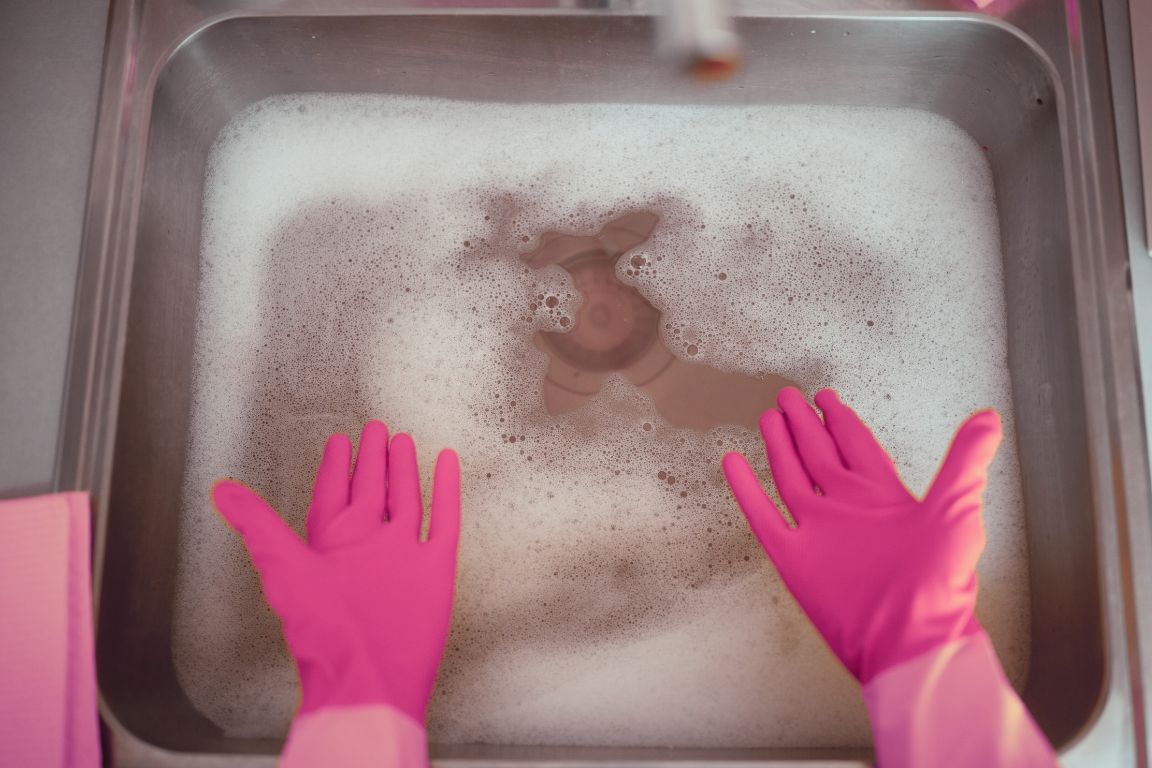
Most sewer blockages and severe drain clogs present these five common symptoms. Here’s why they happen, why they’re dangerous, and why hydro jetting is the best solution for them all.
1. Slow Draining Fixtures Throughout Your Home
Water takes forever to go down in multiple sinks, tubs, or showers.
What this means: Main line issue, not just a single fixture clog.
The right solution: If it’s the first time, try snaking. If it keeps happening, hydro jetting removes the coating on your main line.
Dealing with multiple slow-draining fixtures? Read our quick 3-minute guide for fast answers.
{{fast-plumbing-answers-fixing-multiple-slow-drains="/blogs/fast-plumbing-answers-fixing-multiple-slow-drains"}}
2. Bubbling or Gurgling Noises from Drains or Toilets
Strange gurgling sounds when you flush or run water.
What this means: Air is trapped because water can't flow properly past a blockage.
The right solution: Gurgling almost always indicates buildup or roots. This is a hydro jetting problem.
3. Foul Odors from Your Drains
Sewer gas smell coming from drains.
What this means: Organic buildup decomposing in your pipes, or pipe damage allowing gas to escape.
The right solution: Odors from buildup respond to hydro jetting. If odors persist after cleaning, you may have pipe damage requiring repair.
4. Clogs That Keep Coming Back
You clear a clog and it returns within weeks or months.
What this means: You're treating symptoms, not the cause. Something in your pipe is catching waste.
The right solution: Recurring clogs are the clearest signal you need hydro jetting.
5. Sewage Backups into Your Home
Wastewater backs up into your lowest drains- especially your shower.
What this means: Your main sewer line is completely blocked. This is an emergency.
The right solution: A backup requires immediate snaking to restore flow. Once the emergency is handled, schedule hydro jetting to prevent it from happening again.
What Can Go Wrong: Risks You Should Know About
Neither of these sewer cleaning solutions is foolproof. Here are the basic risks and situations where snaking or hydro jetting isn’t the best option for you:
Snaking Risks
- Pipe damage from excessive torque: The rotating cable can crack older cast iron pipes. Fragile pipes with existing corrosion are especially vulnerable.
- Incomplete clearing: The cable might punch through soft material but leave compacted blockages behind. You get temporary relief, then the clog returns within days.
- Root regrowth: Snaking cuts roots but leaves root hairs and the entry point open. Roots regrow within 6-12 months.
Hydro Jetting Risks
- Worsening existing damage: If your pipe has cracks, misaligned joints, or collapsed sections, high-pressure water can make the damage worse. This is why camera inspection before hydro jetting is essential.
- Creating problems in very old pipes: Extremely deteriorated pipes might fail under pressure. This typically happens in pipes that were already on the verge of collapse.
- Ineffective on structural issues: Hydro jetting cleans pipes- it doesn't fix bellied sections, misaligned joints, or collapsed areas. These problems require excavation and repair.
Camera Inspections Add Value and Safety
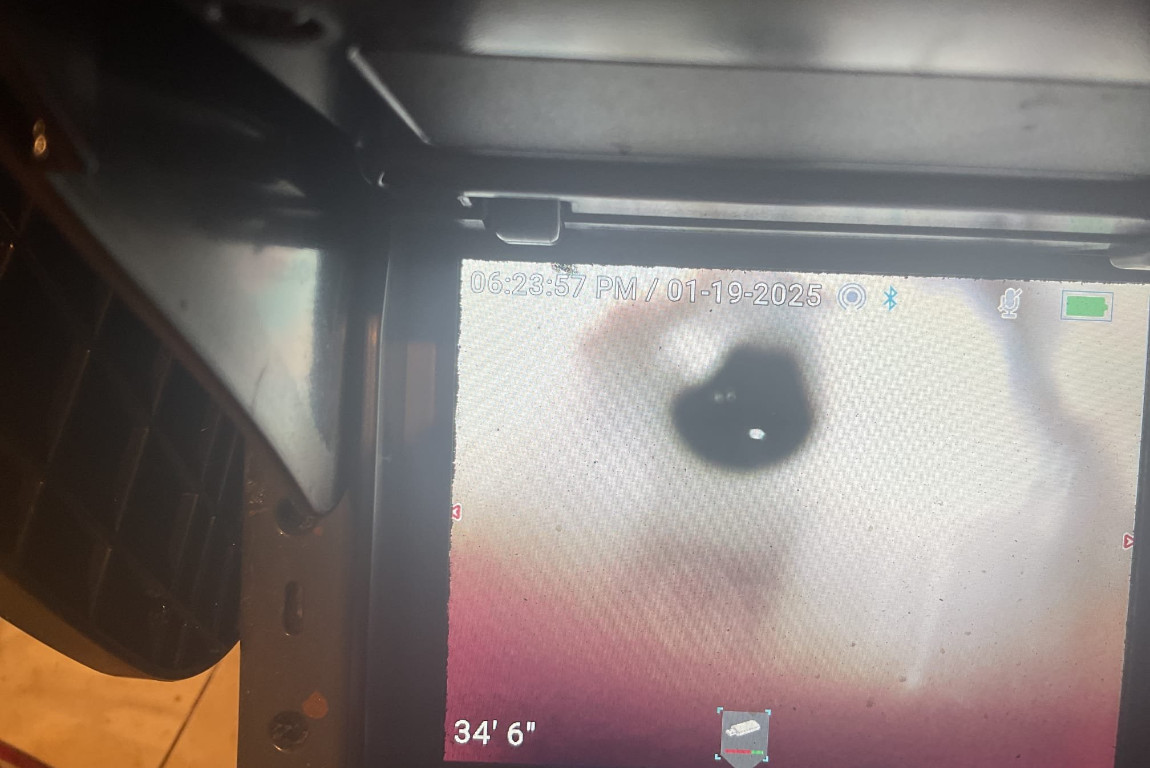
Reputable plumbers insist on camera inspection before hydro jetting- and you should too.
Pre-cleaning inspection confirms your pipes can safely handle high-pressure water. We look for cracks, separated joints, collapsed sections, and severe deterioration. If we see structural damage that makes hydro jetting risky, we tell you before starting.
Post-cleaning inspection verifies the job was done right. We confirm your pipes are completely clean- no remaining roots, scale, or grease. You see the before and after footage side by side.
Mother includes camera inspections with every hydro jetting service. If a plumber recommends hydro jetting without camera inspection first, that's a red flag.
{{camera-inspection="/services/camera-inspection"}}
Common Questions About Choosing Between Methods
How do I know if my plumber is recommending the right solution?
Ask these three questions, and you’ll know if you hired the right person:
- "Did you run a camera through my line?" If they're recommending hydro jetting without showing you footage, get a second opinion.
- "What did you see that makes you recommend this method?" They should explain specific observations- roots, scale, grease- not just "this is what we always do."
- "What happens if this doesn't work?" A good plumber explains the next step if their recommendation doesn't solve your problem.
What should a camera inspection show me before I agree to hydro jetting?
Your plumber should show you four specific things:
- The real-time condition of your affected pipes
- The pinpoint location and extent of your pipe damage
- The specific extent of buildup on your pipe walls
- Any root intrusions penetrating through joints or cracks
The footage should make it obvious why snaking won't work.
How can I tell if my pipes are too old or damaged for hydro jetting?
You can't tell without a camera inspection. Red flags that might indicate fragile pipes:
- Your home is 60+ years old
- Water pooling in your yard along the sewer line path
- Multiple cracks or settling in your foundation
- Previous plumbers mentioned "pipe damage" or "deterioration"
Hydro Jetting: The Right Choice for Most Homes

Hydro jetting delivers better long-term value for most homeowners because it removes the buildup causing recurring clogs- not just the symptoms. It costs more initially, but saves money over time for issues that require multiple snaking appointments.
Snaking remains the right choice for first-time clogs from physical objects in newer pipes. It's quick, affordable, and effective for simple blockages.
Mother Modern Plumbing's Master Plumbers use camera inspection to show you exactly what's blocking your line and recommend the solution that actually solves your problem- not just delays it.
Still have sewer cleaning questions in DFW? Call Mother 24/7 for expert insight- and the single best solution for your long-term peace of mind.
{{sewer-cleaning="/services/sewer-cleaning"}}