Fast Plumbing Answers: Should You Insulate Your Tankless?
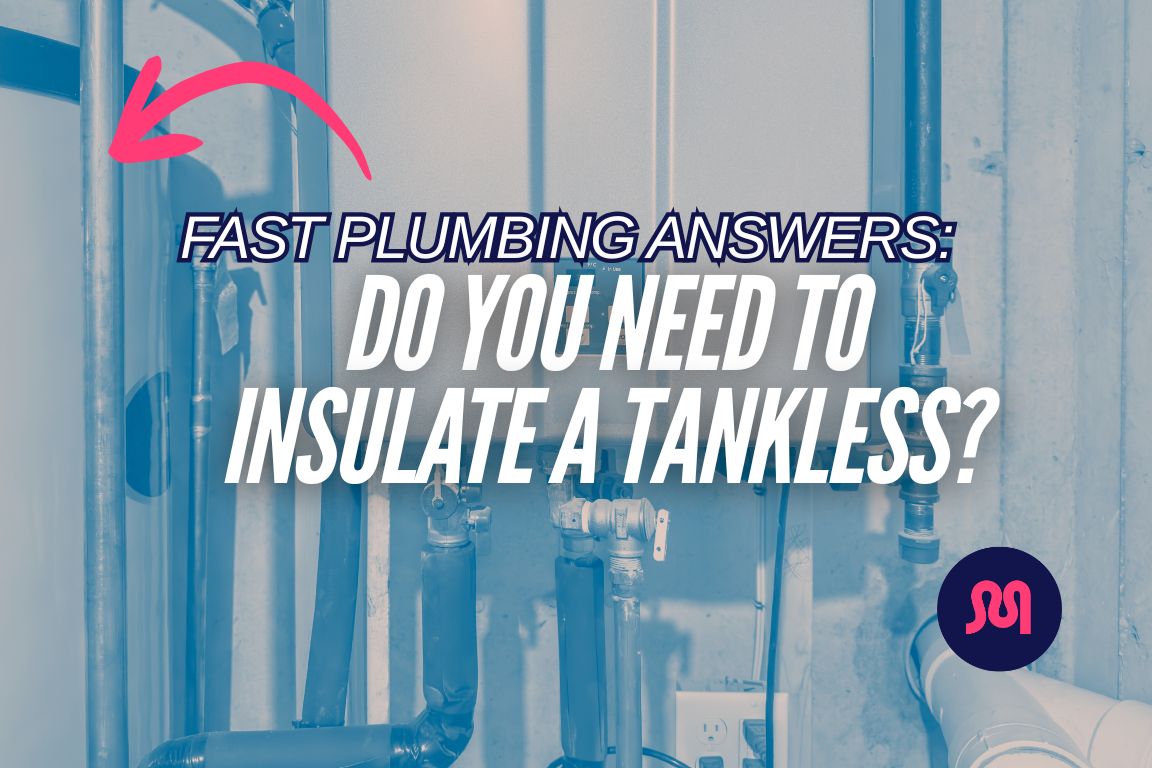


table of contents
table of contents
You switched to a tankless water heater to avoid burst tanks and corrosion, but you’re still worried about problems in colder months. You read a guide about how to insulate a tankless, but you’re not sure if it’s necessary- should you insulate yours, and when?
Don’t worry: we’ll answer all your questions in 2 minutes or less.
Mother’s team of licensed plumbers lives and works in the Dallas-Fort Worth Metroplex, and we’ve installed hundreds of tankless water heaters for our customers. While it’s not usually necessary to insulate the unit itself, it’s still important to protect the pipes and plumbing around your tankless system.
You should insulate your tankless unit if it’s installed outdoors, especially with little protection from freezing events. No matter where it’s located, take the time to insulate any pipes attached to the unit- especially exposed pipes in areas like your garage or crawl space.
Need tankless water heater service in Dallas? Call Mother 24/7- our team is always here to answer your call and schedule the first available appointment.
{{tankless-water-heater-repair="/services/tankless-water-heater-repair"}}
You Don’t Need to Insulate Your Tankless (If It’s Indoors)
Our Master Plumbers advise that homeowners should insulate their tankless units in 3 specific circumstances:
- Your tankless is located outdoors. Even if it’s sheltered by an enclosure, it’s still susceptible to freezing events, ice buildup and cold winds.
- You live in extremely cold conditions. If you live in places with brutal winters, like Minnesota, Michigan or Alaska, insulating your tankless may benefit you.
- Your tankless doesn’t have freeze protection. Rinnai tankless models come with freeze protection (among other brands). Check your product guide- if there isn’t a built-in mechanism to prevent freezing, insulate the unit.
If these circumstances don’t apply to you, you don’t need to insulate your tankless unit itself.
Buy a tankless water heater with freeze protection
Most quality tankless systems offer built-in freeze protection safeguards that protect the device down to a certain temperature. A few popular examples:
- Rinnai condensing tankless models offer freeze protection down to -22°F.
- Rheem condensing tankless models offer freeze protection down to -30°F.
- Navien condensing tankless models offer freeze protection down to 0°F, with protection down to -22°F on select models.
Note: This protection covers the unit itself and doesn’t generally offer the same benefits to the surrounding pipes.
Getting an error code on your tankless? Learn what every code means on Rinnai, Rheem and Navien units- and stop that beeping for good.
{{fast-plumbing-answers-tankless-water-heater-beeping="/blogs/fast-plumbing-answers-tankless-water-heater-beeping"}}
You Do Need to Insulate The Pipes Around Your Tankless
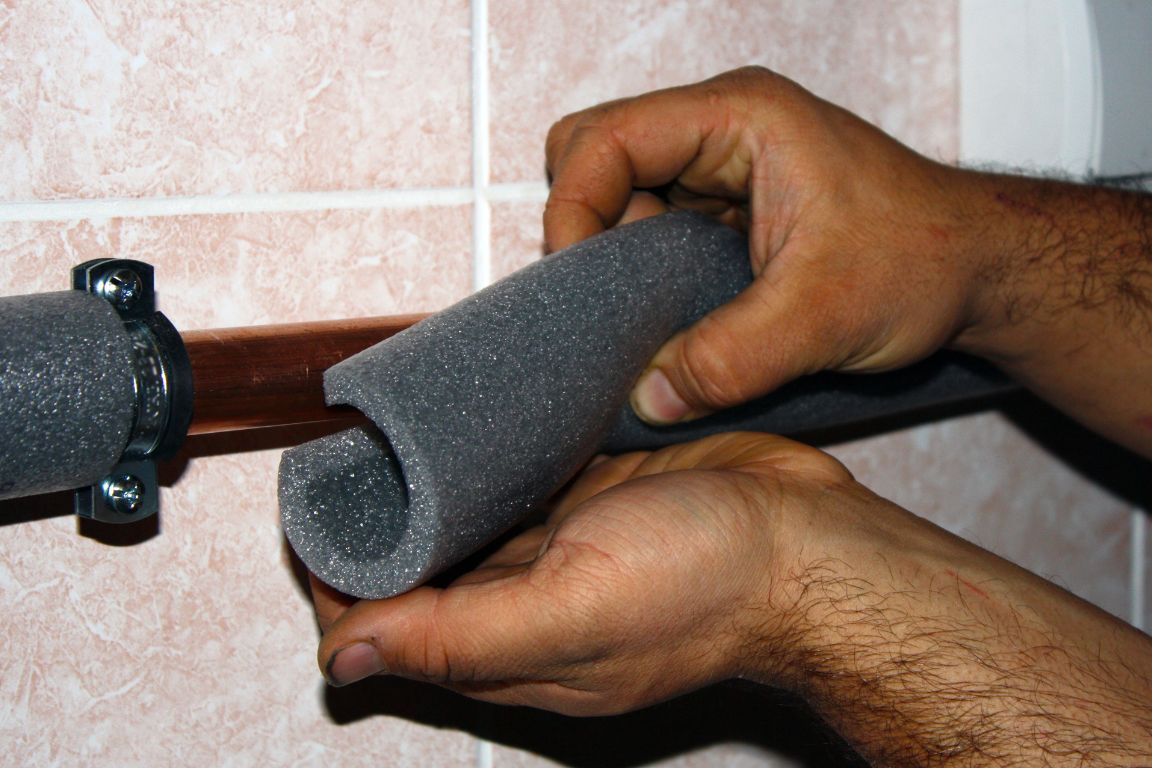
When plumbing guides talk about “insulating your tankless”, they mean the pipes going to and from your unit. They’re as susceptible to freezing and bursting as any other pipes in your plumbing system.
Here are the conditions where you need to insulate the pipes surrounding your tankless, in order of importance:
- Outdoor pipes. Pipes located outside the home aren’t sheltered from the elements and must be insulated in all circumstances.
- Pipes in garages and crawl spaces. These pipes are generally in uninsulated or less-insulated areas that are more exposed to cold weather conditions.
- Indoor pipes. As these pipes deliver and contain water at virtually all times (unless you’ve drained down your plumbing), insulate them for safety.
Simple DIY steps to insulate your tankless water heater pipes
It’s pretty simple to add insulation to the pipes attached to your tankless- here’s a quick DIY guide:
- Use foam or fiberglass sleeves. You can find these at Home Depot or any big box hardware store.
- Cut to fit. Don’t cover your venting with the material, and don’t block the relief valve. Cut down the material to fit the lengths of your pipes only.
- Secure with tape. Wrap the sleeves around your pipes and secure them with aluminum foil tape (best for high-heat conditions). It’s most important to secure the sleeves well the first 2-3 feet away from the tankless.
- Outdoors? Use waterproof tape. Waterproof pipe wrap tape from brands like Christy’s does the trick.
Don’t use duct tape! It fails and falls off extremely fast in hot or outdoor conditions.
Learn How to Winterize Your Tankless Water Heater
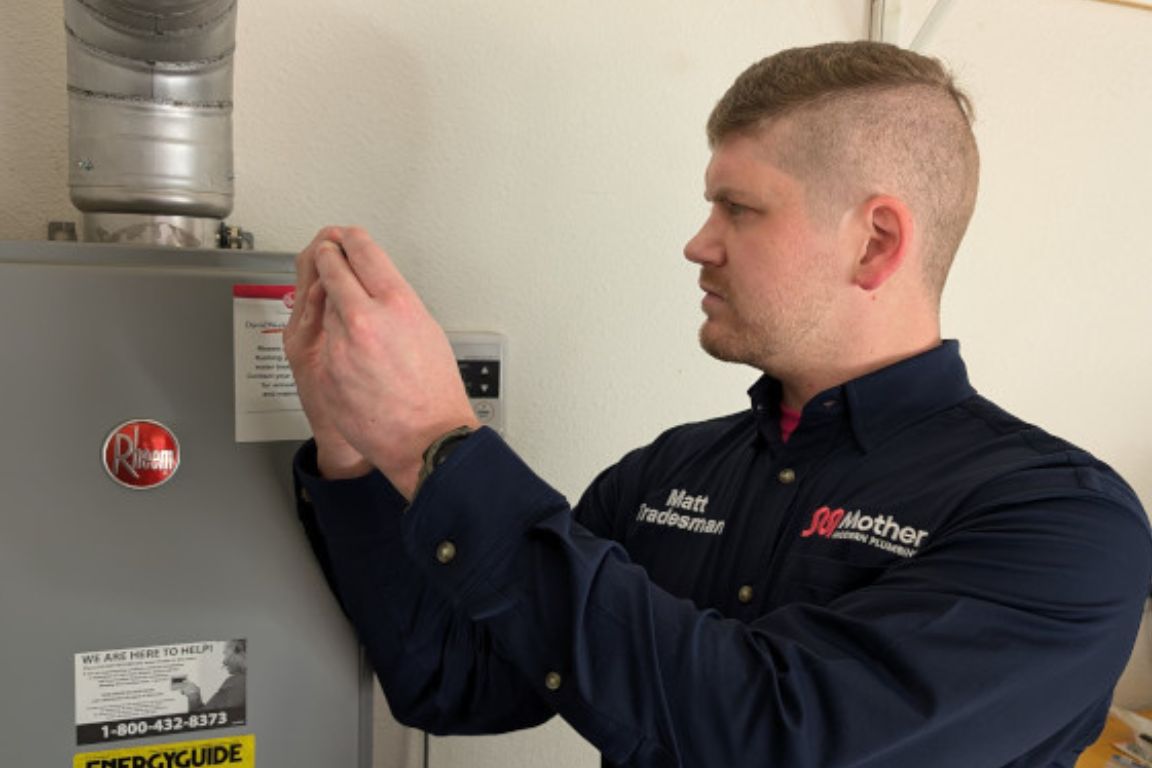
Leaving for a holiday or winter vacation? You know all about draining down your plumbing before you leave to avoid frozen pipes and untimely leaks and bursts.
The same applies to your tankless water heater system- if not moreso. Since there isn’t a tank of hot water, you run a greater risk of freezing than with a conventional water heater.
Our Master Plumbers compiled a quick checklist to successfully drain down and winterize your tankless:
- Shut off power and fuel source. Turn off the power, then turn off any gas, propane or electrical sources connected to the unit.
- Shut the valves. You’re looking for two valves in particular- close the main cold water inlet valve, and the hot water isolation valve.
- Drain cold water. Locate the cold water valve service drain. Attach a hose to the drain, and place the exposed end in a large bucket. Remove the drain cap, and completely empty the cold water from the system.
- Drain hot water. Proceed with caution here- avoid being splashed by hot water. Disconnect the hose from your cold water valve service drain, and attach it to the hot water service drain. Repeat Step 3.
- Disconnect the hoses. You’re done! Keep the drain caps off, and leave the system water-free until you’re home (or ready to use it again).
If your tankless water heater is outside, you may want to blow out any excess air from the unit using a low-pressure air compressor. Make sure the compressor is set to 45 psi or below, and operate in very quick bursts.
Always consult your user’s manual for brand-specific instructions. For example, Navien advises owners not to ever unplug the power supply cord except for routine maintenance.
If you don't feel comfortable handling these steps (especially #3 and #4), call a licensed plumber- we winterize tankless units in Dallas regularly.
Tankless taking forever to heat up? It’s not frozen- it’s either undersized or suffering from scale buildup. Get quick answers to this common problem in our new guide.
{{fast-plumbing-answers-tankless-water-heater-takes-forever="/blogs/fast-plumbing-answers-tankless-water-heater-takes-forever"}}
Frozen Tankless in Dallas? Call Mother for Expert Repairs
Unless you live in extremely cold climates or your tankless unit is installed outdoors, you don’t need to insulate the system- but it’s vital to insulate the pipes going to and from it. Use foam or fiberglass sleeves, and make sure to cut them to not block your vents or relief valve.
If you’re leaving home for winter vacation, winterize the unit using our simple DIY steps above. You’ll avoid coming home to a costly flooded garage or basement.
These tips apply to any location that experiences annual freezing events- even here in Dallas-Fort Worth where we’re located. If you’re already dealing with a frozen pipe or freeze damage to your tankless water heater, we’re here to help.
Need tankless repair in Dallas? Call Mother 24/7- priority scheduling means we’ll have a licensed pro to your home at the first available appointment.
{{tankless-water-heater-repair="/services/tankless-water-heater-repair"}}