CIPP Sewer Lining: When It Works, When It Doesn’t
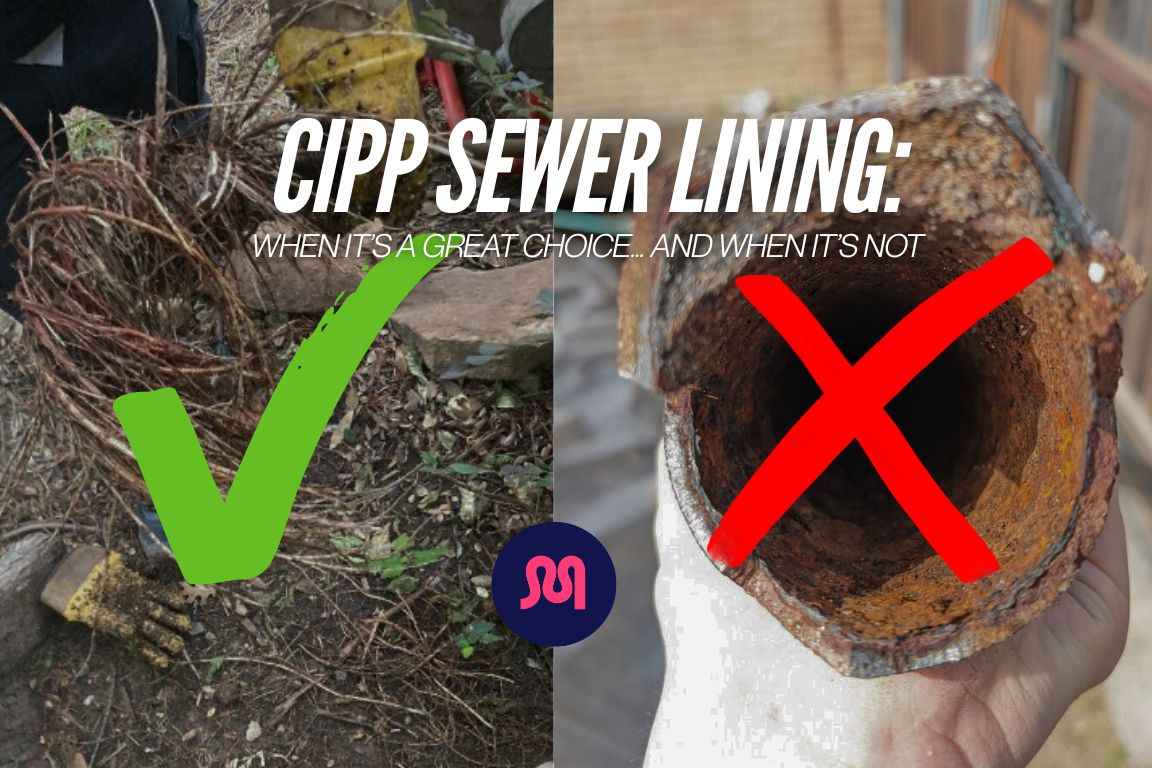

table of contents
table of contents
You've got a cracked sewer pipe dangerously close to your slab foundation or expensive hardscaping. A quick Google search mentioned “CIPP lining”, and it sounds great- no digging, cheaper fix, done in a day. But you aren’t sure if it’s the right solution for your specific case.
Our Master Plumber Willy Dayton has installed CIPP liners in hundreds of home sewer pipes across Texas and California. We asked him to share his knowledge in this article: the pros, cons, best and worst use cases of CIPP sewer lining- with real-world customer stories.
CIPP lining works brilliantly in certain situations and fails miserably in others. The difference between a repair that lasts 50+ years and one that creates new problems six months later comes down to your existing pipe materials, and the location and scope of your damage.
This guide shows you the real-world factors that determine whether trenchless cured-in-place pipe lining or traditional replacement is the smarter choice for your home.
Dealing with sewer damage in Dallas? Call Mother 24/7 for camera inspection and honest guidance on whether CIPP lining or traditional repair fits your situation.
{{sewer-line-repair-and-replacement="/services/sewer-line-repair-and-replacement"}}
A Quick Crash Course in CIPP Pipe Lining

CIPP (Cured-In-Place Pipe) lining creates a new pipe inside your damaged existing one. A plumber inserts a resin-saturated fabric tube into your sewer line, inflates it to press against the pipe walls, then cures it with heat or UV light until it hardens into a rigid, seamless pipe.
The process requires minimal excavation- just access points at either end of the damaged section. No trenching across your yard, no destroying driveways or landscaping, no cutting into slab foundations.
If you have a pre-existing access point (like a sewer cleanout), you may only need one small hole or none at all. This saves thousands of dollars in excavation, labor and trenching.
Need a deeper dive? Learn what CIPP lining is, how it works, and its major pros and cons in our complete guide.
{{cipp-lining-everything-you-need-to-know="/blogs/cipp-lining-everything-you-need-to-know"}}
Why CIPP Lining Materials Work Well For Sewer Damage
CIPP materials apply quite well to a variety of sewer pipe materials (except cast iron- more on this later.)
"Cured in place pipe liner is really good for PVC, clay, concrete and any other plastic pipes," Willy explains. PVC offers the most reliable bonding surface and structural support for liner installation.
The flexible liner conforms to your pipe's shape before curing, which means it works in pipes with slight bends or variations. It adapts to different pipe materials as long as the existing pipe walls are structurally sound enough to support the liner during installation and bonding.
CIPP lining uses epoxy-saturated fabric that bonds to your existing pipe walls and cures into a hard, durable surface. This creates structural reinforcement- the new liner doesn't just seal cracks, it actually strengthens the damaged section.
The seamless construction eliminates joints where roots typically penetrate. Once cured, the smooth epoxy surface resists buildup and allows wastewater to flow more efficiently than through rough, corroded old pipes.
This means the cured-in-place liner not only fixes the existing problem, it seals problem spots for potential future root intrusions or repeat breaks. That’s ideal for fixing sewer lines in Dallas clay soil.
{{sewer-line-repair-and-replacement="/services/sewer-line-repair-and-replacement"}}
Reasons to Love CIPP Sewer Lining
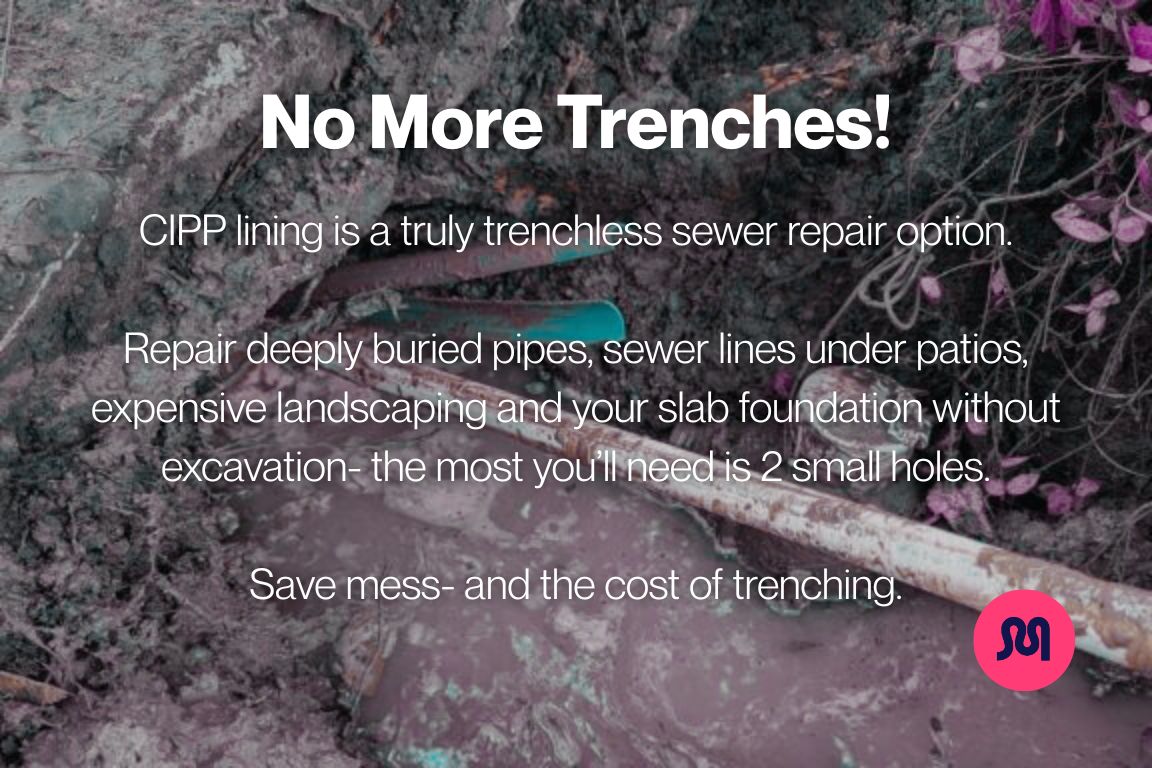
The two biggest advantages of CIPP lining are eliminating excavation and the massive cost savings that come with it. When your damaged pipe sits deep underground or beneath structures, traditional repair means digging down to reach it, removing hardscaping, and restoring everything afterward. CIPP lining skips all of that.
"It's a money saver when excavation options would be invasive or costly, like a spot repair needed under a slab foundation, hardscaping or expensive landscaping," Willy says. "The big advantage of CIPP lining for sewer damage? No digging, no damage, very little disruption."
Here's what makes CIPP lining appealing for the right situations:
- No excavation required - Repairs deep pipes or pipes under structures without digging, cutting concrete, or destroying landscaping
- Enticing cost savings - "If your pipe section can handle it, it's a significant cost savings compared to pipe replacement,” Willy says.
- Seamless root barrier - One continuous pipe with no joints prevents future root intrusion at connection points
- Fast completion - Most residential CIPP installations finish in one day versus several days for excavation and pipe replacement
- Strengthens existing pipe - Adds structural support to damaged sections rather than just patching problems
- Works with multiple pipe materials - From Willy: "Really good for PVC, clay, concrete and any other plastic pipes.”
- Ideal for difficult access - Solves repairs under slab foundations, driveways, patios, pools, and mature landscaping
- 50+ year lifespan potential - Properly installed epoxy liners can last decades when conditions are right, though homes in areas with expansive clay soil or recurring root intrusions may see reduced lifespan due to added stress
Reasons to Avoid CIPP Sewer Lining
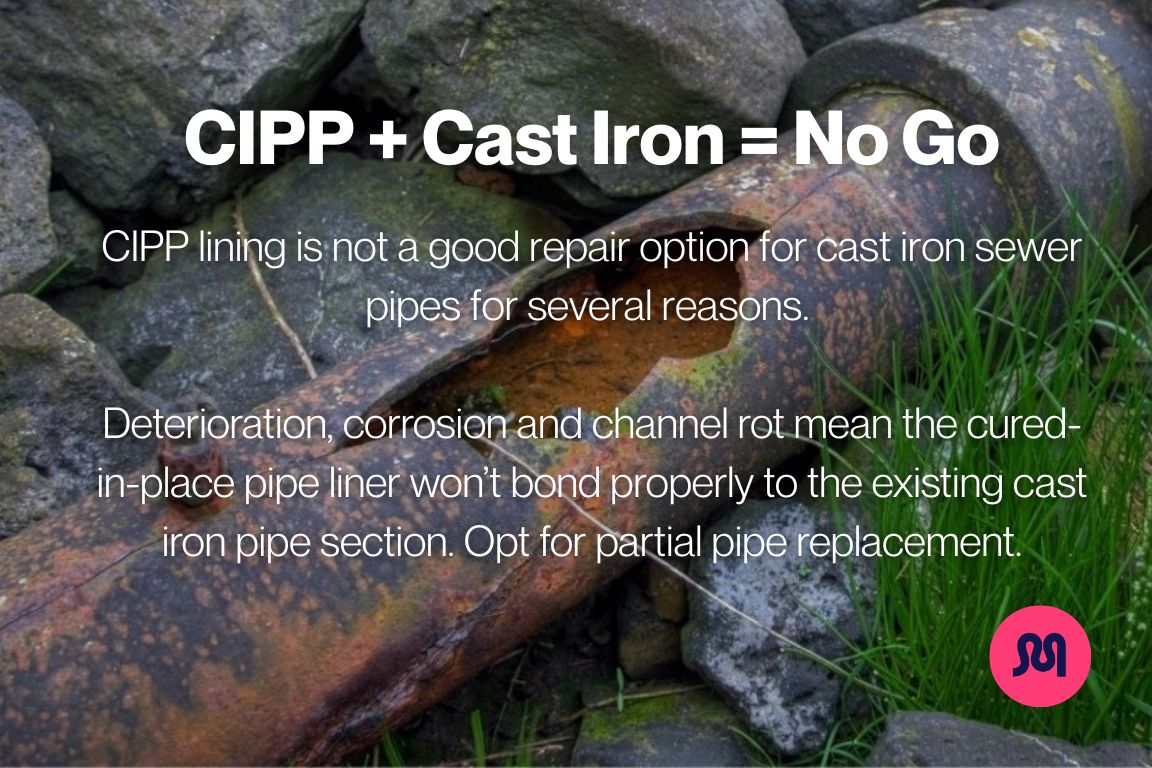
The two biggest limitations are structural requirements and cast iron compatibility. Your existing pipe must be sound enough to withstand aggressive cleaning and provide a stable surface for liner bonding. Cast iron pipes with severe deterioration simply can't meet these requirements.
"In my opinion, cast iron sewer systems are not good candidates for CIPP lining- especially ones with severe channel rot," Willy says. "Usually the pipe will not withstand the cleaning and prep necessary to install the liner properly."
Here's where CIPP lining falls short:
- Won't fix slope problems - "If your pipe is bellied, there's a dip that stops wastewater flow away from the house,” Willy explains. “If your pipe is back-pitched, that means it's slanted towards your house, not away from it. If we install a liner in either of these situations, it just preserves the same improper slope.”
- Requires structurally sound host pipe - Severely deteriorated pipes can't support liner installation or provide adequate bonding surface
- Not suitable for cast iron with channel rot - From Willy: "In my experience, any sections of old cast iron pipe that are lined end up having ripples and don't have a smooth interior surface.”
- Reduces pipe diameter slightly - Homeowners can lose up to 1/4" of interior pipe diameter. This rarely affects residential drainage performance in PVC pipes, but cast iron pipes with existing buildup issues may see reduced flow capacity
- Can't correct misalignment - If pipe sections have shifted significantly out of alignment, liner won't restore proper flow
- Installation depends on access - Still needs cleanout access or small excavation points at both ends of repair section
- Pre-cleaning challenges - Pipes must withstand aggressive cleaning and descaling before liner installation- some can't handle it
Now that we know the best and worst attributes of cured in place pipe lining, let's apply it to the problems affecting your real life. When are the right- and wrong- times to use it?
Comparing CIPP lining to sewer line replacement? Weigh the pros and cons in our updated comparison guide.
{{compare-sewer-solutions-partial-replacement-vs-pipe-lining="/blogs/compare-sewer-solutions-partial-replacement-vs-pipe-lining"}}
Best Use Cases for CIPP Lining in Sewer Repair
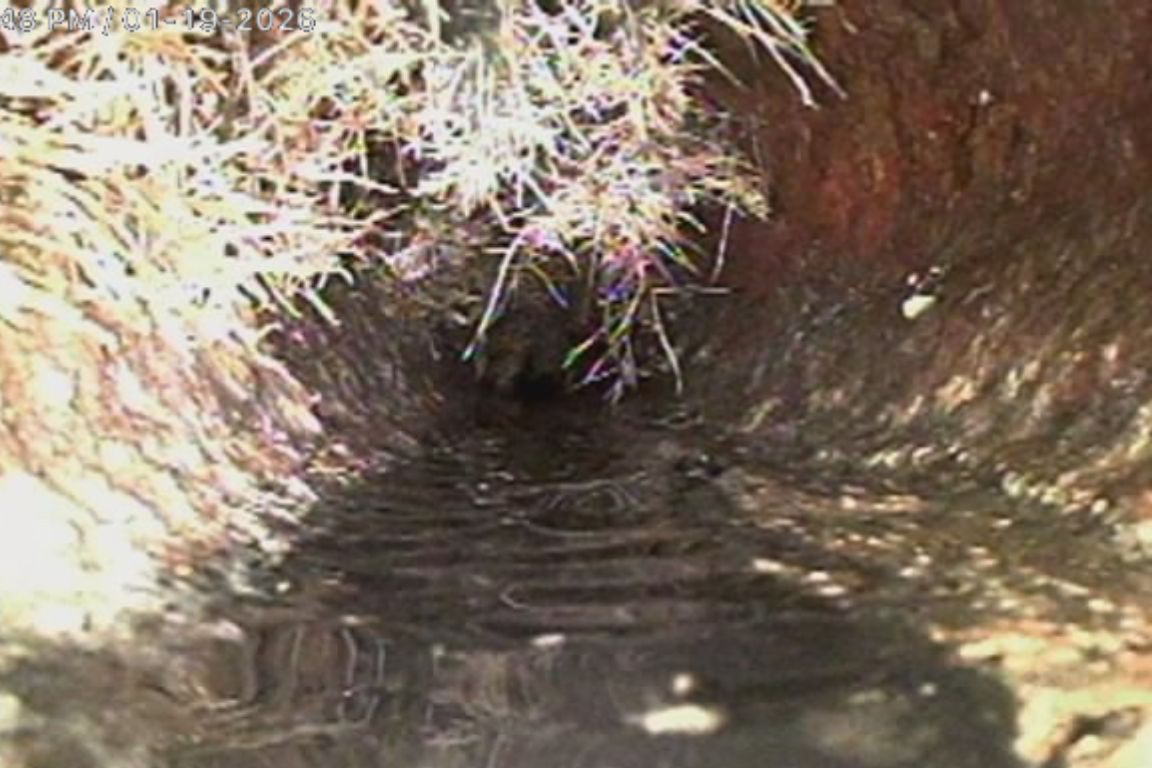
Deep underground pipes with small cracks present the ideal CIPP lining scenario. "CIPP lining works best when the pipe is deep underground, and there is a small crack, fracture or offset," Willy explains.
The depth makes excavation extremely expensive while the limited damage means the host pipe remains structurally sound enough to support liner installation.
When excavation would be invasive or destroy valuable property features, CIPP lining becomes even more attractive. Repairs under slab foundations, expensive hardscaping, or mature landscaping can cost thousands more through traditional methods simply due to demolition and restoration expenses.
Additional situations where CIPP lining excels:
- Pipes beneath hardscaping - Repairs sections under driveways, patios, pool decks, or expensive pavers without demolition
- Valuable landscaping protection - Preserves mature trees, custom gardens, or irrigation systems that excavation would destroy
- PVC pipes with localized damage - Works perfectly when host pipe material can handle cleaning and provides good bonding surface
- Fractured pipes with adequate structure - Small breaks and offsets where the pipe maintains enough integrity to support liner installation
- Multiple small entry points along one section - Seals several root intrusion points or hairline cracks in a single run without multiple excavations
- Root intrusions under slab foundations - Seals entry points where roots broke through without cutting into your foundation
Suspect roots in your sewer line? Before you choose a solution, let’s plan every step of the process to prevent a repeat intrusion!
{{root-intrusion-in-sewer-line="/blogs/root-intrusion-in-sewer-line"}}
A CIPP Success Story from Our Master Plumber
A mature tree, massive root growth and a concrete slab foundation. Sounds like a recipe for disaster- and a huge sewer repair bill. Here’s how cured-in-place pipe lining saved a customer thousands over traditional sewer excavation.
The Problem: A sewer pipe section running underneath the home’s concrete slab featured root intrusions that spanned about 10 feet.
Why We Chose CIPP Lining: Traditional repairs would involve digging a trench alongside the home and cutting into the concrete slab, disrupting the foundation and the home’s structural integrity. CIPP lining avoided that process- and the 5-figure repair bill that came with it.
Why It Worked: The homeowner had a pre-existing sewer cleanout, which provided simple access for root removal. Once that was completed and the pipe was descaled, we used the cleanout for pipe liner installation. We only needed to dig one small hole at the other end of the pipe section- avoiding a 10-foot trench.
The new liner was pulled into place without disrupting the slab and sealed inside the existing Schedule 40 PVC. The process was done in a single appointment on a single day- saving the homeowners 2-3 days of labor costs.
When CIPP Lining Isn't The Right Choice

Severely deteriorated cast iron pipes represent the worst-case scenario for CIPP lining. "If old cast iron pipe walls are severely pitted or missing entirely, you won't get proper bonding of a new CIPP liner," Willy says.
The deterioration is so extensive that the cleaning process required before liner installation often damages the pipe further, and even if installation succeeds, the pitted surface creates poor bonding and rippled liner surfaces.
Slope issues are equally problematic. "If improper slope is the issue, excavation and correction of the grade is the right solution," Willy explains. No amount of liner reinforcement fixes drainage problems caused by bellied or back-pitched pipes.
Other situations where CIPP lining fails:
- Bellied or back-pitched pipes - Improper slope causes standing water and backups that liner installation preserves rather than fixes
- Completely collapsed sections - No interior space exists to insert and inflate liner when pipe has lost all structural integrity
- Significant misalignment - When pipe sections have shifted dramatically out of position and wastewater can't flow properly
- Active groundwater infiltration - Excessive water entering pipe during installation prevents proper curing
- Slope correction needed - When fixing drainage requires regrading the pipe, not just sealing damage
- Extremely corroded pipes that won't survive prep - Host pipe too fragile to withstand aggressive cleaning and descaling required before liner installation
Why is your cast iron failing so soon? Learn why cast iron pipe materials deteriorate faster in soil and wastewater conditions.
{{fast-plumbing-answers-how-long-do-cast-iron-pipes-last="/blogs/fast-plumbing-answers-how-long-do-cast-iron-pipes-last"}}
Steering a Customer Towards a Better Solution
The pathway to cured-in-place pipe liner installation seemed clear- until a camera inspection revealed an old cast iron sewer main with decades of corrosion. Here’s why CIPP lining wasn’t the right choice- even when everything else “checked out”.
The Problem: Two root intrusions in a small section of the homeowner’s main sewer line. Rather than dig up some landscaping, we considered pipe lining- until the camera inspection.
Why We Didn’t Choose CIPP Lining- And What We Chose Instead: Camera footage revealed an existing cast iron pipe from the late 1970s with systemic internal corrosion from the acids in wastewater. Even though the root intrusions were small, our plumber determined the pipe wouldn’t survive the necessary cleaning process.
The owner would likely face a collapsed sewer line. We showed them the footage and proposed a better, lasting solution- sewer line replacement with Schedule 40 PVC.
Why It Worked: It wasn’t the cheapest option today- but it was the smartest and least expensive option long-term. The existing cast iron pipe would have failed within 5-10 years- at that point, there would be massive remediation of the damage on top of a full pipe replacement.
The homeowners chose Schedule 40 PVC replacement and reset the clock- a brand new sewer line that will last up to a century.
Not Sure? Start With a Camera Inspection
A sewer line camera inspection shows exactly what condition your pipe is in and whether CIPP lining makes sense for your specific damage. Your plumber inserts a waterproof camera through your sewer cleanout that travels the entire length of your sewer line while recording high-definition footage.
The best part: you get visual proof of five key factors that drive your sewer repair decision.
- The extent of deterioration
- The location and severity of cracks and breaks
- The cause of damage
- Whether your pipe has proper slope
- Your existing pipe materials
You see the same footage your plumber sees- no need to “take someone’s word for it”.
This inspection determines whether your pipe meets the structural requirements for CIPP lining or whether traditional repair is the smarter approach. The footage dictates which solution actually solves your problem rather than creating new ones.
So, Is CIPP Sewer Lining The Right Choice For You?
CIPP lining delivers exceptional results when your pipe meets specific conditions: structurally sound material, proper slope, adequate access, and localized damage that doesn't require grade correction. In these scenarios, it saves thousands in excavation costs and completes in a fraction of the time.
But forcing CIPP lining into situations where it doesn't fit- deteriorated cast iron, bellied pipes, severe misalignment- creates new problems rather than solving existing ones. The key is honest assessment of whether your pipe can support liner installation and whether lining addresses your actual drainage problem.
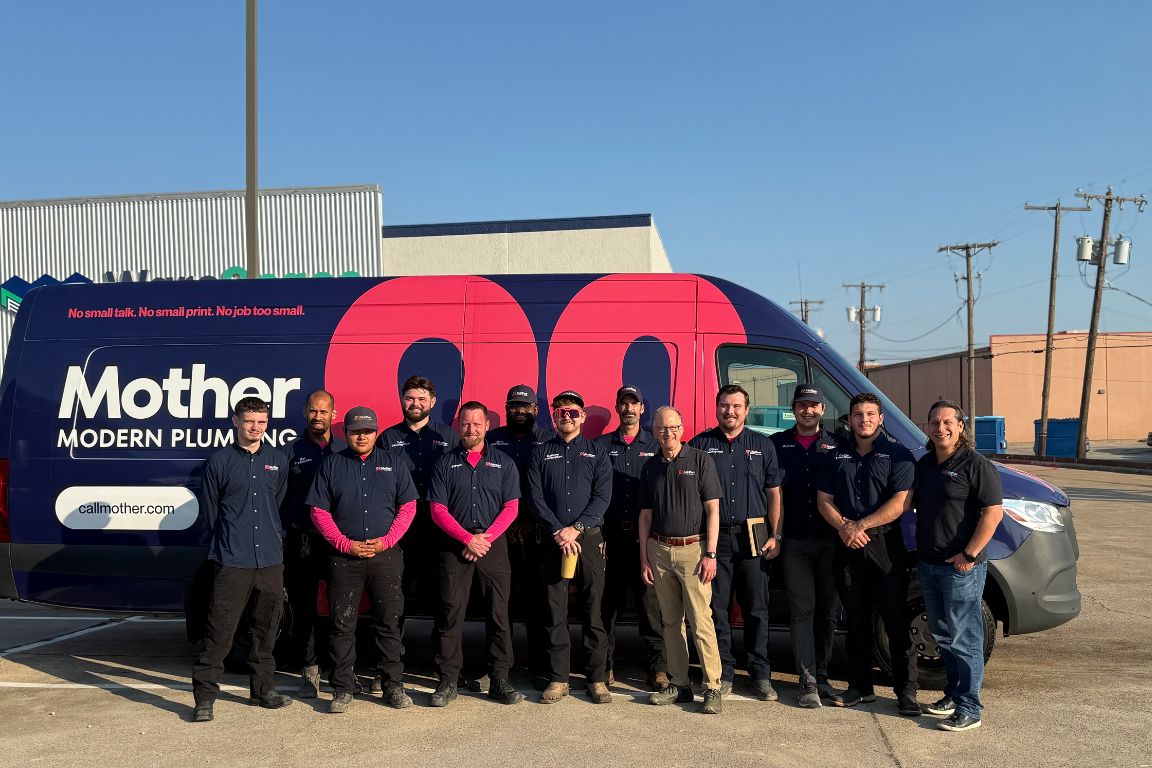
Mother Modern Plumbing's Master Plumbers use non-invasive leak detection equipment, which starts with a sewer camera inspection. We show you exactly what condition your pipe is in, explain whether CIPP lining or traditional repair makes sense for your specific damage.
Then, we recommend the solution that actually fixes your problem- not just the one that sounds appealing.
Need expert guidance on CIPP lining in DFW? Call Mother 24/7 and get straight answers from Master Plumbers with years of CIPP lining experience.
{{sewer-line-repair-and-replacement="/services/sewer-line-repair-and-replacement"}}