What Size Gas Generator Do I Need: Complete Guide
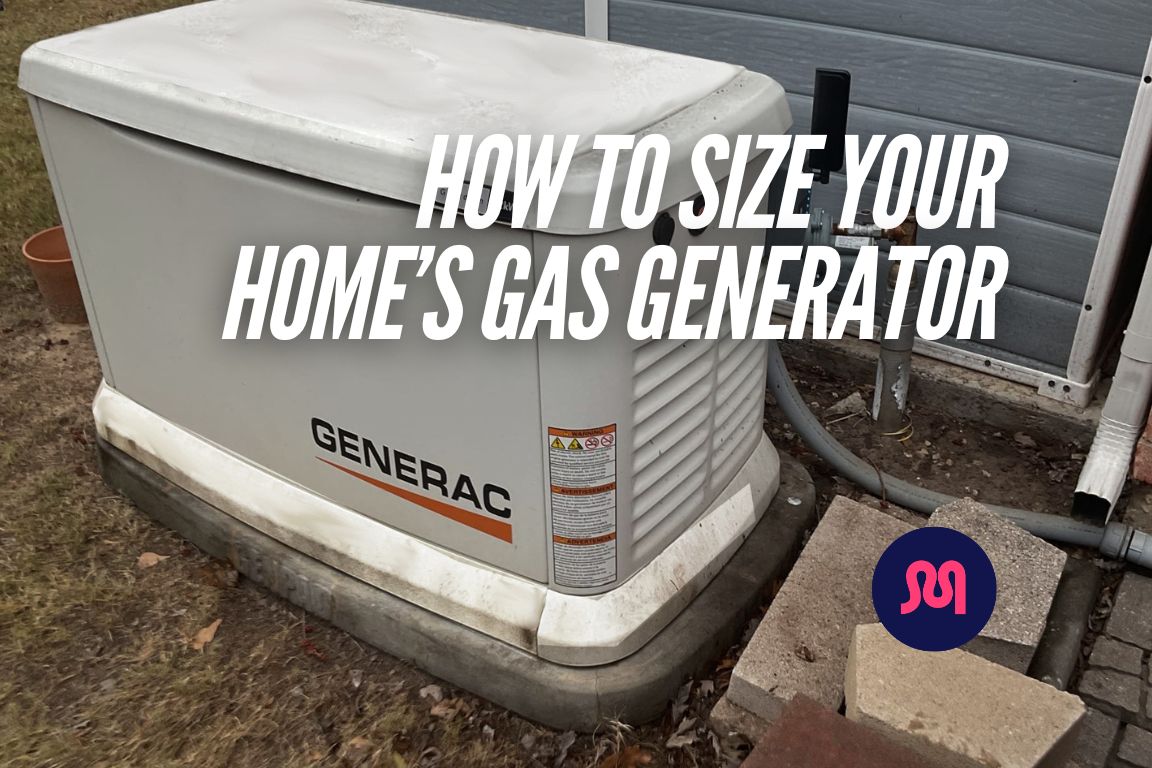


table of contents
table of contents
A severe storm hits. The lights flicker, and your entire neighborhood goes pitch black. You don't want to lose your air conditioning in the middle of a hot Texas summer or freeze during a winter grid failure. If you have a natural gas line on your property, you're already halfway to a permanent backup power solution.
Now, you want a natural gas generator to restore power to your family. But what size generator does your home need?
Short answer: most homeowners need between 7kW and 22kW of power. Where you fall on that scale doesn't depend on the physical size of your house. It depends entirely on how you want to live during a major power outage:
- 7kW to 10kW is the sweet spot if you just want to keep the lights on, the refrigerator running, and your gas furnace blowing warm air using a portable setup.
- 14kW to 22kW is what you need if you want a permanent standby system that keeps your central air conditioner running automatically without you lifting a finger.
- A smart hybrid system drops your generator needs even lower by using a smaller engine to charge a whole-home battery bank.
Our Master Plumbers break down the mistakes most homeowners make when sizing a gas generator, and show you how to buy the right unit the first time.
Need gas generator service in your DFW home? Call Mother 24/7 for expert advice, product selection and installation.
{{natural-gas-generator-hookup="/services/natural-gas-generator-hookup"}}
Quick Answer: Our Natural Gas Generator Sizing Chart
Don't have time to read the full article? Use this chart to get a fast estimate for your home. The sections below give you a deep dive explanation of the exact numbers in this chart.
The Generator Sizing Trap: Knowing Square Footage Isn't Enough
You probably started your journey by calculating the square footage of your home, then matching it to the size of a natural gas generator. Don’t do this: you’ll end up with a cold, dark house.
It’s an easy mistake to make. It’s how homeowners buy a central air conditioner, a new roof, or flooring. In these cases, your home’s square footage is an easy shortcut to a purchasing decision.
Here’s why it doesn’t work for sizing a gas generator for your house.
Electric appliances are power hungry. An electric water heater, an electric clothes dryer, and an electric heat pump draw massive amounts of electricity. On the flip side, gas appliances perform their heating tasks using fuel from the gas line, leaving a very small electrical load for the generator to carry.
As a result, an 1,800 square foot home that's completely electric requires a much larger generator than a 3,500 square foot home with natural gas lines.
Size your gas generator by tracking your appliances' power usage- not your floor plan. Look at the specific mechanical components that draw electricity inside your electrical panel to find your target kilowatt size.
Once you know how much electrical power you need, you are ready for the second half of the equation: feeding the machine
Plan For Steady Power and Startup Surges

Understand this to size your gas generator safely. Motorized appliances use electricity in two completely different ways: continuous power, and surge power. One deals with ongoing energy use (like light bulbs). The other is all about spikes in use (like your central AC kicking on).
If you buy a unit based on your steady power use, you risk a generator that bogs down, trips its breakers, or shuts down the moment the power grid drops.
Think about this concept like your daily Peloton ride.
Continuous Power (Running Watts)
This is like riding a Peloton bike at a steady, comfortable pace. Your legs move smoothly, you breathe evenly, and you use a consistent, predictable amount of energy. You can keep this up for an hour without exhausting yourself.
This is how basic appliances like lightbulbs, televisions, and laptops use power. They just cruise along smoothly on a predictable stream of electricity.
Surge Power (Starting Watts)
Now, imagine trying to pedal that same bike from a dead stop, but someone turns the resistance knob all the way up to the max. It’s like trying to push a stalled car out of a driveway.
Breaking that initial friction to get those heavy rubber tires to turn the very first inch takes an explosive burst of muscle power. You have to lean in, dig your feet into the pavement, and throw your entire body weight into the effort. But the moment the car starts rolling? The job becomes drastically easier. You can keep it coasting down the street using just one hand.
Appliances with heavy internal motors are just like that stalled car. Your central air conditioner, your refrigerator, and your pool pump need an explosive, three-second burst of extra electricity just to get their heavy internal parts moving. Once the motor spins, the power demand drops down significantly.
If your generator is only sized for the steady cruise pace, that split-second starting surge slams into the engine like a brick wall. The generator engine chokes, bogs down, and trips its safety switch, leaving your family right back in the dark.
Clean Power Protects Modern Electronics
Size isn't the only factor that protects your home. You also have to consider the quality of the electricity. Cheap generators produce rough, unstable power.
Modern homes are filled with delicate computer chips found in smart fridges, laptops, and high-efficiency air conditioners. Unclean power can fry those delicate circuits. Choose a generator engineered to deliver smooth, clean power to keep your electronics perfectly safe.
{{repair-or-replace-gas-line-master-plumber-advice="/blogs/repair-or-replace-gas-line-master-plumber-advice"}}
The North Texas Generator Problem: Small Electric Needs, Giant Gas Demands
Suburban homes in Collin, Dallas, Tarrant, and Denton counties face a unique local paradox. Our electrical backup needs during a winter freeze are remarkably low, but our home infrastructure faces a massive bottleneck at the outdoor gas meter.
We’ve recently spoken to customers in Colleyville, Bedford and Dalworthington Gardens about gas generator installation. Here are two local concerns that pertain to them.
Winter Freezes Actually Mean Low Electrical Demands
Most local homes use natural gas for their primary heating furnaces, water heaters, and cooktops. This means your electrical demands during a winter grid failure are surprisingly small.
If you want to keep your family warm during an ice storm, you don't need to power a heavy, electric heat pump or huge heating strips. Your natural gas line does the actual heating work. You only need enough electricity to power the small furnace blower fan that pushes the warm air through your vents. This fan usually only draws between 600 and 1,000 watts.
Because of this gas advantage, a mid-sized portable generator or a modest 14kW standby unit can easily keep a large North Texas home completely safe, warm, and bright in the dead of winter.
The Atmos Energy Bottleneck At Your Meter

Here’s what most gas contractors won’t tell you: Once you figure out your indoor electrical needs, you hit the final bottleneck outdoors. The true constraint of running a natural gas generator in the Metroplex isn't just your indoor electrical panel. It's the capacity of your outdoor utility gas meter.
Imagine you install a heavy-duty, 22kW whole-home standby generator. This machine is built like a wide ten-lane highway. It's designed to let a massive amount of fuel traffic move at high speeds to support your entire house.
To feed that ten-lane highway, the natural gas must travel from the main city utility lines, through your yard, and right through your outdoor gas meter.
Here’s the problem: Most standard residential gas meters installed by Atmos Energy are not highways. They are small, single-lane toll booths. They have a maximum capacity of 250,000 to 400,000 BTUs of total energy.
A standard 22kW standby generator requires roughly 300,000 BTUs per hour all by itself when running under a full load.
Picture a storm where you lose power. That 22kW standby generator fires up. Your gas furnace runs to keep the bedrooms warm. Your gas water heater kicks on because your husband’s taking a hot shower. Your total demand instantly slams through the meter’s physical limits.
The result: the pressure inside your gas lines plummets to zero. Your furnace shuts off, your water heater goes cold, and your brand-new generator starves for fuel and stalls out with an error code.
The Solution: A High-Capacity Meter
To size a natural gas generator for whole-home comfort, you must include a utility upgrade. You must coordinate an upgrade with Atmos Energy to a high-capacity meter or an elevated system.
Some contractors hide this fact to keep their first quote low, then spring the “oops” on you later. We tell you upfront because getting your fuel supply right is just as important as figuring out your electrical needs.
{{fast-plumbing-answers-what-size-natural-gas-line-do-i-need="/blogs/fast-plumbing-answers-what-size-natural-gas-line-do-i-need"}}
Choose Your Setup: Standby vs. Portable Power

Sizing and hardware type are fully linked together. When you look at different natural gas generator sizes, you’re also deciding what your life will look like during a blackout.
Here’s how to choose between three distinct product types based on your budget and lifestyle goals- and how to properly size each of them.
1. Portable Gas Generator Sizing (7kW - 10kW)
If your goal is basic survival and budget efficiency, a portable tri-fuel generator is a highly effective tool. You store this unit in your garage or shed. When a storm knocks out the power, you roll it out to your driveway, connect it to a dedicated natural gas quick-connect valve on your exterior wall, and plug it into a manual 50-amp interlock kit on your main electrical panel.
If you’re “going portable”, factor in a 20% power drop from your unit. When your portable generator runs on natural gas instead of gasoline, there’s roughly a 20% drop in output. So a portable unit rated for 10,000 starting watts on gasoline delivers about 8,000 watts from your natural gas line.
Understand that 20% drop so your system doesn’t trip. Size up your unit by that 20%, and you’ll be good to go.
A downside to consider: This path requires manual labor in the middle of a storm. You have to physically go outside, hook up the lines, and flip the breakers yourself.
2. Standby Gas Generator Sizing (14kW - 22kW)
If you want absolute peace of mind and hands-free convenience, you want a permanent standby system. These units are installed permanently on a concrete pad in your yard- they look a lot like a standard central air conditioner.
Standby generators hook directly into your gas main and use an automatic transfer switch connected to your electrical panel.
The outcome: The moment the main power grid fails, the automatic transfer switch senses the drop. Within ten seconds, the generator fires up, switches your home's power source, and restores electricity to your entire property before you can even find a flashlight. You don't have to lift a finger, run any cables, or stand out in the rain.
3. Smart Hybrid Gas Generator Sizing
This modern approach combines a smaller natural gas engine with a whole-home battery backup system. Instead of buying a massive generator to handle the brief starting surge of your air conditioner, the battery bank supplies that explosive burst of power.
The smaller generator then turns on quietly to recharge the batteries at a steady, efficient pace. This path drops your generator size requirements dramatically while providing a completely silent power delivery system during the night.
Lithium batteries and freezing: Smart hybrid units usually have lithium iron phosphate batteries (LFP). They’re incredibly durable- but they can’t safely accept a charge if it’s below 32°F. If you lose power and the temperature’s below freezing, the system's computer will refuse to let the generator recharge the battery pack.
Ask your installer to add internal thermal heating blankets into the battery bank to avoid this problem.
Your Step-by-Step Plan to Find the Right Generator Size
Follow our Master Plumbers’ 3-step plan to create a backup power sizing goal without going “too high or too low” for your needs.
Step 1: Visually Inspect These Three Things
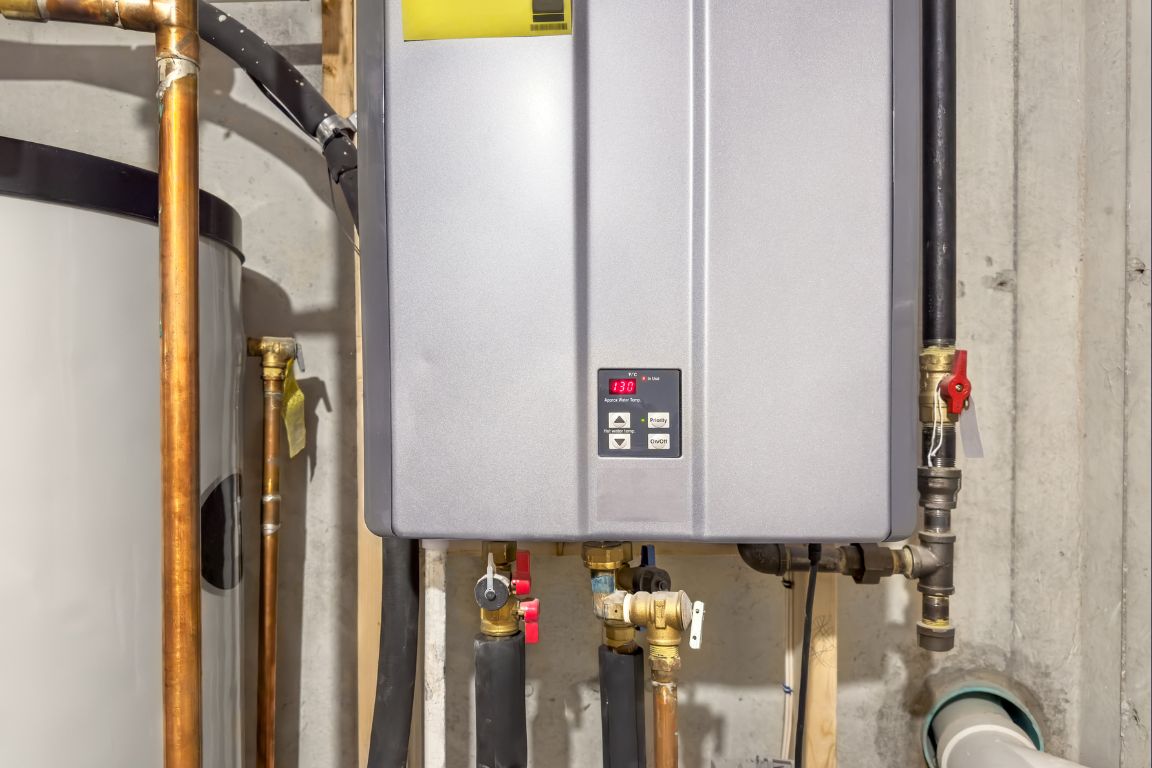
Perform a quick, three-point visual audit of your home right now. No special tools required!
- The Water Heater Check: If your water heater has a metal vent pipe coming out of the top and a gas valve at the bottom, it's gas. This means your generator's electrical load will be low.
- The Air Conditioner Data Plate: Go out to your outdoor A/C compressor unit. Find the silver data plate on the side and look for the letters LRA (Locked Rotor Amps). This number tells you the exact starting surge your generator must handle to start your cooling system.
- The Gas Meter Brand: Take a look at your gas meter near the side of your house. Note the model number stamped on the faceplate. This tells you how many BTUs your system handles before a utility upgrade is required.
Step 2: Calculate Your Electrical Load
Don’t let a contractor “guesstimate” or pull a number out of thin air. Get a written load calculation. A certified technician adds up the running watts of your essential circuits and adds the single highest starting wattage surge from your largest cooling compressor.
This number equals your absolute peak power target and tells you how to size a gas generator accurately.
Step 3: The Gas Load Calculation
Once you know your electrical size, perform a total household BTU audit. Add the fuel demand of the generator to the combined BTU demands of your furnace, water heater, and cooktop.
This total number is what we submit to Atmos Energy to see if your outdoor infrastructure requires an upgrade.
Step 4: Permitting and HOA Hurdles
This is a major point of friction in strict DFW suburbs. Before an automatic standby generator can be installed, we must secure municipal permits and navigate specific HOA bylaws. Many neighborhoods have tight rules regarding:
- Setbacks: How close the generator can sit to your property line or your neighbor's windows.
- Concrete Pads: Engineering requirements to ensure the heavy machine doesn't sink or crack during soil shifts.
- Sound Limits: Strict decibel limits to ensure the generator engine doesn't disturb the peace of the neighborhood during its weekly self-testing cycles.
If you have an HOA, tell us. We’ll help ensure your new gas generator complies with community bylaws.
Find The Perfect Gas Generator Size For Your House
Finding the exact fit for your property prevents overloaded circuits and keeps your family safe. Whether you decide on a small portable unit for the essentials or a massive standby system to keep your whole house cool, getting the math right is the only thing that matters.
Most homes need between 7kW and 22kW of power from their gas generator. The right size for you depends on whether you want bare essentials or a completely uninterrupted lifestyle during an outage.
Never guess with your home's infrastructure. A generator that's too small leaves you stranded, and a unit that's too large wastes fuel and money. Speak with a professional who understands both electrical loads and gas plumbing requirements to get a permanent solution that lasts. In the DFW Metroplex, that’s Mother Modern Plumbing.
Have more questions about installing a gas generator in DFW? Call Mother 24/7 for expert advice, product selection and installation.
{{natural-gas-generator-hookup="/services/natural-gas-generator-hookup"}}