CSST vs Black Iron Pipe For Gas Lines: The Bottom Line
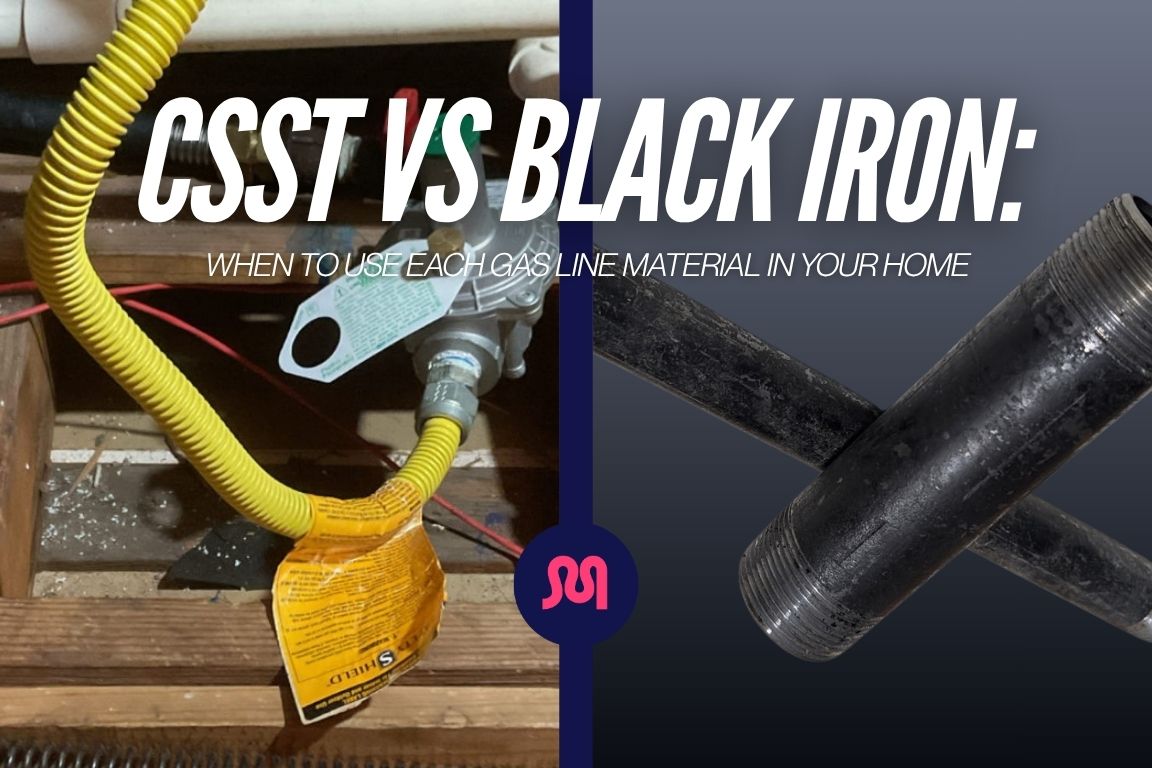


table of contents
table of contents
When your home requires a new gas line installation or a major system repair, material choice can feel overwhelming. For decades, traditional black iron pipe was the only option available for residential gas delivery. Today, Corrugated Stainless Steel Tubing (CSST) is a trendy, popular choice.
Both materials safely transport natural gas or propane through your home. But they couldn’t be more different in terms of structure, durability and installation effort.
Price isn’t a big factor. Black iron costs less upfront, but the cost to install CSST is much lower. If the cost is a “wash”, then which gas line material is right for your project?
Our Master Plumbers guide you through the differences between these gas piping systems and help you make an informed decision for your gas repair, installation or upgrade project.
Need gas line repair in Dallas-Fort Worth? Call Mother 24/7 to talk to a real person and get priority scheduling in the Metroplex.
CSST vs. Black Iron Pipe: Comparison Chart
Repair vs New Installation: Pick the Right Gas Line Material
The scope of your gas line project plays a big role in deciding between black iron and CSST materials. Luckily, the decision to use one or both is relatively straightforward.
Our Master Plumbers unanimously agreed this is the best use of gas pipe materials for installs and repairs in your home:
For New Installations: Use both. A hybrid system wins here. Black iron is great for the main trunk line of your gas system. Pick CSST for the branch lines that lead to individual appliances.
For Repairs/Retrofits: In most cases, CSST is the clear winner. It’s easily snaked through existing walls without a ton of drywall demolition. “You’re not cutting open a wall just to get a pipe wrench onto a black iron joint,” our plumbers explain.
{{repair-or-replace-gas-line-master-plumber-advice="/blogs/repair-or-replace-gas-line-master-plumber-advice"}}
What Is Corrugated Stainless Steel Tubing (CSST)?

CSST entered the residential plumbing market in the late 1980s to solve a specific problem: the tough installation of rigid iron pipes. Think of CSST as a flexible hose made of high-grade stainless steel. It typically features a yellow or black plastic coating that clearly identifies it as a gas utility line.
The Major Advantages of CSST
Because CSST is flexible, a technician can snake a continuous line from your gas meter or main distribution manifold directly to an appliance. This eliminates the vast majority of joints and fittings hidden inside your walls. Fewer joints mean fewer potential weak points where a gas leak can develop over time.
The Limitations of CSST
CSST has thinner walls than solid steel. If a homeowner hangs a picture or a contractor installs drywall without using protective metal strike plates, a rogue nail or screw can pierce the tubing and cause an immediate gas leak emergency.
Additionally, standard yellow CSST requires strict, mandatory electrical grounding. If lightning strikes near your property, the high voltage can jump onto ungrounded CSST, arcing through the thin metal walls and melting a hole in the line. Modern black-jacketed CSST features built-in arc protection, but proper grounding remains a critical code requirement.
Traditional Black Iron Gas Pipes
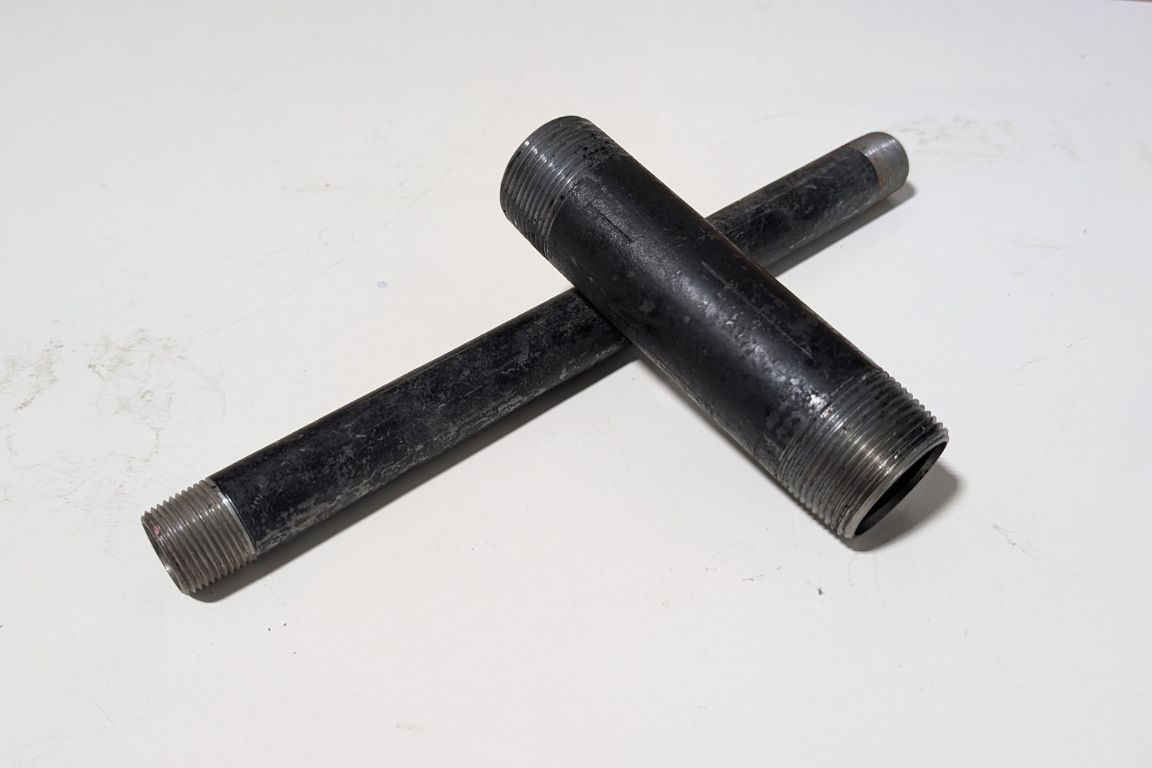
Black iron pipe is the heavy-duty, industrial standard that has powered American homes for generations. It consists of thick, rigid carbon steel pipes coated with dark iron oxide to resist basic atmospheric corrosion.
The Major Advantages of Black Iron Pipe
Black iron pipe is incredibly strong. Its thick walls offer maximum protection against accidental punctures from nails, screws, or tools. It is an ideal choice for exposed gas lines in garages, unfinished basements, or outdoor utility areas where the pipe might take physical impacts.
Because it is completely rigid, it does not sag or warp over long distances. It also carries no complex electrical grounding requirements beyond standard plumbing codes because its thick steel walls easily handle stray electrical currents without melting or deforming.
The Limitations of Black Iron Pipe
The main downside of black iron is the labor required to install it. A technician must carefully measure each section, cut the pipe, and use a heavy threading machine to create threads on each end. To turn a corner or navigate a wall cavity, the plumber must screw on a separate iron fitting using heavy pipe wrenches.
This process creates dozens of threaded connection points inside your home's infrastructure. Every single threaded joint relies on pipe sealant to remain airtight. Over decades, as a home settles or vibrates from passing traffic, those joints can slowly loosen or dry out, leading to small fitting leaks.
{{fast-plumbing-answers-what-size-natural-gas-line-do-i-need="/blogs/fast-plumbing-answers-what-size-natural-gas-line-do-i-need"}}
CSST vs. Black Iron: The Cost Comparison
If you browse online home improvement forums, you’ll read conflicting opinions about the costs of these two materials. Many claim that black iron is the budget-friendly choice, while others state CSST saves you money.
Neither of these arguments is completely true. Black iron is only cheaper if you look at the price tag- it’s far more expensive to install. And while CSST saves a ton on labor hours, you’re paying much more for the materials upfront.
For a standard home installation, the bottom-line cost of CSST and black iron is roughly the same. Price isn’t a major factor when it comes to choosing a material- here’s why.
The Cost of CSST: Premium Materials, But Cheaper Labor
Buying raw material for CSST is quite expensive per linear foot. The specialized brass fittings required to terminate and connect the lines also carry a premium price tag.
You want to buy black-jacketed CSST for new installs. This features built-in protection from electrical arcing- traditional yellow-jacketed CSST does not. Black-jacketed CSST costs roughly twice as much as yellow-jacketed.
However, the installation is incredibly simple and takes very little time. Because the tubing is flexible, a technician can quickly reel it out and fish it through finished wall cavities, around floor joists, and through tight attics like heavy electrical wiring.
A project that takes two full days of manual labor with rigid black iron is often completed in less than one day with CSST.
Black Iron Pipe Costs: Cheaper Materials, but Expensive Labor
Raw black iron pipe is incredibly cheap to purchase. The individual threaded elbows, couplings, and tees only cost a few dollars each.
The catch? Black iron is really labor-intensive to install. The plumber must measure every single short run, carry the heavy steel out to a truck-mounted threading machine, cut it, create the threads, wipe down the oil, apply pipe dope, and manually wrench the pieces together inside your home.
To navigate around a single structural beam, they have to repeat this entire mechanical process multiple times.
Choosing Gas Line Materials in Dallas-Fort Worth

The unique geology and severe weather patterns of the DFW Metroplex play a big role in how these two materials perform over time. Our local environment puts specific stresses on your fuel lines that homeowners in other parts of the country never have to consider.
Shifting Clay Soil Affects Your Gas Lines
Our local ground is notorious for its highly expansive clay soil. Heavy rain makes the ground swell. Summer droughts make the soil shrink and crack. This continuous ground movement causes foundations across Collin, Dallas, Denton, and Tarrant counties to shift and settle constantly.
- CSST Flexibility: CSST is inherently flexible. It acts like a shock absorber inside your home's framing. When your foundation shifts slightly, the flexible tubing bends with the movement instead of fighting it. This reduces the risk of a line snapping or a joint breaking.
- Black Iron Risk: Traditional black iron is completely rigid. If a home experiences foundation settling, it puts immense stress on the solid pipe. Because the steel cannot bend, the tension concentrates directly on the threaded fittings. Over time, this shifting slowly backs the threads out or cracks a joint open, creating a hidden gas leak inside your walls.
Severe Weather and Lightning Safety
The DFW area sits right in the path of severe spring storms that bring frequent, high-voltage lightning strikes. This local weather reality makes material selection and proper installation critical for safety.
- CSST Precautions: Lightning doesn’t have to hit your house directly to cause a problem. A nearby strike can send a massive electrical surge traveling through the ground or your home's structural beams. If you have older, yellow-jacketed CSST that was not properly grounded by a previous contractor, that surge can arc through the thin stainless steel walls and melt a pinhole leak. If your home uses CSST, ensure it features modern arc-resistant jacketing and meets strict, code-compliant grounding rules.
- Black Iron Performance: Black iron pipe shines when it comes to electrical resilience. Its thick, heavy carbon steel walls easily absorb and disperse stray electrical currents from lightning strikes without warping, melting, or deforming. You don’t need any grounding beyond what’s in the standard residential code.
The Verdict: Which Material Belongs in Your Home?
A professional, high-quality gas line configuration rarely relies on just one material. Reputable contractors typically use a hybrid approach to give you the absolute best of both worlds.
Black iron pipe remains the premier choice for the heavy main supply trunk line running directly from your Atmos Energy meter into your home, as well as any exposed lines in garages or outdoor utility areas subject to physical contact.
CSST is the ideal choice for the secondary "branches" that travel from that main trunk line through finished walls, ceilings, and tight cavities to safely reach your stove, water heater, or backyard outdoor kitchen.
Never guess when dealing with the gas infrastructure of your property. Ensure a licensed professional evaluates your home's mechanical blueprint to select the safest, most durable piping material for your needs.
Need expert gas line installation in your DFW home? Call Mother 24/7 for safe, code-compliant gas piping solutions on your schedule.
{{gas-line-repair="/services/gas-line-repair"}}