Toilet Overflowing? What to Do Right Now


table of contents
table of contents
If your toilet is overflowing right now, shut off the direct water supply to the toilet. Check if the water is clean or if it’s wastewater. If it’s sewage, stop immediately and call a licensed plumber.
If it’s a freshwater backup, our Master Plumbers guide you through what to do in the first 10 minutes after your toilet floods. We’ll show you what to DIY (plunging, containment of clean water) and when it’s time to call a professional.
We’ll save you the sales pitch- you need answers right now. So let’s walk you through the five clear steps to deal with an overflowing toilet.
{{emergency-repair="/services/emergency-repair"}}
1. Shut Off the Toilet’s Water Supply
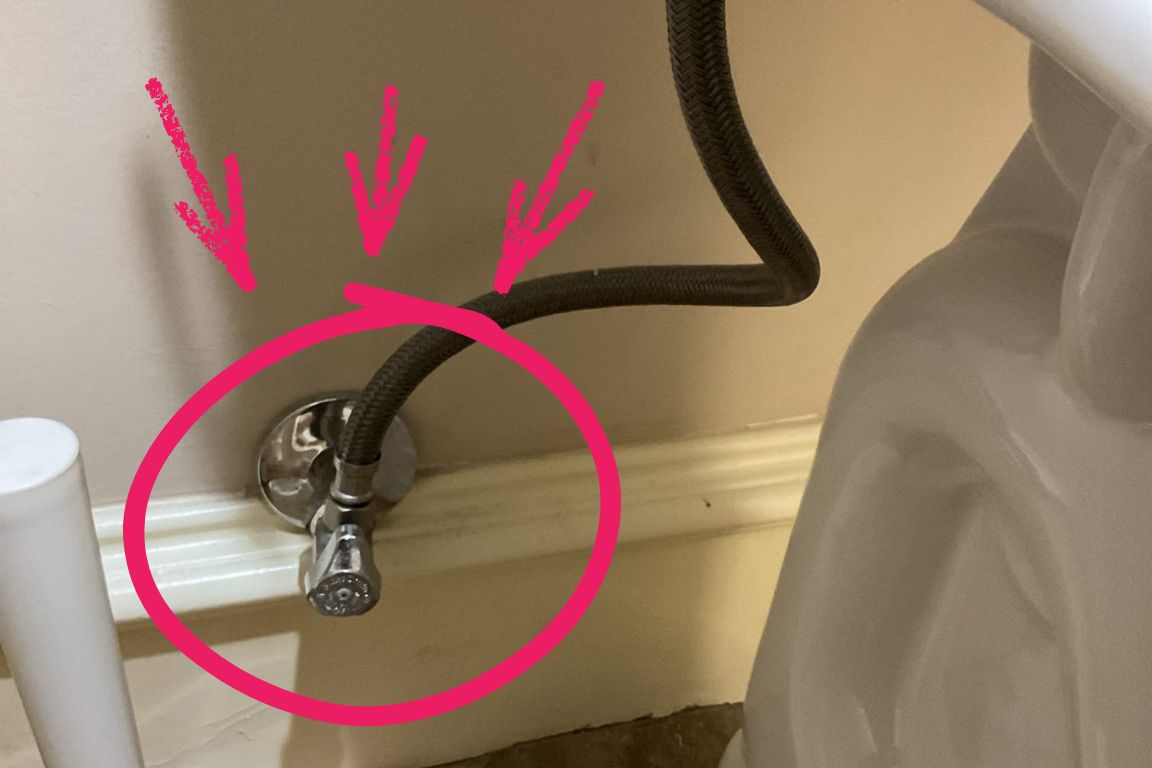
Stop the incoming flow of water to your toilet immediately after you discover an overflow. This is relatively simple- all you need to do is locate the toilet’s dedicate shut-off valve and turn it.
Here’s how to shut off water to your toilet:
- Find the shut-off valve. It’s usually on the left side of your toilet- right behind it or near the base. Look for a round, oval, or lever-shaped handle.
- Turn off the valve. How you do this depends on the handle shape:
- Round or Oval: Turn clockwise (to the right) as far as it will go.
- Lever: Rotate the lever 90° so it’s facing perpendicular (sideways) to the water supply line. If it’s parallel to the line, your water is on.
- Test your toilet. Flush the toilet once. If the shut-off valve is properly closed, the tank should completely empty and not refill. If it does, check the valve again.
Old toilets in vintage homes and apartments may not have a dedicated shut-off valve. If that’s the case in your house, you’ll need to shut off the main water supply to your house.
Sewage Near The Valve? Lower the Tank Float Instead
If there’s sewage spilling out on the floor near your shut-off valve, don’t try to shut it off.
Instead, lower the level of your toilet’s float inside the tank. Make sure it’s at least 1 inch below the top of your overflow tube. This prevents the water level from rising in your tank and keeps flooding to a minimum.
- Locate the float. You’re looking for a plastic cylinder or cup surrounding the shaft, or a metal arm with a rubber ball attached.
- Lower the float. How you do this depends on your type of float:
- Plastic cylinder or cup: Turn the top adjustment screw counter-clockwise. If you can’t, pinch the spring clip and slide the float further down the shaft.
- Rubber float ball: Turn the top adjustment screw counter-clockwise and lower the ball’s stopping point.
2. Don’t Flush Again After You Test the Shut-Off
Once you successfully flush your toilet to ensure the shut-off valve is off, don’t flush again.
Every time you activate the flush mechanism, new fresh water attempts to fill the tank and drain into the bowl. An overflow in either location will only be made worse.
Introduce even a minimal amount of new liquid to the system, and even more contaminated water spills over onto your floor and into your home.
3. Stop Here: Is the Water Clean or Contaminated?

This is the most important step in the process for your health and safety. If the water overflowing from your toilet is sewage or contaminated in any way, this is where your DIY process stops.
Wastewater is classified as Category 3 Black Water. This means a professional remediation team needs two biohazard certifications to handle and clean it. And for good reason: the IICRC labels it “grossly contaminated” with toxins, pathogens and bacteria.
Some contaminated water looks clean. Here are 3 easy ways to tell the difference:
- Multiple fixtures or toilets backing up. This is a telltale sign of an emergency sewer backup into your home.
- A foul odor. If the water looks clean but smells, it’s probably wastewater.
- Your bowl is overflowing. If the flooding is from the bowl and not the tank, it’s almost always a wastewater scenario.
Short version: If the water is potentially sewage or contaminated, don’t touch it and call a plumber. If you can guarantee it’s clean water, move on to the next step.
Is your toilet overflowing with sewage? Switch over to our emergency sewer backup guide and follow the steps to protect your home.
{{sewage-backing-up-into-house-what-to-do-right-now="/blogs/sewage-backing-up-into-house-what-to-do-right-now"}}
4. If It’s Fresh Water, Contain It and Try a Plunger
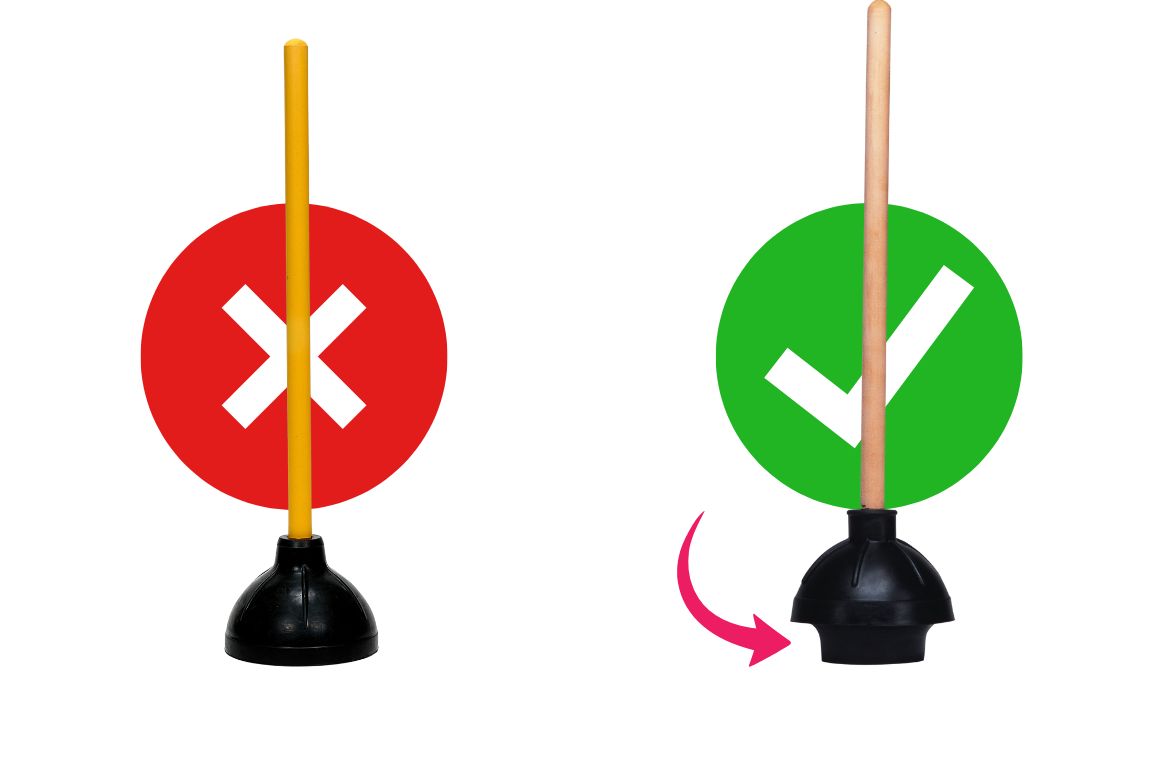
Once you confirm your toilet flood is fresh water, contain and remove as much of it as possible before you carry on. There’s no sense in sopping up water from the bathroom tile just to have more spill out.
Here are the steps to take, in order:
- Remove extra toilet water. Put on long rubber gloves. Use a cup or small bucket to bail clean water out of the toilet bowl, especially if it’s near the brim.
- Use a flange plunger. These plungers have an extended rubber flap. Sink plungers without the flange will not work.
- Create a seal. Insert the plunger at a slight angle to let water enter its cup. Then, create a tight seal by centering the plunger cup over the toilet’s drain hole.
- Plunge firmly but not forcefully. Avoid splashing more water out of the bowl. Push firmly but not too hard- excessive force can crack your toilet’s base or break the wax seal on the floor. That only adds costs to your repair.
- Test the drain. After 15-30 seconds of firm plunging, remove the plunger and see if the water level drops.
- Soak up spilled water. Keep your gloves on. Use old towels, rags, a mop or wet-dry vac to sop up as much of the spilled fresh water from your toilet as possible.
After you’re done, ventilate the room. Open the window and bring in a fan. This will allow some more spilled water to evaporate.
5. Know When to Stop DIY and Call a Plumber
At this point, you’ve done everything you can- whether you were successful or not. Here are two simple signs it’s time to call a licensed plumber to fix the issue:
- The plunger didn’t work. The water level hasn’t dropped, even after 15-20 minutes of plunging.
- The bathroom smells like sewage. You clearly have a wastewater issue.
If you still aren’t sure, the following three scenarios also require a professional sewer line inspection from a plumber:
If Multiple Toilets or Fixtures Are Affected
If multiple toilets in your home are overflowing, or multiple fixtures are backing up at the same time, this is a sewer line emergency.
Also, if you notice a bubbling or gurgling sound from another toilet, sink, tub or shower as you plunge the toilet, you’re dealing with a sewer blockage. Trapped air in your drainage pipes is forcing its way back into your lowest drains.
If It Keeps Happening After You Fix It
You thought you successfully plunged the toilet and soaked up the water. But the next time you flush, the tank or bowl spills over onto the bathroom floor again.
This points to a recurring drainage issue. Our plumbers deploy HD sewer line camera equipment to find the blockage in real time, and show you the proof.
If Sewage Begins Backing Up While You Plunge
If you notice wastewater entering your toilet as you plunge clean water, stop immediately. You risk exposure to sewer gases, giardia, E. coli, salmonella, Hepatitis A and more.
Call Mother for Emergency Toilet Backup Service in DFW
When you notice a flooding toilet, immediately determine if it’s a clean water or wastewater backup. Turn off the direct water supply to the toilet, and only proceed if you’re sure the water is clean.
If it’s a sewage backup, call a licensed plumber immediately. Mother’s team of DFW sewer specialists handle home toilet backups consistently. We start with a sewer inspection and camera assessment to identify the blockage with pinpoint accuracy.
Then, that footage reveals that best long-term fix for your bathroom plumbing issue.
Overflowing toilet in DFW? Call Mother 24/7- we’re here to provide emergency sewage backup service throughout the Metroplex.
{{emergency-repair="/services/emergency-repair"}}