Slab Leak Repair: When to Tunnel vs When to Reroute
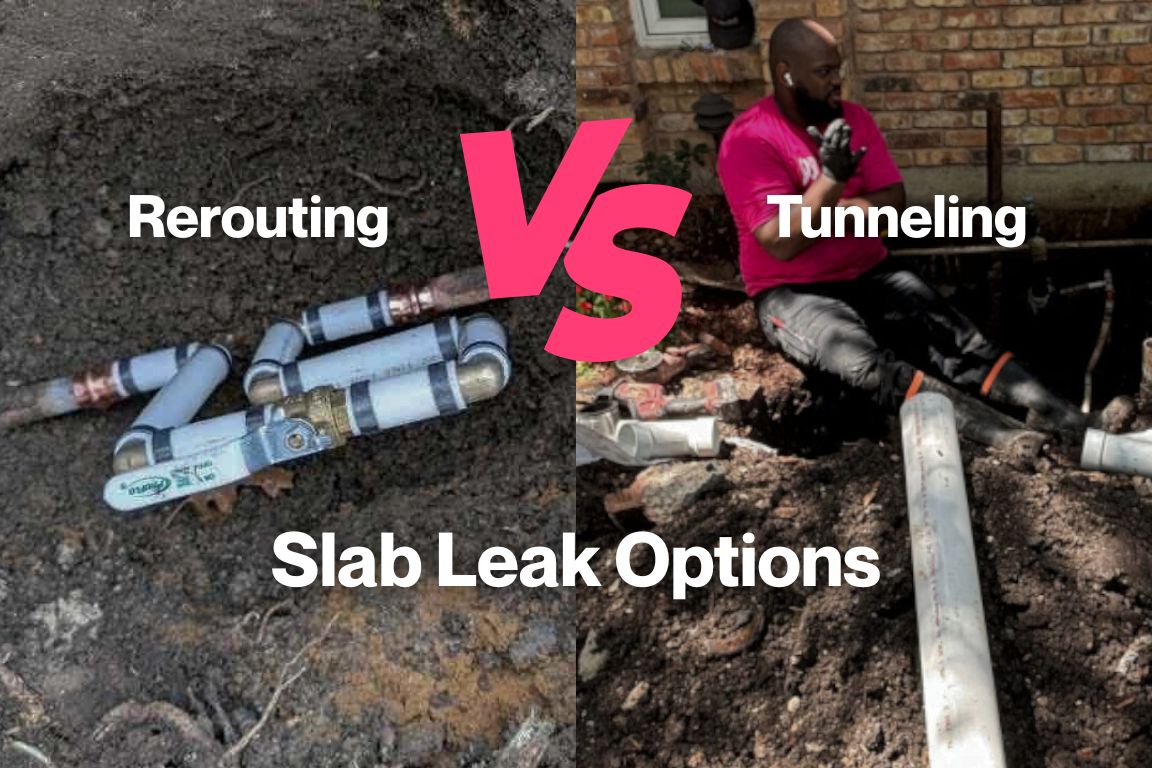


table of contents
table of contents
We've conducted several slab leak repair projects in the DFW Metroplex since we published this article. We've included real case studies from projects where we chose between tunneling and rerouting.
Your plumber just confirmed a leak under your slab foundation and quoted a repair method. The price feels steep, and you're wondering about alternatives. Should you tunnel under the foundation to fix it, or reroute the water line entirely?
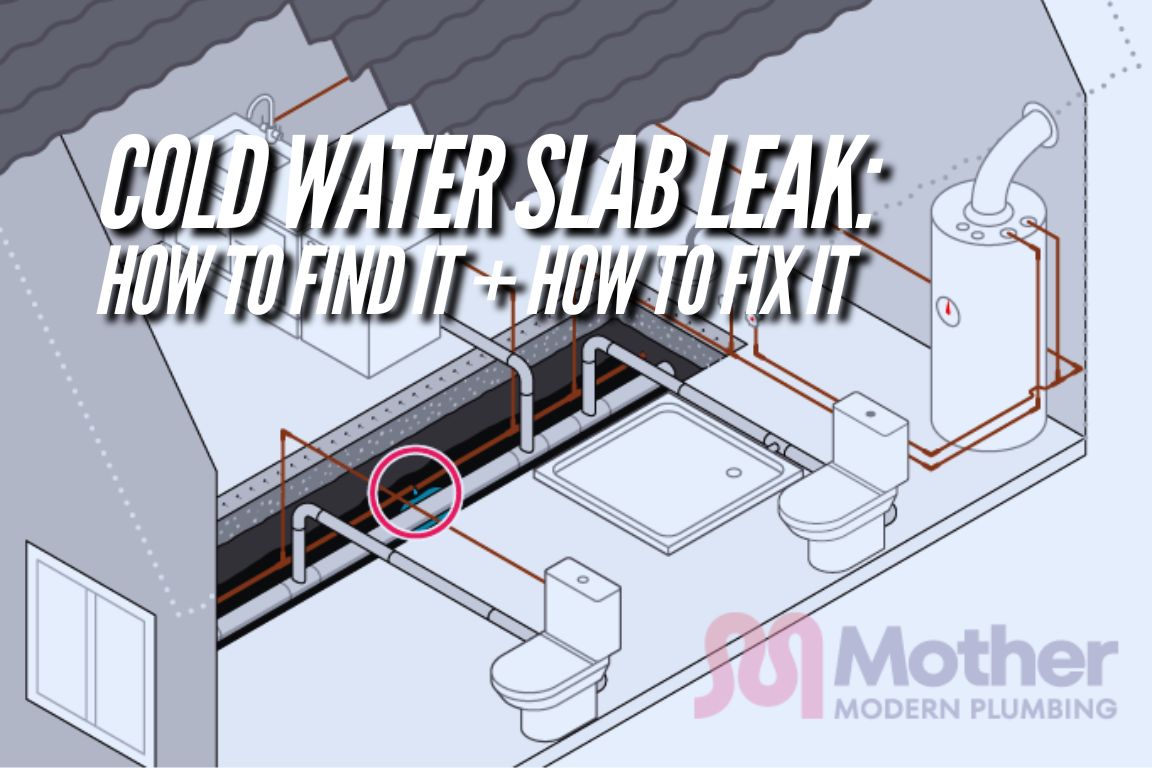
The right answer depends on where the leak is located, whether the damage is isolated or widespread, and what sits above the damaged pipe section.
We're Mother Modern Plumbing, and we've completed hundreds of slab leak repairs across Dallas-Fort Worth. This guide explains when tunneling makes sense, when rerouting saves money and hassle, and how to choose the best solution for your specific situation.
Weighing your slab repair options in DFW? Call Mother 24/7 for professional leak location and a fixed-rate quote on the single best solution for your problem.
{{slab-leak-repair="/services/slab-leak-repair"}}
Compare Your Slab Leak Repair Options
Don’t have time to read the full article? Use this table to determine the best service option fits your specific situation.
*The best repair option for slab leaks in these instances depends heavily on the length and location of your damaged pipe. Choose tunnel repairs for isolated issues in easy-to-reach locations, and rerouting for complex, widespread damage or hard-to-reach locations.
Not sure if you have a slab leak? Read our 5-minute slab leak diagnostic test to confirm symptoms before calling for detection.
{{fast-plumbing-answers-warning-signs-of-a-slab-leak="/blogs/fast-plumbing-answers-warning-signs-of-a-slab-leak"}}
Cost and Project Timeline Comparison
Not sure if your plumber’s slab repair quote is on point? Worried about how long the project’s going to take? Don’t worry- we’ve got you covered.
Here’s all the information you need on the average cost, project timeline, and potential remediation costs of rerouting and tunneling repairs:
Slab Leak Tunnel Repairs: Best for Isolated Pipe Leaks
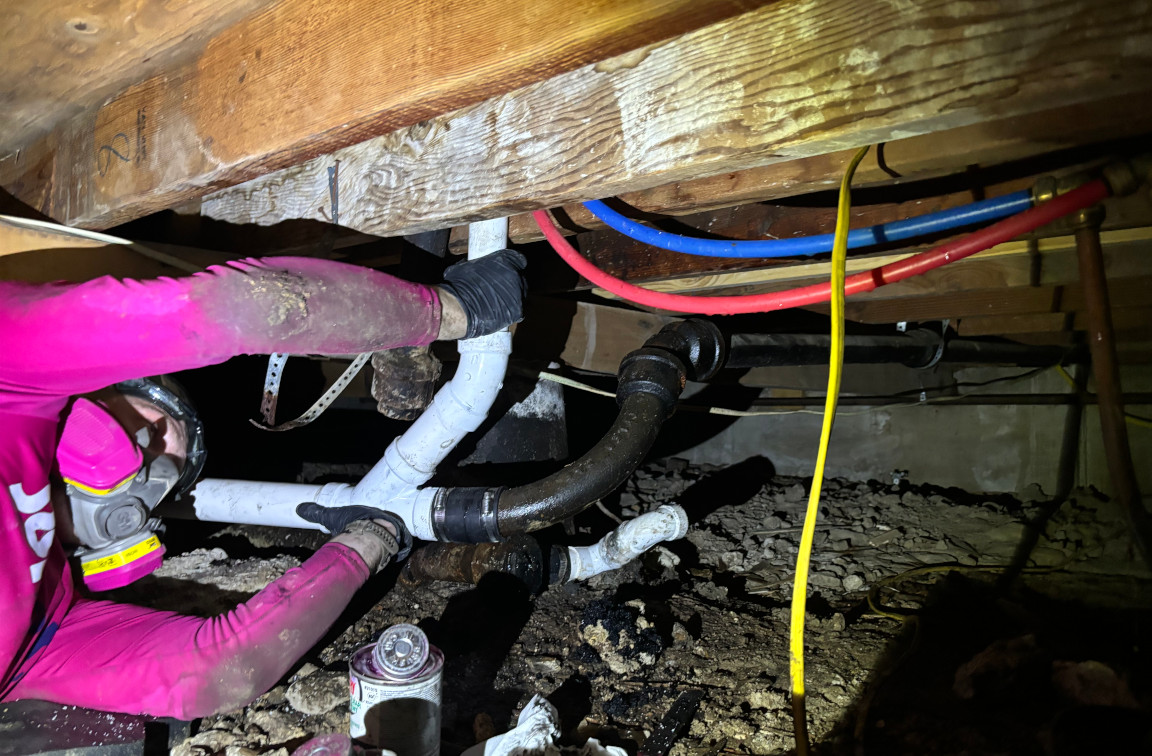
Tunnel repairs access your damaged water line by digging under your foundation from outside—without breaking through your concrete slab or entering your home.
How Tunnel Repairs Work
This four-step process applies to most slab leak tunnel repairs:
- Pinpoint the leak location. Acoustic leak detection and tracer gas technology locate the exact leak spot—usually accurate within 6-12 inches. This precision prevents unnecessary digging and keeps costs down.
- Excavate outside your foundation. A trench is dug along the exterior perimeter of your home near the leak. This typically requires removing sections of lawn, landscaping, or pavers.
- Tunnel horizontally under the slab. From the exterior trench, we dig a horizontal tunnel beneath your foundation to reach the damaged pipe section. A plumber enters the tunnel to cut out the damaged section and install new copper or PEX pipe.
- Backfill and restore. The tunnel is backfilled, properly compacted to prevent future settling, and your yard is restored.
When Tunnel Repairs Excel
- Single pinhole leaks – One isolated leak in an otherwise sound water line doesn't justify replacing the entire line. Tunneling fixes the damaged section while leaving functional pipe intact.
- Accessible locations – When the leak sits within 10-15 feet of your home's perimeter and nothing expensive sits above it (no pool, extensive patio, or major landscaping), tunneling provides direct access without interior disruption.
- Preserving your interior – If your home has expensive flooring, custom cabinetry, or recent renovations you want to protect, tunneling keeps all work outside. No drywall cutting, no paint matching, no moving furniture.
- Isolated pipe damage – Water line abrasions from contact with rebar or concrete, single scaling buildups, or localized corrosion all respond well to spot repairs through tunneling.
When Tunnel Repairs Fall Short
- Deep interior leaks – When the leak sits 20+ feet from any exterior wall (under your kitchen island or master bathroom center), the tunnel becomes so long and expensive it costs more than rerouting.
- Multiple leaks in the same line – If you have two or three leaks in one water line, the pipe itself is failing. Tunneling to fix one leak now means tunneling again in 12-18 months for the next failure.
- Expensive structures above – When the leak runs under a pool deck, outdoor kitchen, or extensive paver patio, excavation and restoration costs can exceed $15,000—more than double the cost of rerouting.
- Systemic pipe deterioration – When electrolysis, widespread corrosion, or mineral scaling affects the entire water line (common in copper lines 30+ years old), you're patching a failing system instead of solving the root problem.
Slab Leak Pipe Rerouting: A New Pathway for Your Pipes
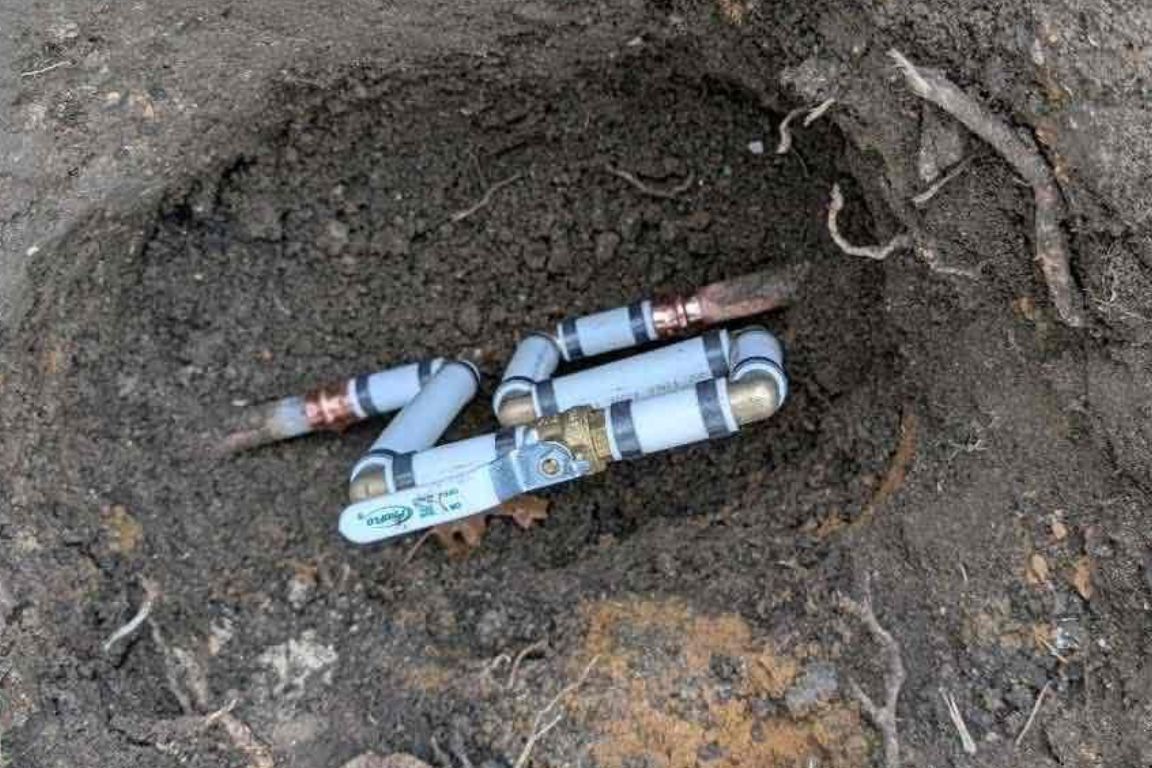
Pipe rerouting abandons the damaged water line under your slab and installs a completely new line along a different, accessible path—typically through your attic, interior walls, or along exterior surfaces.
How Pipe Rerouting Works
Your plumber has four distinct tasks during pipe rerouting service:
- Locate the leak before suggesting repairs. Acoustic detection confirms where the damage exists and rules out other causes like fixture leaks or irrigation line breaks.
- Plan the new route. We map a path from your water heater or main supply line to affected fixtures using accessible spaces—usually attic runs with drops through interior walls to reach sinks, showers, and toilets.
- Install new water line. New PEX or copper pipe runs along the planned route with connections at the source (water heater or main line) and at each fixture. The old damaged pipe under the slab is capped off and abandoned in place.
- Patch and restore. Drywall access holes are patched, textured to match, and painted. Attic work requires no interior patching.
When Rerouting Excels
- Multiple leaks in the same line – When you've already repaired one slab leak and now have another, the entire water line is failing. Rerouting eliminates the failing section permanently rather than chasing individual leaks.
- Inaccessible leak locations – When the leak sits under the center of your home, beneath a kitchen island or bathroom vanity, or under structural elements, rerouting costs less than extensive tunneling and excavation.
- Widespread corrosion – If your home has copper water lines showing electrolysis damage, multiple pinhole leaks, or heavy mineral scaling throughout, the pipe material itself is failing. Rerouting replaces the compromised pipe rather than spot-repairing sections.
- Expensive hardscaping above – When the damaged section runs under a recently installed pool, extensive patio construction, or mature landscaping worth preserving, rerouting protects these investments.
- Future maintenance access – Attic-routed water lines can be inspected, repaired, or replaced easily without excavation. If your home already has one slab leak, accessible routing makes future plumbing work simpler and cheaper.
When Rerouting Falls Short
- Architectural limitations – Homes with cathedral ceilings, no attic access, or solid concrete block construction may have nowhere to run new pipe. Rerouting requires accessible pathways through your home's structure.
- Single leak in accessible spot – If you have one pinhole leak near your home's exterior with no other signs of pipe failure, rerouting the entire line is unnecessary. A targeted tunnel repair fixes the immediate problem without the expense of whole-line replacement.
- Interior disruption concerns – Rerouting requires cutting drywall access holes, patching, texturing, and paint matching. If you absolutely cannot accept any interior work (rare, but some homeowners prioritize this), tunneling keeps everything outside even if it costs more.
When to Choose Slab Leak Tunnel Repairs
Choose tunnel repairs when your damaged water line section is accessible without extensive excavation, you have a single isolated leak, and nothing expensive sits above the damaged pipe.
Tunneling works best for spot repairs under 50 feet in length where our plumbers can access and replace the damaged section without installing an entirely new layout.
These targeted repairs handle single pinhole leaks, pipe abrasions from contact with concrete or rebar, and localized water line scaling.
Real Customer Scenarios Where Tunneling Worked Best
Our customer in Dallas experienced systemic sewer line collapse due to shifting soil and aging cast iron pipe materials. Our Master Plumber optimized tunnel routes to address and replace the affected pipe sections without disturbing a majority of the backyard.
Multiple main water line leaks and tree root intrusions sent a Garland homeowner’s water bills through the roof. Thankfully, the water line was adjacent to the home’s foundation and not underneath it- making tunnel repairs the superior option.
When to Choose Slab Leak Pipe Rerouting
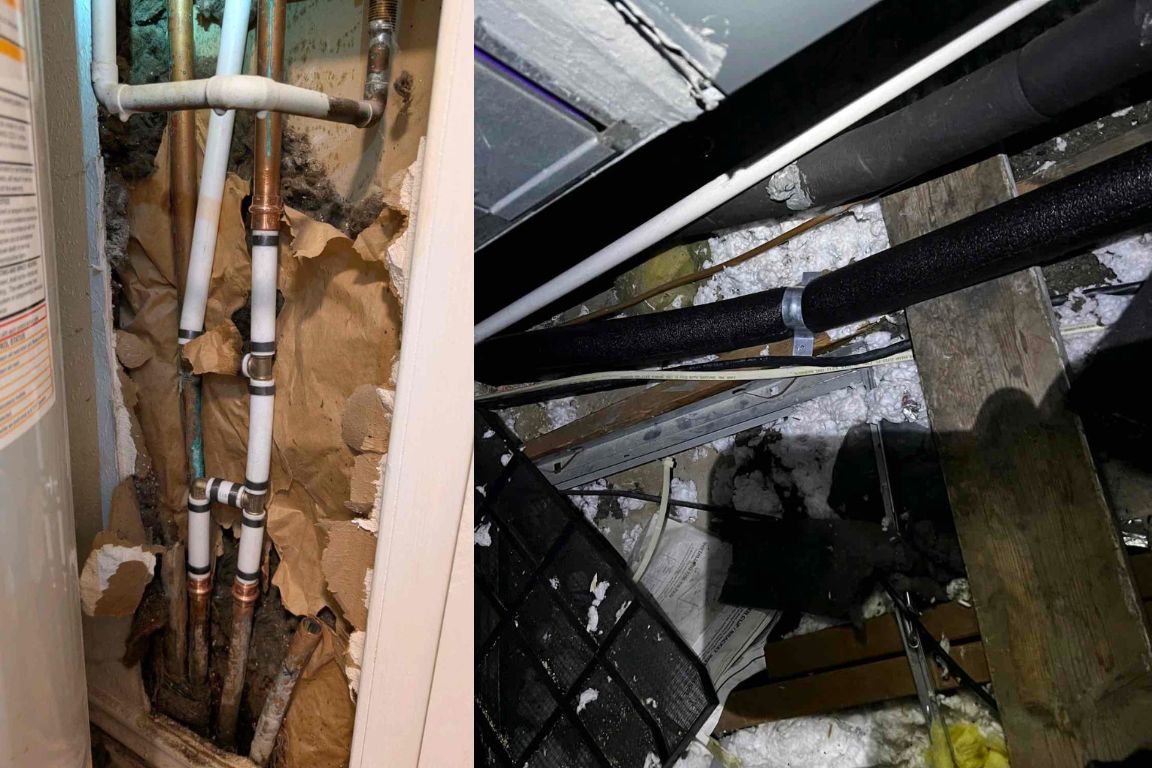
Choose pipe rerouting when tunnel repairs would require breaking through expensive hardscaping, when you have multiple leaks indicating systemic failure, or when the leak sits deep under your home's interior.
Rerouting makes your water line far more accessible for future maintenance, inspection, and repairs—eliminating the need for expensive excavation if problems develop later.
Rerouting is the superior option for widespread corrosion, electrolysis damage, multiple leaks in the same line, and systemic pipe deterioration.
When Pipe Rerouting Saved Damage for Our Customers
A Southlake, TX homeowner reported significant water damage in her slab and subfloor. Leak detection services indicated a broken water pipe underneath her foundation. We chose to reroute a new water line rather than break the slab to perform repairs.
We encountered widespread cast iron sewer pipe failure on a Plano property, where the existing sewer main traveled underneath a large patio structure. It was significantly less expensive to reroute the sewer pipes than to break the patio foundation to perform pipe replacement.
Looking for a different slab leak repair option? Empower your research with our comprehensive DFW guide to slab leak repair options.
{{choose-the-best-dallas-slab-leak-repair-option-for-you="/blogs/choose-the-best-dallas-slab-leak-repair-option-for-you"}}
Mother Modern Plumbing’s Recommendation
The choice between pipe rerouting and tunnel repairs depends on the location, severity, and length of the damaged pipe section that’s causing your slab leak.
If you’re dealing with an accessible pipe repair that doesn’t require a complete replacement of the affected water or sewer line, opt for tunnel repairs.
If your damaged underground pipe is underneath your slab or architecture, or if the entire pipe needs to be replaced, consider pipe rerouting.
The right choice becomes obvious once acoustic leak detection and camera footage pinpoints the exact location. When you see where the leak sits relative to your home's features and what would need to be excavated, you’ll make the best decision for your home.
Call Mother for Dallas Slab Leak Repair and Detection

Mother Modern Plumbing’s technicians bring expert, tech-driven water leak repair solutions to every service call. We’re committed to a smarter approach to slab leak remediation.
Whether you need tunnel repairs or a fresh pipe reroute, our plumbers provide the single best solution to your home’s unique issue.
Licensed plumbers. Clear, no-hassle bids. Clean, thoughtful service. Permanent repair solutions. That’s the Mother promise.
Don’t let that underground slab leak damage your home any longer. Call Mother 24/7 anywhere in DFW for expert slab leak location and repairs on your schedule.
{{slab-leak-repair="/services/slab-leak-repair"}}