.svg)
Same Day Garland Leak Detection Experts

What's Included:
- Fixed Quote Emergency Leak Detection Service
- Underground Leak Detection With No Digging
- Licensed Plumbing Leak Detection Specialists
- "Best in DFW" Leak Locator Technology
- Get Same Day Service!
- Family Owned and Operated
- Fix Your Issue 100% Guaranteed



Professional Leak Detection Service in Garland
Whether it's a damp crack in your bathroom wall or a surprising water bill increase, Garland residents trust Mother Modern Plumbing for same day plumbing leak detection inside and outside their homes.
Our licensed Garland plumbing experts understand the unique stressors that cause local water leaks. We use non-invasive leak location technology to find hidden leaks in your plumbing system without digging holes in your shifting Black clay soil or damaging your walls and plumbing fixtures.
Trust our plumbing leak detection specialists to identify your hidden water leak with precision, then make the single best repair suggestion for your home.
Call Mother's Garland TX plumbers 24/7 to schedule same day leak detection services.
Same Day Leak Detection for Your Urgent Water Leak
Got water damage in your subfloor or a soggy sinkhole in your backyard? Mother's licensed Garland leak specialists are available 365 days a year for emergency service.
Mother's Master Plumbers, fully stocked trucks and advanced location technology are here to find and fix your leaking pipe, including weekends and holidays.
Underground Leak Detection in Garland: No Digging
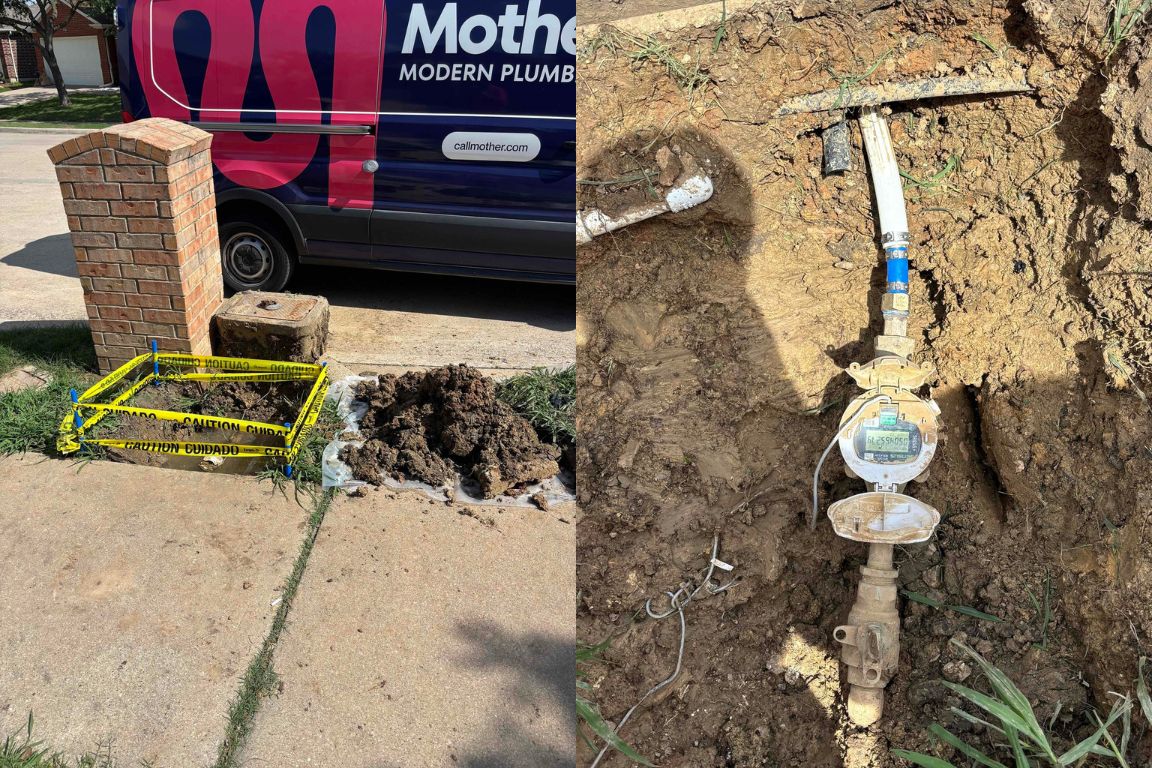
We've seen a significant increase in Garland services for underground leak detection over the last 2 years. The majority of our city's buried residential pipes are 50+ years old and showing signs of structural damage.
- Underground water lines are under constant pressure from shrinking and swelling Black clay soil. Inside the pipe walls, our NTMWD water supply leaves 160+ ppm of hard minerals behind to form scale. The combination of external and internal factors cause regular pinhole leaks and stress fractures in water supply lines.
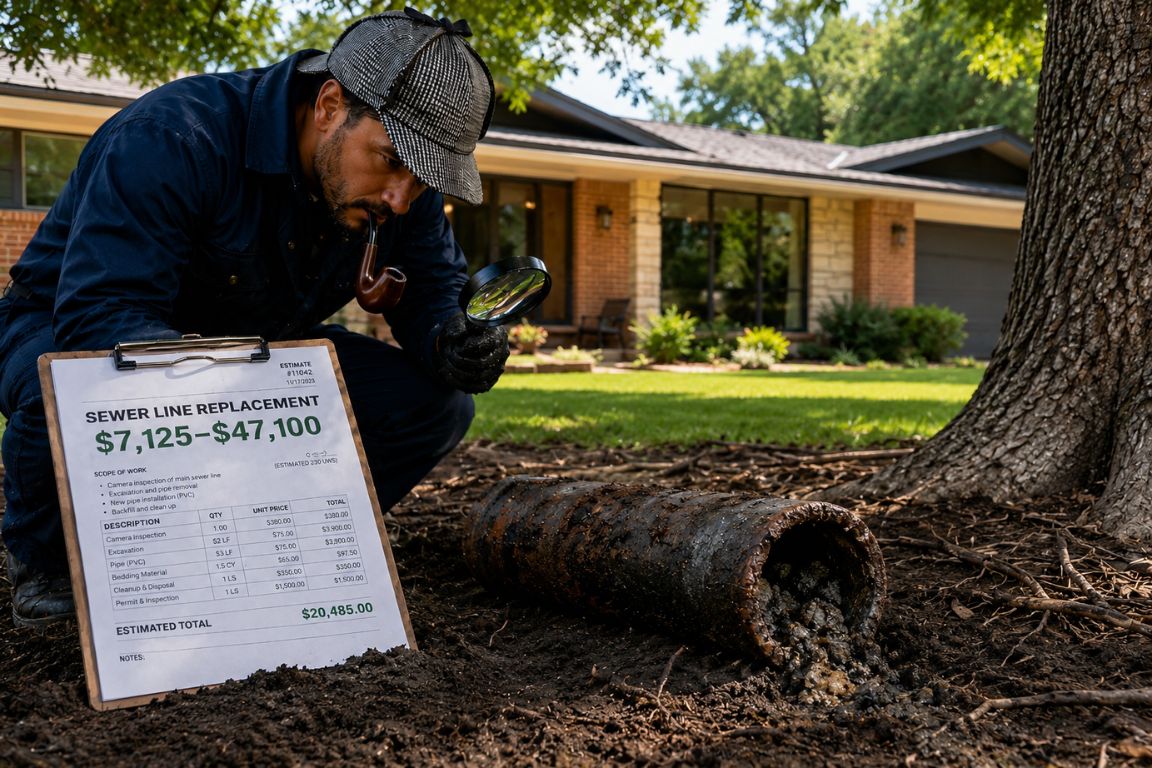
- Sewer line leaks in Garland are usually caused by intrusive tree roots, especially in older neighborhoods and green spaces near Duck Creek and Lou Huff Park. Root systems from oaks, sycamores, pecans and elms penetrate cast iron and older PVC pipes to find organic nutrients.
Mother's plumbing experts use non-invasive leak location tools like infrared thermal cameras and acoustic leak detectors to find underground hidden leaks without digging a single hole.
Underground Leaks Are Common in These Garland Neighborhoods
- Firewheel Estates: The core of Firewheel homes was built in early 1990s. 30+ years of clay soil expansion and contraction means joint separations and small leak issues in buried pipes. Our no-dig water line leak detection ensures your gorgeous landscaping and outdoor living areas aren't disrupted.
- Duck Creek: Living in a greenbelt is serene. In Duck Creek, it also means a variety of trees with aggressive root systems, especially Shumard red oaks and Cedar elms. Root intrusions in original underground cast iron pipes are prevalent here.
Residential Water Leak Detection: Inside Your Home
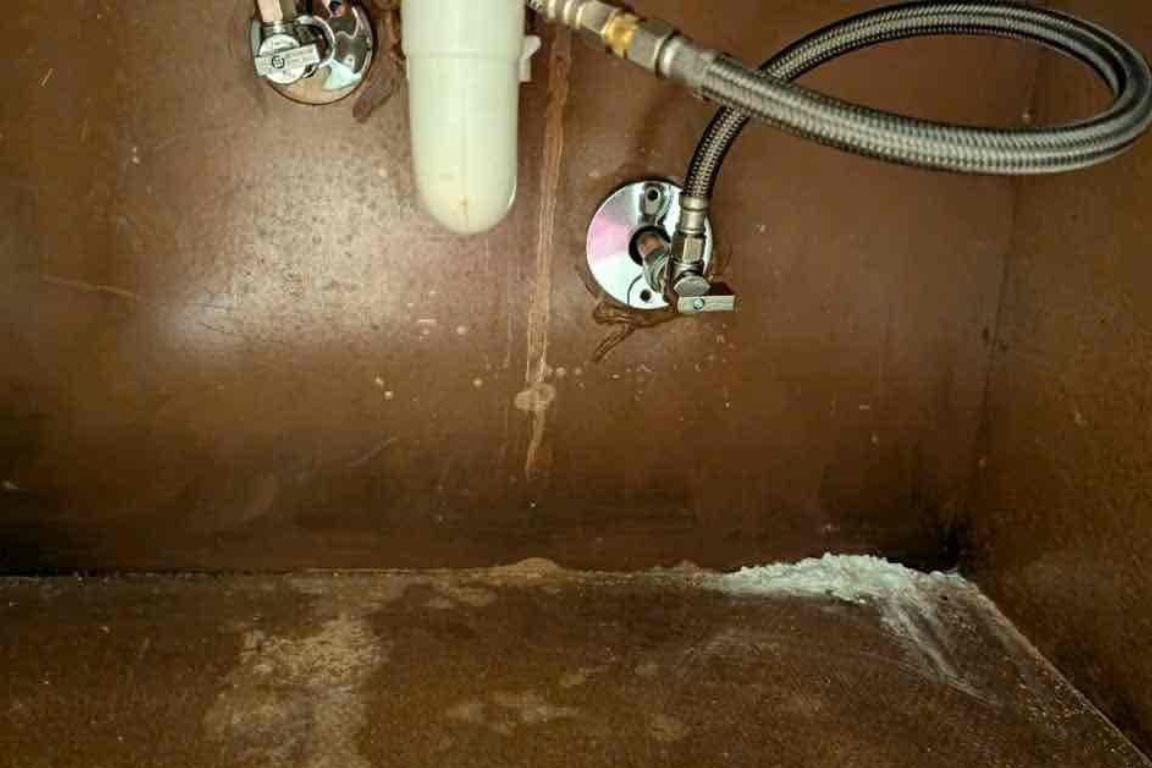
Residential water leaks in Garland are almost always due to high levels of calcium and limescale in the incoming water supply. As these minerals settle out of the water, they form scale buildup that causes electrolysis and pinhole leaks in older copper pipes.
These pressurized plumbing leaks cause significant water damage in drywall, subfloors and second-story ceilings. Over time, they create mold issues and structural damage in your home.
Mother's specialized equipment finds small leaks down to 0.004 inches without opening walls or floors, and without removing any plumbing fixtures.
Garland Neighborhoods Facing In-Wall Pipe Failures
- Parkmont: Many homes in Parkmont were built between the 1970s and 1990s. The original plumbing in these 3-bedroom homes is reaching a point where mineral scale and pipe crowding lead to sudden failures in laundry and kitchen supply lines.
- Oaks At Stoney Creek: These larger family homes feature complex plumbing systems with multiple bathrooms. The high hot water demand in these spacious floor plans puts extra stress on aging copper lines, making them susceptible to pressure-related leaks.
What Sets Our Garland Leak Specialists Apart
Your same day leak detection service begins with a full system audit. We don't just verify the leak exists. We start at your water meter, isolate your main shut-off valve, isolate your hot and cold lines and perform full system testing to pinpoint the specific location and scope of your breach.
We show you proof of your leak. Your full report includes photos, thermal images and camera footage. Use this information to make the best spot repair decision for your damaged pipe, and to assist with your insurance claim.
Leak Detection Equipment We Use in Garland

- Acoustic Detection: We use high-sensitivity microphones to listen through your floors and walls to find the specific sound of pressurized water escaping.
- Hydrostatic Testing: We perform pressure tests on your entire system to confirm if the leak is in your fresh water lines or your drainage network.
- Infrared Thermal Imaging: We use heat-sensing cameras to see moisture patterns that are invisible to the eye.
- Electronic Line Location: These tools map the path of your pipes and identify the exact spot where pressure is dropping.
Find your Garland water leak now. Call Mother 24/7 for destruction-free plumbing leak detection.
Serving Garland’s Neighborhoods with Expert Water Leak Detection
Water leak detection is essential for homeowners in Estates of Pleasant Valley, a well-established Garland neighborhood near Pleasant Valley Road and Shiloh Road. The 1970s-era single-family homes in this community feature aging plumbing systems that are more susceptible to hidden slab leaks and pipe deterioration, making routine inspections critical for preventing costly water damage.
### Gramercy Park
Residents near George Bush Turnpike and Campbell Road in Gramercy Park benefit from professional water leak detection services to protect their newer construction homes. This Garland neighborhood sits close to Firewheel Town Center and features modern rear-garage home designs with complex plumbing layouts that require specialized leak detection equipment to identify issues behind walls and under foundations.
### Jackson Meadows
Water leak detection services are vital for the large single-family homes in Jackson Meadows, located in Sachse near Miles Road and Sachse Road. With homes ranging from 1,500 to over 4,800 square feet built between 2002 and 2014, this community's expansive floor plans and multiple bathrooms create numerous potential leak points that benefit from advanced detection technology.
Estates of Pleasant Valley
Water leak detection is essential for homeowners in Estates of Pleasant Valley, a well-established Garland neighborhood near Pleasant Valley Road and Shiloh Road. The 1970s-era single-family homes in this community feature aging plumbing systems that are more susceptible to hidden slab leaks and pipe deterioration, making routine inspections critical for preventing costly water damage.
Gramercy Park
Residents near George Bush Turnpike and Campbell Road in Gramercy Park benefit from professional water leak detection services to protect their newer construction homes. This Garland neighborhood sits close to Firewheel Town Center and features modern rear-garage home designs with complex plumbing layouts that require specialized leak detection equipment to identify issues behind walls and under foundations.
Jackson Meadows
Mother serves the large single-family homes in Jackson Meadows, located in Sachse near Miles Road and Sachse Road. With homes ranging from 1,500 to over 4,800 square feet built between 2002 and 2014, this community's expansive floor plans and multiple bathrooms create numerous potential leak points that benefit from advanced detection technology.


Justin
Wow. Amazing work done by Mother, amazing customer service and extremely knowledgeable. 10 out of 10, 2 thumbs WAY up. Thank you!!
May 2022

Nathan Towers
October 2023
Kendall A
Best service, most friendly, understanding employees ever! Steven in particular was amazing. I have used them twice now and will never use another plumbing company! Fantastic value for the price as well, I was very impressed with the entire business.
February 2025
Do you offer same-day leak detection in Garland TX?
Do you use electronic leak detection in Garland?
Is there a hidden leak in my Garland yard?
What leak detection equipment do you use?


-(27).webp)
-(22).webp)
-(16).webp)
-(8).webp)




.webp)