.svg)
Fort Worth Water Leak Detection Service

What's Included:
- Fixed Quote Emergency Leak Detection Service
- Underground Leak Detection With No Digging
- Licensed Plumbing Leak Detection Specialists
- "Best in DFW" Leak Locator Technology
- Get Same Day Service!
- Family Owned and Operated
- Fix Your Issue 100% Guaranteed



Leak Detection Services in Fort Worth: Pinpoint Accuracy, No Property Damage
You checked your water bill and the number didn't make sense- it’s $80 higher than last month with no extra house guests and no new sprinkler schedule. There is a leak somewhere, but your yard looks dry and your walls look fine. Even worse, the first plumber you called talked about exploratory digging.
In Fort Worth, we don’t have time for guesswork. Between managing a career in the Alliance corridor and keeping up with the kids' soccer at Gateway Park, you need a solution that finds the breach today without turning your home into a construction site.
Mother’s same day leak detection services are built for you: smart, non-invasive, and driven by high-end technology. Whether the leak is hiding behind your drywall or buried underground in the yard, we find it with pinpoint accuracy.
Call Mother 24/7 for precision water leak detection in Fort Worth.
Plumbing Leak Detection Inside Your Home

Most plumbing leaks inside Fort Worth homes occur in the copper pipes in your walls and subfloor. The incoming water supply from the Fort Worth Water Department is safe- but it's hard and aggressive. It's sourced from the TRWD's raw water delivery, which carries as much 220 parts per million (ppm) of calcium and limescale.
This causes electrolysis and pinhole leaks. We see massive amounts of scale damage in older Fort Worth bathrooms, specifically in-wall leaks near the sink vanity and behind the tile in master showers.
Our licensed plumbers use a mix of thermal imaging and acoustic leak locating equipment to detect leaks down to 0.004 inches.
Interior Plumbing Leaks Are a Problem In These Fort Worth Neighborhoods
- Ridglea Hills: Many homes here have copper lines from the 1950s and 60s that are currently hitting their performance limit after decades of mineral stress.
- Meadowbrook: Established ranch homes in this area often face scale-related failures in laundry and kitchen supply lines.
- Wedgwood: This neighborhood features a mix of materials that are prone to pinhole leaks as the "black gumbo" soil shifts the home’s framing.
Underground Leak Detection Outside Your Fort Worth Home

Fort Worth's Washita Prairie soil is clay-based, but also very thin. Not only does moisture swell the ground around your underground pipes, but it shrinks back horribly when it dries out. When it rains, it pushes on your pipe walls. During droughts, it leaves huge gaps around your pipes.
It's no wonder underground leak detection is our most common leak location service in older Fort Worth homes. Our yard leak detection equipment is 100% non-invasive- we find the leak without a single shovel hitting the dirt. Our technicians protect your property, your mature landscaping and your outdoor living spaces.
We always start with an HD plumbing camera inspection to inspect every inch of your buried plumbing lines without disrupting the soil. Hydrostatic testing confirms drain pipe leaks and sewer line leaks, while electronic leak detection and thermal imaging identify even the smallest gaps in your main water supply line.
Fort Worth Neighborhoods Where Underground Leaks Are Common
- Fairmount: Century-old Craftsman homes often have original galvanized steel lines that have been fighting clay movement for a hundred years.
- Ryan Place: Mature tree canopies in this historic district create root pressure that stresses buried pipe joints.
- Mistletoe Heights: Large lots with extensive main line runs are highly susceptible to the shifting forces of Tarrant County soil.
What Sets Our Fort Worth Water Leak Detection Service Apart
A leak is stressful enough. Finding it shouldn't be. Mother’s leak location process requires no digging, no trenching, and no property damage. We use "see-through" technology to map your plumbing before we ever discuss repairs.
Leak Location Equipment We Utilize
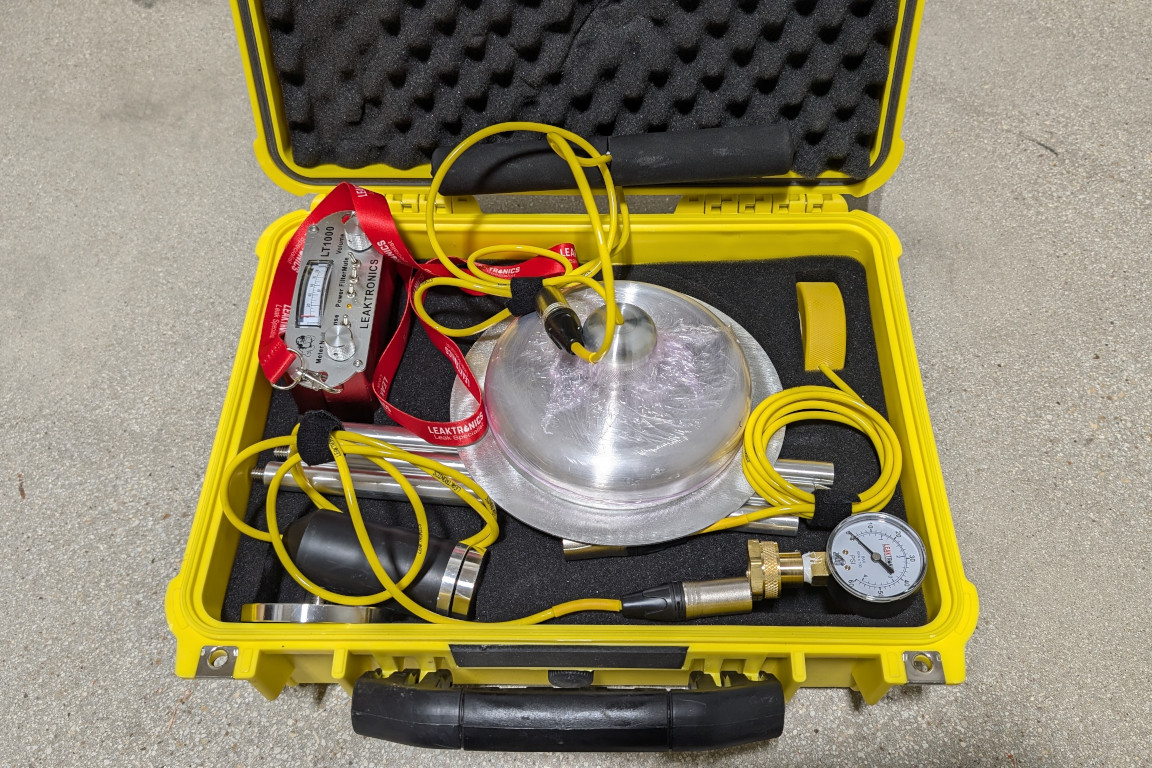
- Electronic Leak Detectors: The gold standard. Uses acoustic and thermal sensors to "hear" and "see" leaks.
- Acoustic Leak Locating Equipment: Triangulates the sound of water escaping pipes through concrete or soil.
- Infrared Thermal Imaging: Maps temperature anomalies in walls and floors caused by escaping water.
- Hydrostatic Testing: Pressure tests that confirm the integrity of your entire pipe network. Ideal for sewer main leaks.
- HD Camera Inspections: Provides visual proof of the interior condition of your drainage lines.
Neighborhoods in Fort Worth Where We Deliver Expert Water Leak Detection
Water leak location is essential for Ridglea homeowners, where mid-century modern and ranch-style homes built in the 1950s-60s line the streets near Camp Bowie Boulevard and the historic Ridglea Theater. The aging galvanized and copper plumbing in these established properties near Ridglea Country Club makes them particularly susceptible to hidden slab leaks and pipe corrosion.
### Berkshire
Berkshire residents live in this newer master-planned community located in north Fort Worth near I-35W and the Alliance Town Center shopping district. The large, recently constructed single-family homes feature modern plumbing systems, but rapid development and shifting North Texas clay soils can still cause foundation movement and unexpected pipe stress.
### Chisholm Trail Ranch
Water leak detection is a smart investment for Chisholm Trail Ranch homeowners in this 600-acre master-planned community in southwest Fort Worth, conveniently located off Chisholm Trail Parkway near Brewer Boulevard. The brand-new construction homes by builders like Lennar feature contemporary plumbing, but early detection services help protect these investments from potential settling-related leaks common in newly developed Texas subdivisions.
Ridglea
Ridglea homeowners face in-home leaks in their mid-century modern and ranch-style homes built in the 1950s-60s line the streets near Camp Bowie Boulevard and the historic Ridglea Theater. The aging galvanized and copper plumbing in these established properties near Ridglea Country Club makes them particularly susceptible to hidden subfloor leaks and pipe corrosion.
Berkshire
Berkshire residents live in this newer master-planned community located in north Fort Worth near I-35W and the Alliance Town Center shopping district. The large, recently constructed single-family homes feature modern plumbing systems, but rapid development and shifting North Texas clay soils can still cause foundation movement and unexpected pipe stress.
Chisholm Trail Ranch
Water leak detection is a smart investment for Chisholm Trail Ranch homeowners in this 600-acre master-planned community in southwest Fort Worth, conveniently located off Chisholm Trail Parkway near Brewer Boulevard. The brand-new construction homes by builders like Lennar feature contemporary plumbing, but early detection services help protect these investments from potential underground pipe breaks caused by settling Washita Prairie clay soil.


Jim Lowry
Definitely a 5 STAR company!! I was contacted by Mother Modern Plumbing (admin office) within two hours of my service call. They were genuinely interested in my comments about the call and what if anything could be done to improve the service or experience. Michael (technician) was very honest about my situation. Which was that I did not have a leak. I appreciated his honesty. My main comment was, that the technology that is presented and promoted on the website, primarily works inside homes and not in outdoor yard areas as well. The technology was the primary reason I wanted someone to come out so that the yard would not get dug up looking for a problem. It was refreshing to have “genuine” interest in my experience and want HONEST feedback. They wanted to make sure my experience was positive - it definitely was. I will be contacting them in the future for any plumbing issues.
June 2026

Shelia Williams
I had A water leak that I didn't know where it was located. Tyler came out and access the problem and found out snd found the leak.it was not a plumbing problem. He referred me to a company that could help me. He was very nice and knowledgeable about his profession. I would use them again. Will recommend them to family and friends. Thank you Mothers Modern Plumbing.
June 2025

Amber Lowrey
Chris was extremely personable and professional, and did not make me feel bad about knowing next to nothing about plumbing or how to describe exactly what our issues were. He kept me informed every step of the way as to what he was doing and what he discovered while investigating. We were more than pleased and will definitely call Mother for any future plumbing needs.
May 2023
Do you offer same-day leak detection in Fort Worth?
Why are my Fort Worth floors soggy?
What are signs of a Fort Worth hot water leak?
What leak detection equipment do you use?
What are warning signs of an underground pipe leak?


-(27).webp)
-(22).webp)
-(16).webp)
-(8).webp)