.svg)
No-Dig Water Leak Detection in Arlington TX

What's Included:
- Fixed Quote Emergency Leak Detection Service
- Underground Leak Detection With No Digging
- Licensed Plumbing Leak Detection Specialists
- "Best in DFW" Leak Locator Technology
- Get Same Day Service!
- Family Owned and Operated
- Fix Your Issue 100% Guaranteed



Identifying Arlington Water Leak Warning Signs
Finding a hidden leak is a quiet threat to your home equity. In Arlington, water leaks often hide behind the scenes until they cause significant structural trouble.
In-Home Water Leak Symptoms
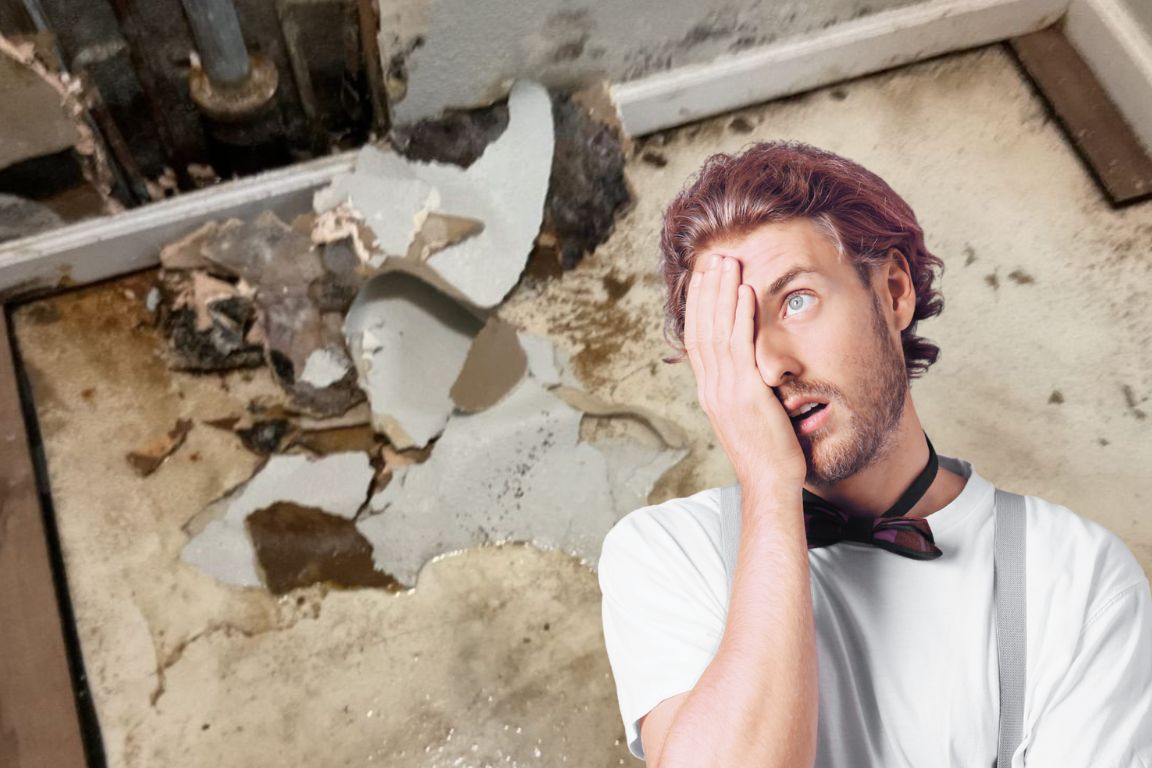
Water stains on your drywall or bubbling paint near baseboards are the first signs of trouble. In neighborhoods like Lakewood, these leaks often start as tiny pinholes in copper supply lines. These pinholes occur as original pipes from the 1970s and 1980s reach their mechanical limit. You might notice a musty odor or a warm spot on the floor that indicates a "silent killer" of your home's interior finishes.
Yard Leak Warning Signs in Arlington
A yard leak usually hides in the main service line between the city meter and your house. You might see a patch of grass that is much greener than the rest of your lawn. In areas like Prestonwood Estates, the mature landscaping and tree-lined streets create a high risk for root intrusion. These large trees seek out moisture in the shifting soil and can snap buried lines, causing your water meter to spin constantly even when faucets are off.
Local Red Flags of a Slab Leak
A slab leak occurs under your concrete foundation and is a direct threat to your home's stability. If you hear the sound of rushing water behind a wall or feel moisture seeping through your floorboards, you likely have a breach under the slab. Over time, this water undermines the soil. This leads to new cracks in your foundation or exterior brickwork, which is a common issue for the established homes in Olde Towne.
Call Mother 24/7 to schedule same-day plumbing leak detection in Arlington, TX.
Mother’s Precision Leak Detection Service in Arlington
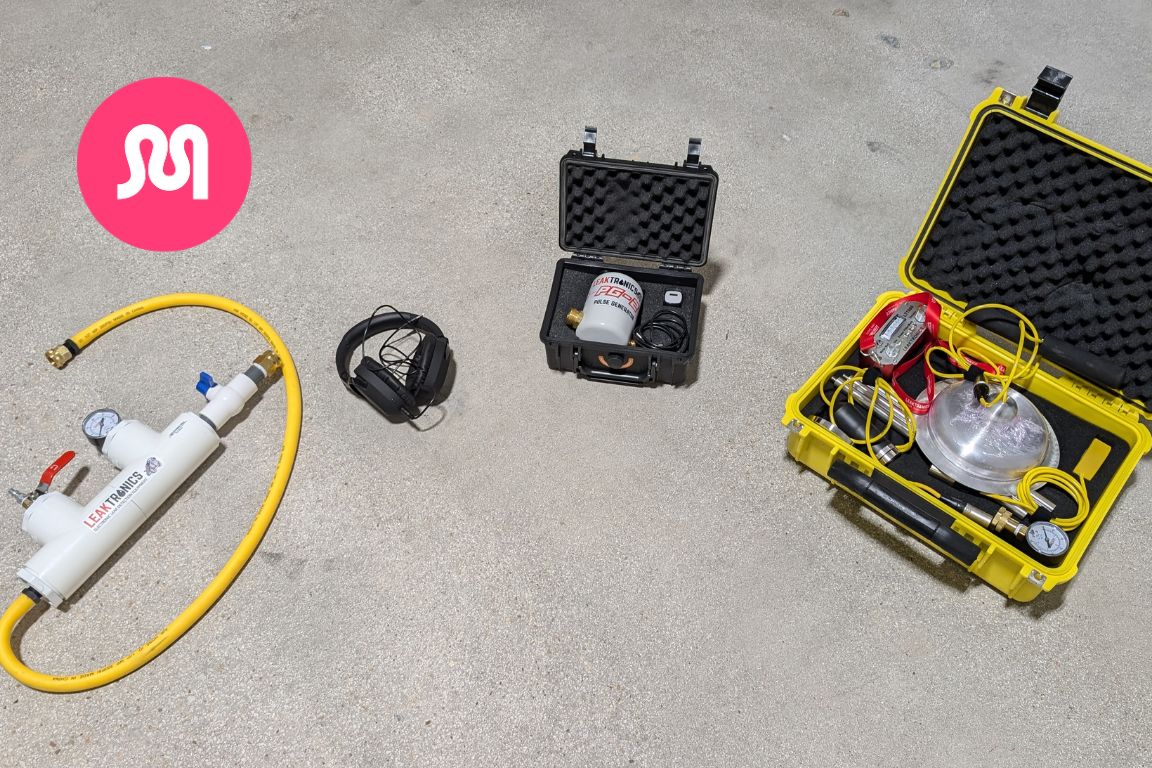
We treat leak detection like a forensic investigation. Our team uses a data-driven process to find the exact origin of your water loss without the need for guesswork. We start with a full system audit to quantify your water loss before deploying our specialized sensors.
Discover our full leak detection service process at https://www.callmother.com/services/leak-detection.
How We Find Leaks Without Property Damage
The "old way" of finding leaks involved cutting holes in drywall or jackhammering your floors just to find a pipe. That approach is decades behind the times. At Mother, we use non-invasive technology to map your plumbing before we ever discuss a repair.
Our technicians are trained on advanced equipment that allows us to see through solid surfaces. We find the breach with pinpoint accuracy so your home stays intact.
- Acoustic Listening Devices: These high-sensitivity microphones help our team triangulate the sound of water moving through concrete or soil.
- Hydrostatic Testing: These pressure tests confirm if your entire pipe network is holding water.
- Infrared Thermal Imaging: This maps temperature shifts to find hidden moisture plumes behind your walls.
- Electronic Leak Detection: This uses sensors to hear and see exactly where a pressurized line has failed.
- Plumbing Cameras: High-definition cameras on cables show us the interior condition of your drainage lines.
Arlington’s Aggressive Mineral Load and Interior Leaks
Arlington water carries a moderately hard mineral load of approximately 5.3 grains per gallon. As this water flows through your home, minerals form a rock-hard scale buildup inside your plumbing. This scale causes electrolysis, which eats away at the metal and creates pinhole leaks in your pressurized supply lines.
Local Neighborhoods Where In-Home Water Leaks Are Common
Lakewood features mature homes in South Arlington with copper piping that is highly susceptible to mineral deposits and pinhole leaks. This neighborhood is located near major shopping centers where the established residential infrastructure is currently facing decades of mineral stress.
Viridian is a newer master-planned community in southwest Arlington that includes the Elements 55+ neighborhood. While these homes use modern PEX plumbing, the mineral accumulation still targets water heaters and fixtures, making regular descaling and filtration a necessity to prevent early leaks.
Why We Love Thermal Cameras for In-Wall Leaks
Mother’s technicians deploy thermal imaging technology to find leaks without peeling back your wallpaper. Since leaking water is usually a different temperature than your home's ambient air, the camera reveals the exact path of the moisture. In the Arlington climate, this allows us to find the breach before mold has a chance to take hold in your master bath or kitchen.
{{leak-detection="/services/leak-detection"}}
Shifting Clay Soil and Your Yard Lines

Arlington is built on expansive clay soil that acts like a sponge. It swells with massive force when it rains and shrinks during a drought. This movement creates intense pressure on your buried water main. When the soil shifts, it can snap a joint or crush an older metal pipe with ease.
We Frequently See Yard Leaks In These Neighborhoods
Prestonwood Estates is an established neighborhood in central Arlington characterized by ranch-style homes and massive, mature trees. These large lots create greater potential for yard leaks because the wider expanses of shifting clay soil put constant stress on the original cast iron and copper lines.
Lakewood residents also face frequent yard leaks due to the combination of 1970s infrastructure and heavy root pressure. The mature landscaping in this south Arlington community often leads to roots infiltrating underground pipe joints, which expand as the soil moves during seasonal changes.
Electronic Leak Detectors and Yard Breaches
Our technicians deploy electronic leak detectors to find the exact location of an underground failure. These tools use acoustic sensors to hear the specific high-pitched frequency of water escaping a pressurized pipe. This ensures we mark the exact spot on your lawn with surgical precision, keeping your landscaping beautiful and intact.
{{yard-leak-locating="/services/yard-leak-locating"}}
Foundation Settlement and Slab Leak Damage
The same clay that pressures your yard lines also moves beneath your house. As the soil under your slab dries out and shrinks, it creates empty pockets. When the water returns, it floods those gaps. This corrodes older copper pipes and causes the foundation to settle unevenly.
Neighborhoods At Risk of Slab Leak Damage
Olde Towne in East Arlington features homes near the downtown district where foundation settling is a frequent challenge. These established properties often experience slab leaks as the aging underground infrastructure struggles to stay intact against the force of shifting soil.
Prestonwood Estates also faces high failure rates as original 1970s materials reach their mechanical limit. The combination of mature landscaping and active clay soil creates significant settlement stress on the original slab-on-grade installations in this neighborhood.
How Mother’s Technicians “Hear” Your Slab Leak
We use acoustic listening devices to hear through several inches of concrete foundation. These sensors pick up the specific sound of a pressurized leak, allowing us to triangulate the break. In Arlington, this forensic approach is the only way to find a leak safely without the need for exploratory digging or damaging your floors.
{{slab-leak-repair="/services/slab-leak-repair"}}
Serving Arlington’s Neighborhoods with Expert Water Leak Detection
Homeowners near Cooper Street and Sublett Road rely on no-dig water leak detection to protect their mature landscaping and established 1980s-era single-family homes. This tree-lined community northeast of Mansfield benefits from trenchless methods that preserve driveways and gardens without excavation.
### Autumnwood
Residents along Fallwood Drive near Highway 360 and I-20 experience issues with aging plumbing lines in this East Arlington apartment and rental community. Early leak location- especially for pinhole leaks to copper pipes in bathroom walls- saves renters money and protects their security deposit.
### Deerwood Park
Families near Park Springs Boulevard and Green Oaks Boulevard choose non-invasive water leak detection to safeguard their well-maintained single-family homes built in the 1990s. This peaceful neighborhood northwest of South Arlington features established landscaping and mature trees that trenchless technology helps preserve during repairs.
Arbor Oaks
Homeowners near Cooper Street and Sublett Road rely on no-dig water leak detection to protect their mature landscaping and established 1980s-era single-family homes. This tree-lined community northeast of Mansfield benefits from trenchless methods that preserve driveways and gardens without excavation.
Autumnwood
Residents along Fallwood Drive near Highway 360 and I-20 experience issues with aging plumbing lines in this East Arlington apartment and rental community. Early leak location- especially for pinhole leaks to copper pipes in bathroom walls- saves renters money and protects their security deposit.
Deerwood Park
Families near Park Springs Boulevard and Green Oaks Boulevard choose non-invasive water leak detection to safeguard their well-maintained single-family homes built in the 1990s. This peaceful neighborhood northwest of South Arlington features established landscaping and mature trees that trenchless technology helps preserve during repairs.



Kim Geigner
Definitely recommend this plumbing company. If you have plumbing issues. Call them. They have helped me with water leaks at three separate properties. Jerry and Steven have both been extremely professional. I believe they went above and beyond to assess the situations and offer fair and reasonable repairs. My Modern Mother Plumbing experiences have been excellent.
March 2025

Russell Bundy
Josh was able to locate 3 leaks that other plumbers missed. He also made me aware of another issue that was about to become a problem. Unfortunately the rates to repair the leaks were substantially higher than the competition so we didn’t have him perform the repairs. I feel confident that he would have done a great job. Highly recommend for leak detection
January 2026

Eric Przybysz
Adam showed up right on time and was super professional and friendly. He got one of the jobs done very quickly, and he didn’t even charge me! He was straightforward with me about another job being more complicated than I expected, and gave me multiple options on how to repair. I will absolutely be using Mother Modern again.
April 2026
Do you offer same-day leak detection in Arlington TX?
Why is my Arlington water bill so high for no reason?
Is there a hidden leak in my Arlington TX yard?
What leak detection equipment do you use?
What should I check before calling for leak detection in Arlington?


-(27).webp)
-(22).webp)
-(16).webp)
-(8).webp)