Expert Plano Drain Cleaning Service at One Fixed Price
What's Included:
- Up to 100' of drain line cleaning
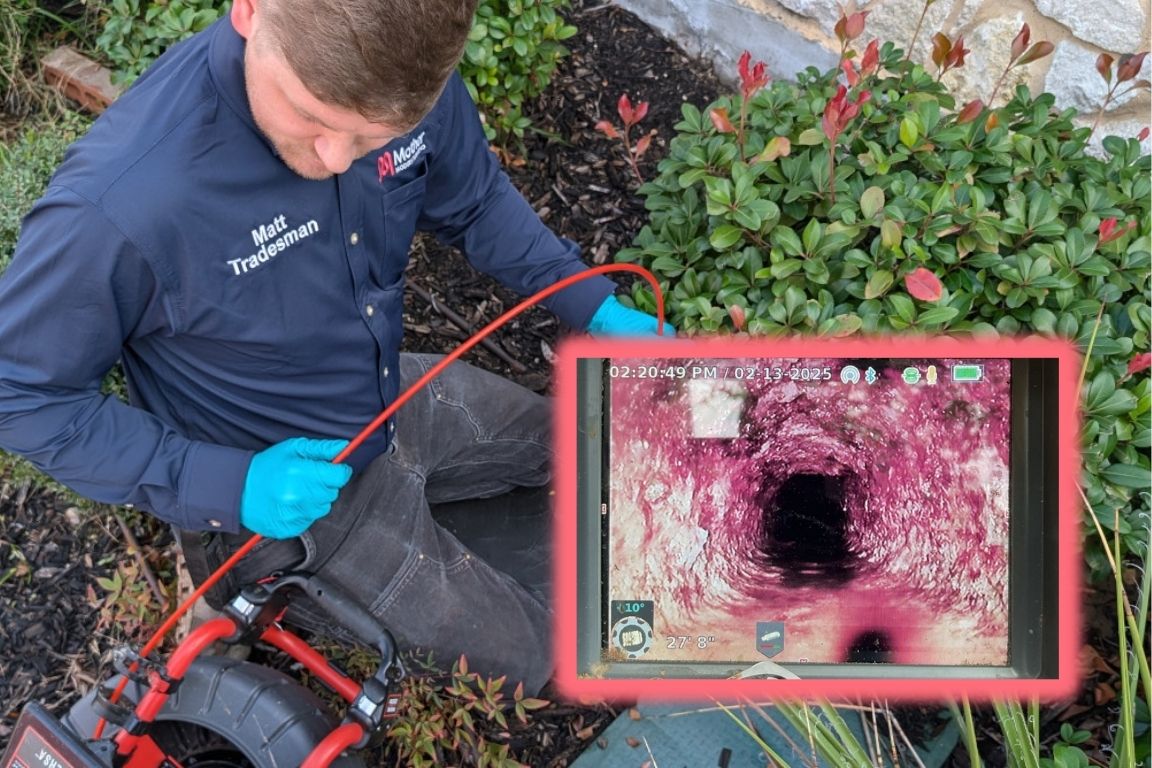
- Camera inspection + footage
- 120-day no clogs guarantee
- Get Same Day Service!
- Family Owned and Operated
- Fix Your Issue 100% Guaranteed



.webp)
Same Day Plano Drain Cleaning From Local Experts
A busy week of corporate meetings and managing a household schedule requires a fully functioning Plano home. When you step into your Willow Bend kitchen to find 2 inches of brown water in the sink, your day is immediately derailed.
At Mother Modern Plumbing, we staff our Plano office on Teakwood Lane with licensed, local drain cleaning specialists. Mother delivers same day drain clog removal service at one flat, fixed price. Your all-in $299 drain cleaning appointment includes:
- Complimentary drain camera inspection and footage review
- Organic drain cleaning products - no caustic chemicals or abrasive ingredients
- Free bottle of Endure enzyme drain cleaner for ongoing drain maintenance
- Fixed quote pricing and a 120 day no clogs guarantee. If your drain backs up within 120 days, we come back and fix it for free.
Your home is getting smarter every day. Thanks to Mother, so is drain cleaning in Plano.
Call our Plano plumbing office 24/7 to schedule same day drain cleaning service at one flat rate.
Mother's $299 Plano Drain Cleaning Service
Clogged drains are messy. Our quotes aren’t.
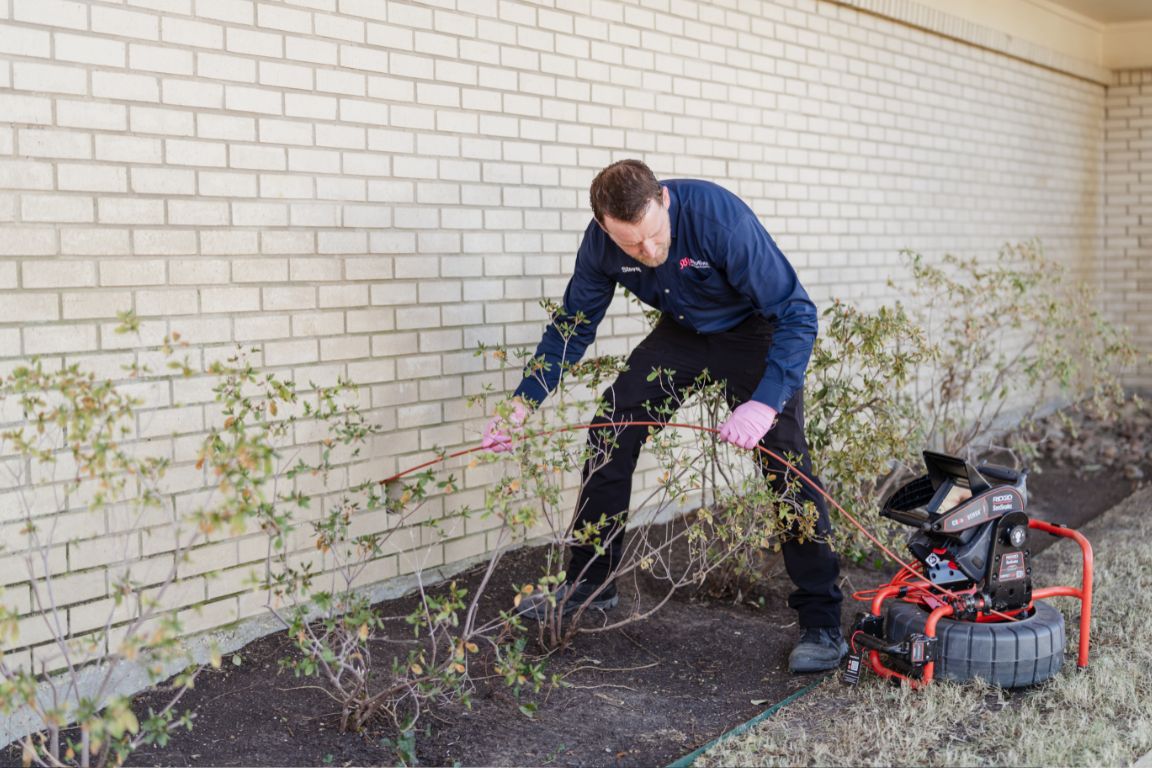
Mother provides a flat-rate $299 drain clearing service designed to eliminate the anxiety of traditional hourly billing. This all-in service gives you a dedicated technician, a diagnostic camera inspection, and professional line clearing to get your household running smoothly again.
We provide every Plano drain cleaning customer with a free bottle of Endure- the same non-toxic enzyme drain cleaner our technicians use. Apply it every 30 days for clear drains that last.
We handle everything required for your Plano TX drain cleaning, providing a clear digital paper trail of our findings and our workmanship protections for your permanent home files.
Local Causes of Drain Backups in Plano Neighborhoods
The mature oak roots that back up wastewater pipes in Hunters Glen Estates present very different drain cleaning challenges from the cast iron pipe corrosion in Park Forest.
Here’s why home drainage issues happen in your Plano neighborhood:
- Old Shepard Place: Built during the 1970s and 1980s expansion, these properties face severe soil stress. Shifting Blackland Prairie clay fractures older underground sewer lines, allowing moisture-seeking tree roots to enter the pipes and completely block wastewater flow.
- Whiffletree: These 1990s developments frequently feature flat-grade plumbing layouts that slow down wastewater velocity. Liquefied cooking fats from busy kitchens cool and solidify into thick mats before reaching the municipal main, causing chronic backups.
- Willow Bend: These custom modern estates feature intricate, high-capacity drainage networks. Clearing lines here requires advanced, non-invasive diagnostics to safely clear debris while protecting high-end finishes like premium marble and custom hardwoods from backflows.
You Need Advanced Plano Drainage System Repair

When a basic hand snake fails to clear a stubborn blockage, it is a sign that the problem is deeper within your main wastewater lateral. Simple store-bought solutions only punch a temporary hole through a clog, ensuring that the backup will return within a matter of weeks.
Permanent relief comes when you hire a professional drain cleaning company Plano TX trusts. Here’s why your neighbors call Mother.
Mother's Modern Drain Clearing Solutions
Our technicians deploy specific, high-performance methods to return your wastewater lines back to their original design specifications.
- Professional Drain Snaking: We use high-torque mechanical augers equipped with specialized cutting heads to clear dense hair clogs and mill away stubborn root intrusions.
- Non-Toxic Enzyme Treatments: We apply professional-grade biological clearers that digest organic waste layer by layer without harming older plumbing materials.
- Complimentary Bottle of Endure: Every professional main line clearing includes a free bottle of Endure drain treatment to help keep your kitchen lines clear of grease accumulation.
The Value of a Drain Camera Inspection in Plano
Dark black clay soil (Vertisol) across the Plano area causes significant ground movement under your Plano home. Underground plumbing and main drain lines are highly susceptible to sagging, joint separation, and structural cracking. Our technicians use a waterproof HD plumbing camera before performing any Plano drainage system repair or cleaning.
This way, you’ll know for sure that the blockage is in your drain pipe and not deeper in the sewer line. Avoiding unnecessary work saves time and money. We love that.
Causes of Clogged Drains Plano Homeowners Hate
We get one question from our local customers more than any other: "Why are there so many drain clogs in Plano homes?"
Plano's unique environmental variables accelerate the process until a complete backup occurs. Our technicians regularly clear a combination of household waste and mineral buildup that cause clogged drains in local kitchens and bathrooms.
- Mineral Scale Buildup: Hard minerals from the NTMWD water supply settle inside the pipes, building a rough layer along the inner walls. This buildup catches organic waste and creates dense blockages that plungers cannot clear.
- Kitchen Grease and Cooking Fats: Your Toyota commute, the kids’ after-school schedule- it’s easy to just pour grease down the sink. But hot oils cool rapidly inside the drainage line, binding to the pipe walls and trapping food debris.
- Hair Mats and Soap Scum: Bathroom drains collect binding materials that combine with organic waste, choking off flow velocity and leading to slow drains.
Restore Perfect Drainage Flow to Your Plano Home
A home drainage backup is a stressful disruption, but it can be resolved permanently with data-driven diagnostics and professional execution. Mother Modern Plumbing eliminates the guesswork, clears the toughest blockages, and provides the documentation to prove the job was completed correctly.
Most of our residential drain cleaning appointments are successfully completed in 1-2 hours. Our Plano technicians arrive with a full suite of augers, jetting equipment, and diagnostic cameras, allowing us to locate, verify, and resolve the blockage in a single visit.
Stay ahead of the curve with Mother's Pipeline. Your membership includes a $300 annual drain cleaning coupon- enough to cover the cost of yearly service.
Proudly Providing Expert Drain Cleaning in Plano’s Neighborhoods
Mother provides drain cleaning service in Kings Gate, an exclusive gated community located south of Spring Creek Parkway between Midway Road and Plano Parkway. With luxury estate-style homes on large lots featuring complex plumbing systems, residents near the scenic trails and community lake benefit from professional drain maintenance to protect their high-end properties.
### Stone Lake Estates
Stone Lake Estates is a family-friendly neighborhood just minutes from Celebration Park with large, well-maintained homes. Homes in this community near Steeplechase feature extensive plumbing that requires regular drain cleaning to keep systems flowing smoothly.
### Pasquinellis Willow Crest
Drain cleaning is essential maintenance in Pasquinellis Willow Crest, a charming subdivision in the heart of Collin County featuring midsize, reasonably priced homes. These well-established residences with multiple phases throughout the neighborhood often have aging plumbing that benefits from routine drain cleaning to prevent buildup and clogs.
Kings Gate
Mother provides drain cleaning service in Kings Gate, an exclusive gated community located south of Spring Creek Parkway between Midway Road and Plano Parkway. With luxury estate-style homes on large lots featuring complex plumbing systems, residents near the scenic trails and community lake benefit from professional drain maintenance to protect their high-end properties.
Stone Lake Estates
Stone Lake Estates is a family-friendly neighborhood just minutes from Celebration Park with large, well-maintained homes. Homes in this community near Steeplechase feature extensive plumbing that requires regular drain cleaning to keep systems flowing smoothly.
Pasquinellis Willow Crest
Drain cleaning is essential maintenance in Pasquinellis Willow Crest, a charming subdivision in the heart of Collin County featuring midsize, reasonably priced homes. These well-established residences with multiple phases throughout the neighborhood often have aging plumbing that benefits from routine drain cleaning to prevent buildup and clogs.



Nick Plenger
Josh was able to quickly resolve my clogged drain issue just by running his camera line through my clean out. He also ran his camera through my other clean out. We were both able to see real time that there were no breaks in my cast-iron sewer lines. He answered all my questions about potential options in repairing my 47 year-old sewer line in the future. Josh also took a look at a leaky shower handle. I had in my bathroom and gave me a recommendation on how I could fix it myself. I highly recommend Mother Modern Plumbing.
November 2025

Thomas Allen
Mother’s came out to assess a sewer drainage leak that we had. Colton and his team were extremely helpful, and very knowledgeable. They came to my house within 24 hours of me calling, and were incredibly thorough and fair. Steven and Colton were great, and the pricing was extremely transparent. I like the fact that everything was digital and emailed to me!
July 2025

Dorit Katz
Josh was great, thorough and honest which are big things when it comes to plumbing and sewer lines. As a local real estate agent, I'm happy to say that I personally use companies that I also recommend.
June 2025
How much does drain cleaning cost in Plano?
Why are my drains clogged in Plano?
Why didn't Drano work in my Plano drains?


-(27).webp)
-(22).webp)
-(16).webp)
-(8).webp)