Home Sewer Backup? What to Do Right Now


in this article
In this article
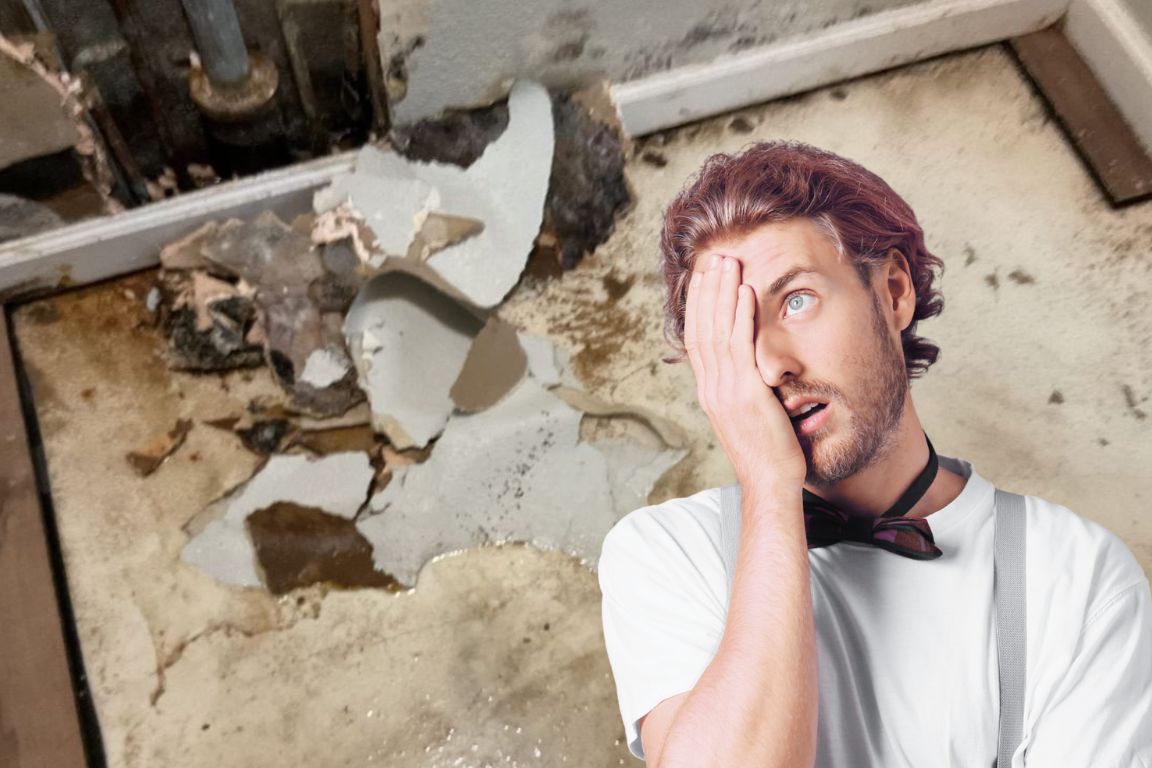
It usually starts with something ordinary, like running the kitchen sink. Next thing you know, there's brown water in the bathtub. Those aren't separate clogs. It's one sewer line backup with nowhere to send the water except the lowest drains in the house.
If there’s sewage backing up into your house, stop using every drain immediately. Don’t run any water. Get your family and pets away from the wastewater, and make sure it’s nowhere near your electrical panel or outlets. And no matter what, don’t DIY- this is a home sewage emergency. Don’t go near it.
That’s what to do right away when you discover a home sewer backup. In this article, our Master Plumbers outline the six vital steps to take in the first 10 minutes- and the two things to never do.
We’ll save you the sales pitch. Right now, you need answers and clear steps. So here they are.
Never DIY, Never Clean It Yourself
Here’s the most important piece of advice as you assess your home sewer backup: Don’t touch the standing wastewater. Don’t approach it. Don’t try to clean it. Ever.
“You need two biohazard certifications from the IICRC to handle and remove sewage from a house,” says our Responsible Master Plumber Steven Smith (RMP-43457). “Avoid the temptation to clean it up, and don’t trust any DIY articles that say you can.”
1. Immediately Stop Using Water
Every drain in your house leads to one main drain pipe that connects to the main sewer line underground. That main line carries all your wastewater out to the city sewer system.
Think of your main sewer line like a hallway in an apartment building. If that hallway’s blocked, it doesn’t matter what room you’re in- nobody’s getting through.
"One of the sides of the house got clogged, and then water started to come up on the opposite side of the house through the toilet and the shower." -- recent Mother Customer
Even though your wastewater can’t flow forward properly, it still needs somewhere to go. It finds the easiest escape route- the lowest drains in your house. That’s why most sewer backups happen in floor drains, first floor bathroom fixtures and utility sinks.
That means running any water makes the backup worse- no matter what drain you use.
“I see it all the time,” Steven explains. “Someone thinks it’s okay to run the dishwasher because the backup’s only in their master bathroom. Next thing you know, the sewage is coming back up even faster.”
{{fast-plumbing-answers-your-house-sewer-line-diagram="/blogs/fast-plumbing-answers-your-house-sewer-line-diagram"}}
Prepare to Go Without Running Water for Awhile
Being told to stop using every drain is hard advice when it means no working toilet, a baby in the house, or a business run from home. Here's how to get by until your house is back to normal.
- Pick up a gallon of water per person per day. It seems like a lot- until you consider drinking, sponge baths and boiling a little water.
- Switch to disposable plates and utensils. You can't use the dishwasher during a sewer backup anyway. So break out those paper plates and throw-away forks.
- Lean on your neighbors. Ask your best neighbor if they can spare a guest bathroom for showers, brushing teeth and toilet trips.
- Stick to non-prep foods. This isn't just for convenience- it eliminates wasting drinking water on food prep, and it limits the pile up of dishes while repairs happen.
2. Get People and Pets Away From the Water
If your main sewer line backs up into your home, the standing water is Category 3 Black Water. This means it’s “grossly contaminated” with bacteria, pathogens and toxins.
It requires professional extraction, heavy-duty microbial treatment, and removal of all carpet, drywall and baseboard it touches.
Nobody should go anywhere near the wastewater in your house. Get your family, pets, children and roommates away from the affected area immediately.
Contact with sewage- touching, ingesting or inhaling- exposes you and your loved ones to a host of disease, bacteria, and other harmful contaminants:
- E. coli
- Salmonella
- Hepatitis A
- Norovirus and rotavirus
- Giardia and other parasites
- Legionella
- Mold spores
And sewage contamination isn’t just about “what you flush”. It can also contain ammonia, bleach, flushed medications, and harmful methane and hydrogen sulfide sewer gases.
3. Call a Licensed Plumber, Not a Handyman

Better yet, call an experienced DFW sewer specialist. They don’t just know how to diagnose and fix your sewer backup- they have the local knowledge to understand precisely what to look for.
The primary causes of sewer blockages in DFW homes vary by neighborhood. A handyman won’t know that. Our licensed plumbers do:
- Aging cast iron pipes corrode in neighborhoods like Ryan Place, the M Streets and University Park.
- Pockets left in dried-out soil cause sewer bellies in areas with high clay concentrations like Oak Cliff, Ridglea and Wedgwood.
- Yards saturated with groundwater put 10,000 PSF of direct pressure on buried sewer lines in the Trinity River Floodplain and near Fish Trap Lake.
- Heavy cooking oil and grease use creates nasty “FOG clogs” that back up main sewer lines in high-density districts like Deep Ellum and Downtown Dallas.
When your plumber knows what to look for, you avoid exploratory digging and guesswork. That means less time wasted searching for your clog and a faster repair.
Sewer water backing up into your DFW home? Call Mother 24/7 for same day sewer backup repair and priority scheduling.
{{emergency-repair="/services/emergency-repair"}}
Get a Sewer Camera Inspection, Not a Guess
Every sewer line assessment needs a camera inspection. Without one, your contractor is trying to fix a problem they can’t see.
Modern HD sewer camera equipment enters your main line on a flexible cable. Your plumber shows you the precise location of the blockage in real time, with visual proof of its location and severity.
After the stress of discovering wastewater in your house, sewer camera footage puts you back in control. You see the problem, identify the best service option, and get on with your repairs- and your normal way of life.
4. Shut Off the Water Main and All Appliances
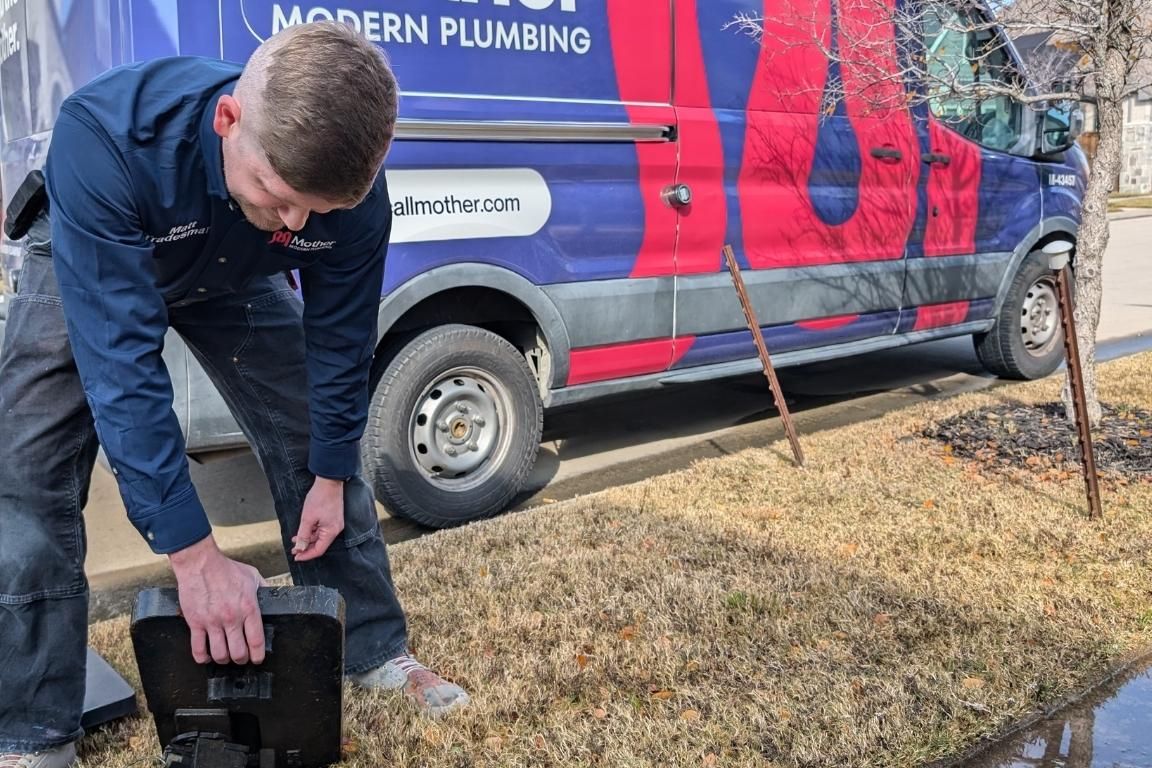
Locate your main water shut-off valve. Turn the incoming water supply off throughout the house.
In our DFW service area, most residential shut-off valves are located in one of three areas. Listed in order of likelihood:
- Buried box near the street. The meter box is usually a plastic or concrete box labeled “Water”.
- Along the front exterior wall. Look near outdoor faucets and hose bibs.
- Next to the water heater. If your shut-off valve is inside the home, it’s most commonly found where the water line enters the home.
Shutting off the incoming supply prevents any more water from draining into your backup. (If the valve is indoors and near wastewater, call a plumber to handle this.)
Then, turn off all electrical appliances in your house. This prevents fatal electrocution hazards and electrical fires. It also protects your appliance motors from wastewater damage.
Again, only turn off the appliances you can safely reach without coming in contact with sewage.
5. Safely Check for Electrical Hazards
Without touching or approaching these areas, check if standing black water is near any of these fixtures or appliances:
- Electrical panel
- Water heaters: both electric and gas
- HVAC equipment: furnace, boilers, indoor AC air handlers
- Sump and ejector pumps and their power cords
- Entertainment systems: TVs, speakers, gaming consoles, and power bricks
- Networking gear: Computers, modems, Wi-Fi routers, battery backup UPS
- Smart home devices: Plug-in smart plugs, robot vacuum charging docks
- Stand-alone dehumidifiers
- Washing machines and dryers
- Dishwashers
- Refrigerators and freezers
- Electric ovens and ranges
- All floor outlets and receptacles
- Electric baseboard heaters
- Power strips and extension cords
If you can get to your electrical panel without crossing any wastewater, shut off the power to your home. This ensures any water that gets near appliances in the future won’t cause any damage or risk your health.
When to Call 911 Instead of a Plumber
If you observe any of these four things, evacuate the house and call 911 right now:
- Electrified Water: If you feel a slight tingling or vibrating sensation near the spill zone, the standing water is already carrying a live electrical current.
- Water Reaches the Electrical Panel: If sewage has made physical contact with the main electrical breaker box OR is pooling directly under it, and you can’t safely reach the main power shut-off switch.
- Active Arcing or Smoke: If you see sparks, smell burning wire insulation (a sharp, fishy, or metallic plastic smell), or hear buzzing and popping sounds coming from any submerged outlet, appliance, or power strip.
- Gas and Spark Hazards: If the backup reaches the electronic ignition of a gas water heater or furnace, and you smell the distinct odor of natural gas (mercaptan) alongside the sewer gas.
If you’re not sure whether these are happening or not, leave and call 911 anyway. It’s better to make a mistake for your health than one that hurts you.
6. Document the Damage for Insurance
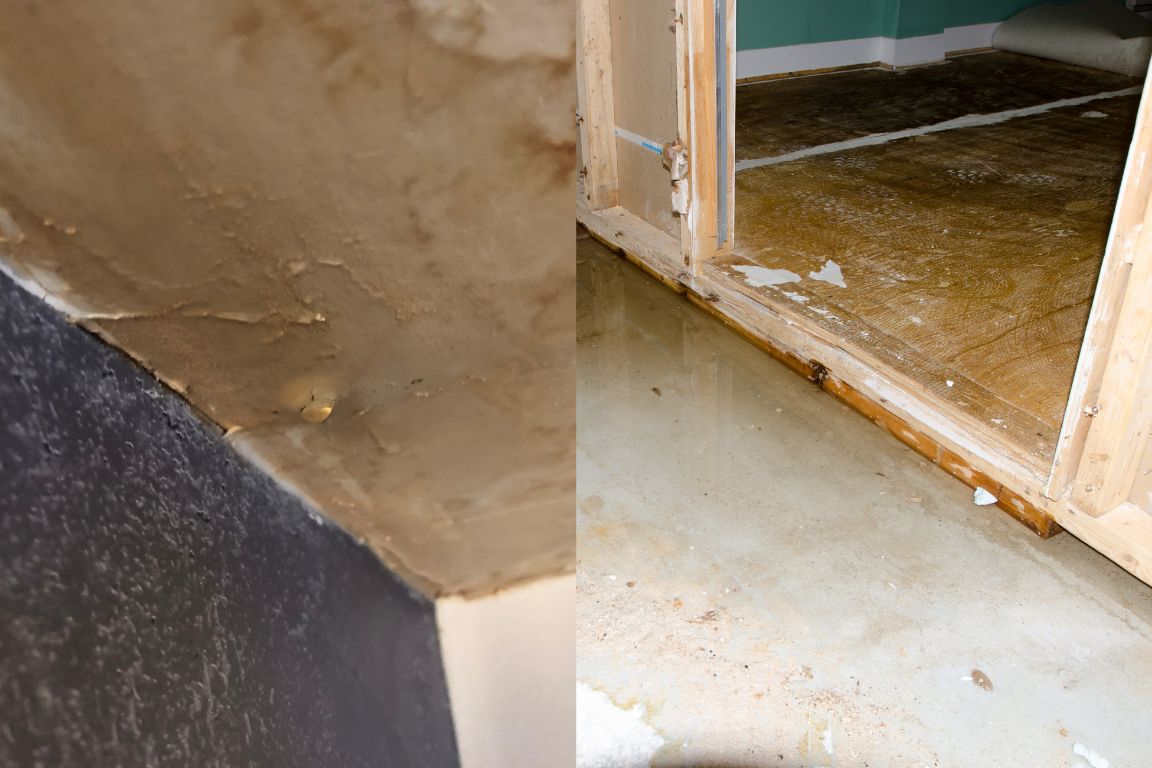
Pull out your phone and take any photos and videos of the sewage- and the damage- that you can.
Visual proof of the backup before any repair or remediation is done is immensely helpful in two ways:
- It shows your licensed plumber the scope of the damage- and potentially a clue as to its source.
- It might help your chances of filing a successful insurance claim.
What You Should Take Photos and Videos Of
Here are the photos and videos you should try and capture if you experience a sewer backup in your home, and why:
Bad Advice from DIY Articles
Don’t be tempted to “get a jump on containment and repairs” while you wait for your plumber to arrive. We’ve seen two pieces of horrible advice in other DIY articles- don’t do either of these things.
Never Try to Plug the Drains
Some online articles explain how to “seal off low drains” when sewage backups happen in your house. Don’t ever do this. It won’t just make you sick. It will compound your plumbing problems:
- Pipe ruptures. Air flow from your sewer vents is crucial. Plugging your backed-up drains adds pressure to your sewer system. Worst case scenario, your under-slab sewer pipes will crack and cause a massive sewage slab leak.
- Wax ring blowout. The next lowest point besides first floor drains is the seal around the base of your toilet. Plug up the affected drain, and raw sewage will destroy the wax ring and erupt from under your commode. Ruined floorboards, wrecked baseboards, and thousands of dollars in extra repairs.
Don't Use Chemical Drain Cleaners
Drain cleaning products don’t fix sewage backups. They’re designed to clear a shallow surface clog in your sink, toilet or shower- not a complex blockage in your main line or deeper in your main drain pipe.
Chemical drain cleaners aren’t just ineffective against wastewater backups. They make them worse.
When their active ingredients enter standing water, the heat from caustic chemicals melts PVC sewer lines and weakens the interior walls of older cast iron pipes.
By the time our licensed plumbers arrive, your black water backup is now a toxic chemical bath that’s eating your pipes from the inside.
24/7 Home Sewer Backup Service in DFW
What you do (and don’t do) in the first 10 minutes after you experience a home sewer backup is critical. Stop using your drains, turn off the water, and turn off the electricity if it’s safe to do so. Get your family and pets out of the house- and call 911 if you suspect an electrical hazard.
Document the damage, then call a trusted licensed plumber with local sewer experience. Their sewer camera inspection will reveal the precise cause of your blockage, its location and severity. Together, you’ll review the footage and map the best repair service for your home.
Sewage crisis in your DFW home? Mother’s sewer backup service team is here 24/7 to answer your call.
{{emergency-repair="/services/emergency-repair"}}