.svg)
Gas Leak Detection in Garland

What's included:
- 24/7 emergency concierge: call us anytime
- Priority scheduling with a licensed specialist
- Precision accuracy with no property damage
- Get Same Day Service!
- Family Owned and Operated
- Fix Your Issue 100% Guaranteed


Travis Wright
Our technician, Connor, did a fantastic job. Seems like a good guy with a good head on his shoulders. He pinpointed our gas leak quickly, and completed the repair in under an hour. We had a small issue with our invoice, but after speaking with Matthew we came to a reasonable resolution. I can honestly say Mother Modern cares about doing the job right and ensuring their customers are satisfied.
February 2025

Zach Blais
Mother plumbing did an amazing job for us - we moved into a new house and discovered a gas leak in the water heater. They were out within an hour to identify the spot of the leak and repair with a new line. Thank you!
March 2025
Mubina A.
Mother Ship was piloted by Josh! it was Saturday morning and he sent out a text that he is on his way. He was thorough, very knowledgeable, polite and professional. He finished his job and bought my gas and water heater plumbing up to code. My million Thanks to Josh and Matt.
May 2025

Bryan Davis
Appreciate the fast service and same day assistance. Steven is an excellent technician, has great communication and very informative about gas leak detection. Highly recommend SND Plumbing!
December 2024
Davis B.
The quality of service, and communication was outstanding. Rick serviced our home and we were very happy with his work!
December 2024

Nancy Solls
Joe and Luke at Mother Modern Plumbing did a fantastic job moving our complicated gas line today! They were professional in every way! I HIGHLY recommend Mother Modern Plumbing AND Joe and Luke!!!
July 2025

griff8585
The plumber (Colton) and his assistant (Luke) showed up as scheduled. I even received a photo of Colton and his work experience/bio in a text before he arrived. I appreciate that level of detail by this company. Colton made a good first impression - he was well-spoken and professional. I needed a check up on my gas line to the stove. He was able to successfully inspect it for a possible leak and provided a good solution. I will definitely call them again.
August 2025

Kwok Grant
Called modern plumbing and explained that the city of Dallas required an inspection to turn on the gas, and Mel explained the process thoroughly. Mario came out next day, explained to me the process of certifying our gas fixtures and gas lines and making sure it would pass the pressure test. Spent a good hour and a half ensuring a successful inspection by the city. Furthermore, Mel was instrumental in dealing with the city inspector as he asked questions. Very professional company, relieved me of dealing with the stress of dealing with the city of Dallas. Problem solved by the Grace of God. Thank you Jesus!
November 2025

Gas Leak Detection in Garland
You smell rotten eggs near the stove in your Parkmont kitchen. You pack the kids into the car, get out of the house, and call Atmos- it’s a potential gas leak.
This is an emergency situation: you can’t wait, and you don’t want a shady plumber who takes advantage of a crisis.
Meet Mother: Garland’s specialist for pinpoint, electronic gas leak location. Same-Day Response, Licensed Technicians, and Upfront Pricing.
Call us 24/7 for immediate scheduling anywhere in Garland.
Immediate Safety: What to Do if You Smell Gas
If you smell a "rotten egg" odor or hear a hissing sound near your gas lines, you must act quickly. Natural gas is highly flammable, and your safety is the first priority.
- Ventilate and Leave: Open windows and doors if you can, and get everyone out of the house immediately.
- Avoid Sparks: Do not flip light switches, use your phone, or start your car in the garage.
- Call for Help: From a safe distance outside, call the Atmos Energy emergency line at (866) 322-8667.
- Call Mother: Once the utility company has secured the area, call Mother Modern Plumbing to locate and repair the leak.
Signs Your Garland Home Has a Gas Leak
Gas leaks don't always smell strong. Sometimes they are small "weeper" leaks behind a wall or underground that cause problems over time.
Watch for these warning signs:
- The Rotten Egg Smell: This is a chemical called mercaptan added to gas so you can find leaks by scent.
- Hissing or Whistling: You hear a faint "whoosh" sound near your stove, water heater, or behind a wall.
- Dead Patches in the Grass: If you see a brown or yellow patch in your yard along the path from the gas meter, gas may be leaking into the soil.
- High Gas Bills: A sudden jump in your Atmos Energy bill when you haven't changed your habits usually means gas is escaping somewhere.
- Physical Symptoms: If you feel dizzy, nauseous, or have a headache while at home, but feel better when you leave, you may have low-level gas exposure.
Precision Detection for Garland Neighborhoods
We don't use "soapy water" and guesswork. We use industrial-grade technology to find the exact source of the leak so we can fix it without tearing up your home.
- Electronic "Sniffers": We use combustible gas detectors that find gas at levels your nose can’t smell.
- Pressure Testing: We use precision gauges to confirm if your system is airtight or if gas is escaping.
- Fixed Quotes: You get one clear price for the detection and a separate quote for the repair before we start.
Why Garland’s Home Gas Infrastructure Fails
The Soil and Age Factor in Garland
Garland’s older neighborhoods face higher risks for gas leaks because of two main factors: aging pipe materials and shifting soil.
- Houston Black Clay: Garland sits on expansive clay soil. This ground swells up when it rains and shrinks during a drought. This constant movement puts a lot of stress on rigid metal gas pipes. Over time, joints can loosen or fittings can fail.
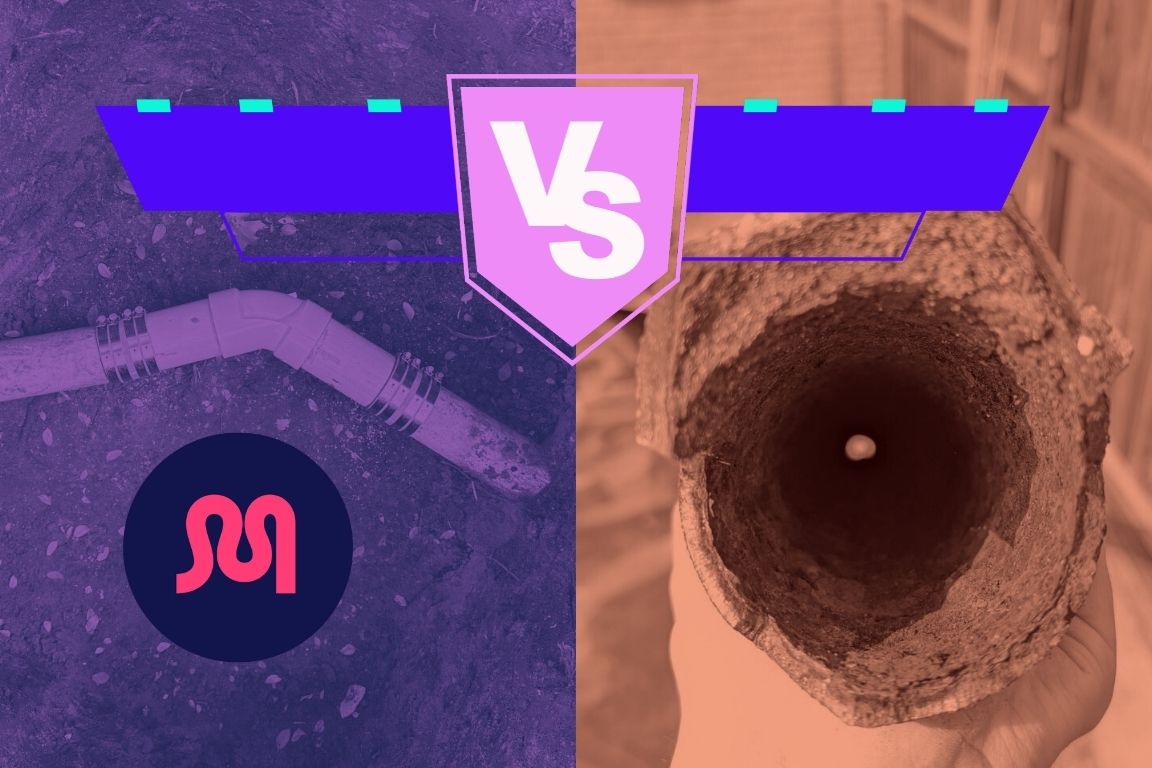
- Corroding Pipes: In neighborhoods like Old Embree and Country Club Estates, many homes were built before 1970. These houses often have original galvanized gas lines. These pipes rot from the inside out over 50 years, making them thin and prone to multiple small leaks.
- The 2021 Freeze Damage: The extreme freeze in February 2021 stressed gas connections all over the metroplex. We are still finding leaks today in areas like Duck Creek and Downtown Garland that started during that record-breaking cold.
Neighborhood-Specific Risk Profiles
- Old Embree & Downtown: These areas have the oldest infrastructure. We focus on finding interior leaks where the original piping has become brittle.
- Country Club Estates: In these established homes, we often find underground leaks caused by decades of soil movement and pipe corrosion.
- Firewheel Area: Newer homes here are less likely to have corroded pipes, but foundation shifts can still cause leaks at the connection points to your furnace or water heater.
The Day-of Experience: Your Emergency Gas Leak Detection Experience
- Safety Sweep: We start by checking the air quality in your home to ensure it is safe to work.
- System Map: We locate your meter and all gas appliances to understand how your specific system is laid out.
- Electronic Detection: We use calibrated "sniffers" to sweep every valve, joint, and connection.
- Pressure Testing: We perform a "pressure decay" test. If the pressure drops, we know there is a leak. We then isolate different sections of the house to find exactly where it is.
- Documentation: You get a full report of our findings and a clear plan to fix the problem.
How Electronic Detectors Work
We use technology called Combustible Gas Indicators (CGIs). These tools are much more sensitive than the human nose. They can detect natural gas in "parts per million."
When we move the sensor near a leak, it picks up the trace amount of gas escaping and gives us a digital reading. This allows us to find leaks behind drywall or under floors without having to cut holes just to "see" what's happening.
The Mother Promise: Safety First, Every Time
We stand behind our detection work with a Satisfaction Guarantee. All of our gas work is overseen by a licensed Master Plumber and meets the latest Garland safety codes. When we leave, your gas system is verified, your family is safe, and your home is secure.
Call us 24/7 for precision gas leak location anywhere in Garland.
Serving Garland’s Neighborhoods with Expert Gas Leak Detection
Gas leak detection in Country Brook South serves homes built primarily in the 1980s and 1990s near the intersection of Country Club Road and Brand Road, where aging gas lines in these established single-family residences require regular inspection. Located close to Firewheel Town Center and the George Bush Turnpike, this quiet neighborhood's mature housing stock makes professional gas leak detection essential for maintaining safety.
### Firewheel Farms
Gas leak detection in Firewheel Farms protects the well-maintained single-family homes situated near Firewheel Town Center and President George Bush Turnpike in northeast Garland. This family-friendly neighborhood features properties with sizeable yards and leafy streets, where underground gas lines serving these 1990s-era homes benefit from routine leak detection services to ensure household safety.
### Villages Of Valley Creek
Gas leak detection in Villages of Valley Creek addresses the unique needs of this "village" concept neighborhood featuring nine cul-de-sac streets with center greenbelts near Highway 190 and Firewheel Mall. With homes ranging from $345K to $389K and easy access to Highway 30 and Highway 75, the established housing stock in this community requires vigilant gas leak detection to protect families in these 1,800-2,600 square foot residences.
Country Brook South
Country Brook South features homes built primarily in the 1980s and 1990s near the intersection of Country Club Road and Brand Road, where aging gas lines in these established single-family residences require regular inspection. Located close to Firewheel Town Center and the George Bush Turnpike, this quiet neighborhood's mature housing stock makes professional gas leak detection essential for maintaining safety.
Firewheel Farms
Gas leak detection in Firewheel Farms protects the well-maintained single-family homes situated near Firewheel Town Center and President George Bush Turnpike in northeast Garland. This family-friendly neighborhood features properties with sizeable yards and leafy streets, where underground gas lines serving these 1990s-era homes benefit from routine leak detection services to ensure household safety.
Villages Of Valley Creek
Gas leak detection in Villages of Valley Creek addresses the unique needs of this "village" concept neighborhood featuring nine cul-de-sac streets with center greenbelts near Highway 190 and Firewheel Mall. With easy access to Highway 30 and Highway 75, the established housing stock in this community requires vigilant attention to aging gas lines to protect families in these 1,800-2,600 square foot residences.
Why is my gas line making a hissing noise?
Why do gas leaks smell bad?
What are signs of a gas leak outside my house?


-(27).webp)
-(22).webp)
-(16).webp)
-(8).webp)