Is Sewer Repair Covered by Insurance? We Asked an Agent


table of contents
table of contents
There's a broken sewer pipe in your home. The only thing worse than the smell of sewage backup is the repair cost. It'd be a relief if your insurance company helped out- but will your homeowners insurance cover the bill?
We spoke to Paxten Volbrecht, Director of Agency Operations at Jacobs Insurance Solutions, to gain expert clarity and actionable tips for homeowners trying to get their insurance provider to cover the cost of sewer repairs.
The bad news: Most standard homeowners insurance policies don’t cover sewer repair or sewer line replacement without a specific add-on or additional coverage. The good news: Paxten shared the 2 policy add-ons and 3-step plan to greatly improve your claim's approval odds.
Mother's DFW sewer line specialists and Master Plumbers show you how to take the necessary steps to file a claim, document your plumbing issue and get your sewer line repair covered by insurance.
Need Dallas sewer repair? Call Mother 24/7- we’re here to answer your call. Use priority scheduling to get the first appointment!
{{sewer-line-repair-and-replacement="/services/sewer-line-repair-and-replacement"}}
Why Insurance Doesn't Cover Sewer Line Repair (Usually)

The language in your home insurance policy doesn't cover sewer line damage or repairs. Your policy is designed to cover sudden, accidental property and water damage events.
Paxten stresses the importance of the phrase “sudden and accidental”. It's the difference between your sewer catastrophe being covered by a standard policy- or not.
“Sudden and Accidental”: When Your Sewer Damage is Covered
While it's not a 100% guarantee, the best chance of your standard home insurance policy covering a sewer line break or sewage backup is a sudden and accidental damage event.
Flash floods, hurricanes, a tree falling on your property and damaging the sewer line. These situations cause unexpected pipe breaks and wastewater backups you couldn't have prevented. Your policy is more likely to provide coverage.
Preventable Sewer Damage Isn't Covered by Standard Policies
You aren't covered when your homeowners insurance carrier classifies your sewer line issue as a preventable maintenance problem. A few notable examples of “preventable” sewer arguments:
- Sewage backups: Carriers argue that regular sewer line cleaning and maintenance clear clogs before backups occur.
- Corrosion: Over time, your pipes and sewer lateral naturally degrade. Damage due to age or normal wear and tear is generally not covered.
- Root intrusions: Tree roots growing into and damaging sewer pipes are a common cause of breaks and are often excluded from standard policies.
{{root-intrusion-in-sewer-line="/blogs/root-intrusion-in-sewer-line"}}
You're a busy homeowner with a hectic life. Between work, the kids, and your “above ground problems”, it's hard to keep an eye on what's happening to your underground sewer pipes.
When that unfortunate sewer event occurs, two policy add-ons can save you from a rejected claim.
Two Sewer Line Coverage Add-Ons That Protect Your Claim

Homeowners worried about sewer line failure can purchase two add-ons (also called “riders”) that provide additional coverage for sewer-related events- service line coverage and water backup coverage.
Service Line Coverage (also known as Buried Utility Line Coverage)
What it covers: This is the most direct type of coverage for damage to underground service lines on your property, including sewer lines, water pipes, electrical lines, gas lines, and communication cables.
Types of damage covered: Depending on the specific policy, this add-on can cover damage from:
- Wear and tear
- Rust and corrosion
- Tree root intrusion
- Freezing
- Mechanical breakdown
- Electrical breakdown
- Collapse
- Weight of vehicles or equipment
- Excavation accidents (even by the homeowner)
- Rodents or insects
Additional benefits: Many service line coverage policies also help pay for:
- Excavation costs
- Repair or replacement of the damaged line
- Landscaping restoration (e.g., reseeding lawns, replacing shrubs)
- Loss of use expenses (if your home is uninhabitable due to the damage)
- In some cases, upgrades to more efficient or environmentally friendly materials.
Important Note: This coverage is specifically for damage to the service line itself.
Water Backup Coverage (also known as Sewer Backup Coverage)
What it covers: This endorsement primarily covers damage to your home and personal belongings caused by water or sewage backing up through drains, sewers, or overflowing from a sump pump.
Relation to sewer line breaks: If a broken sewer line causes sewage to back up into your home, this coverage would typically address the damage inside your house.
What it typically doesn't cover: It usually does not cover the repair or replacement of the broken sewer line itself.
Key benefit: It helps with the often costly expenses of cleaning, repairing, and replacing flooring, walls, furniture, and other personal property damaged by the backup. It may also cover additional living expenses if you have to move out temporarily.
If you don't have these add-ons when disaster strikes, there are still three things you can do to improve the chances of insurance coverage.
Improve Your Sewer Line Coverage Odds in Three Steps
If you discover a broken sewer pipe, act quickly and strategically. Paxten advises homeowners to take these 3 actions, in this specific order, to improve your chances of being covered.
- Contact a Reputable Plumber: Obtain a thorough assessment of the damage, the likely cause, and a detailed repair or replacement estimate.
- Document Everything: Take clear photos and videos of the broken pipe, the surrounding area, and any resulting damage. Keep all plumber reports and invoices.
- Locate Your Insurance Policy: Have your policy documents readily available.
As you take these steps, here are 3 important things to know about the calls to make, and your liability.
Always Call Your Insurance Agent First, Not Your Carrier
Contact your insurance agent first- not your insurance carrier, Paxten says.
“If you have an agent, you can speak to the agent about the policy without it going on your claims history," she explains. "So you can have a conversation with me, and it might not go on your claims record. If you have a conversation with a carrier directly, that's going on your claims record, 100%.”
Speaking with your agent allows you to discuss the situation and understand potential coverage before filing a formal claim, which can impact your claims history even if your claim is ultimately denied.
Call a Licensed Master Plumber to Increase Your Approval Odds
The difference between approved and denied claims often hinges on proper documentation from sources that your insurance provider trusts. This includes an inspection and quote from a certified Master Plumber.
A detailed report from a qualified plumber can provide crucial information about the cause of the break, which is vital for your insurance claim. Clear documentation (photos, videos, plumber's report) strengthens your case and helps the insurance adjuster understand the situation.
Hiring a plumber for DFW sewer repair? Learn what to look for in a fair project quote- and the red flags to avoid.
{{dfw-sewer-repair-quotes-8-things-to-check-before-you-sign="/blogs/dfw-sewer-repair-quotes-8-things-to-check-before-you-sign"}}
Understand Sewer Line Liability: You or the City?
You are responsible for the entire sewer line from your house to its connection with the city or municipal line. Past that connection, it becomes the city’s responsibility.
If you’re unclear about responsibility for sewer line damage, read our guide to when the city’s on the hook for your repairs.
{{5-times-the-city-pays-for-your-sewer-repair="/blogs/5-times-the-city-pays-for-your-sewer-repair"}}
How to Prepare For a Future Sewer Line Event
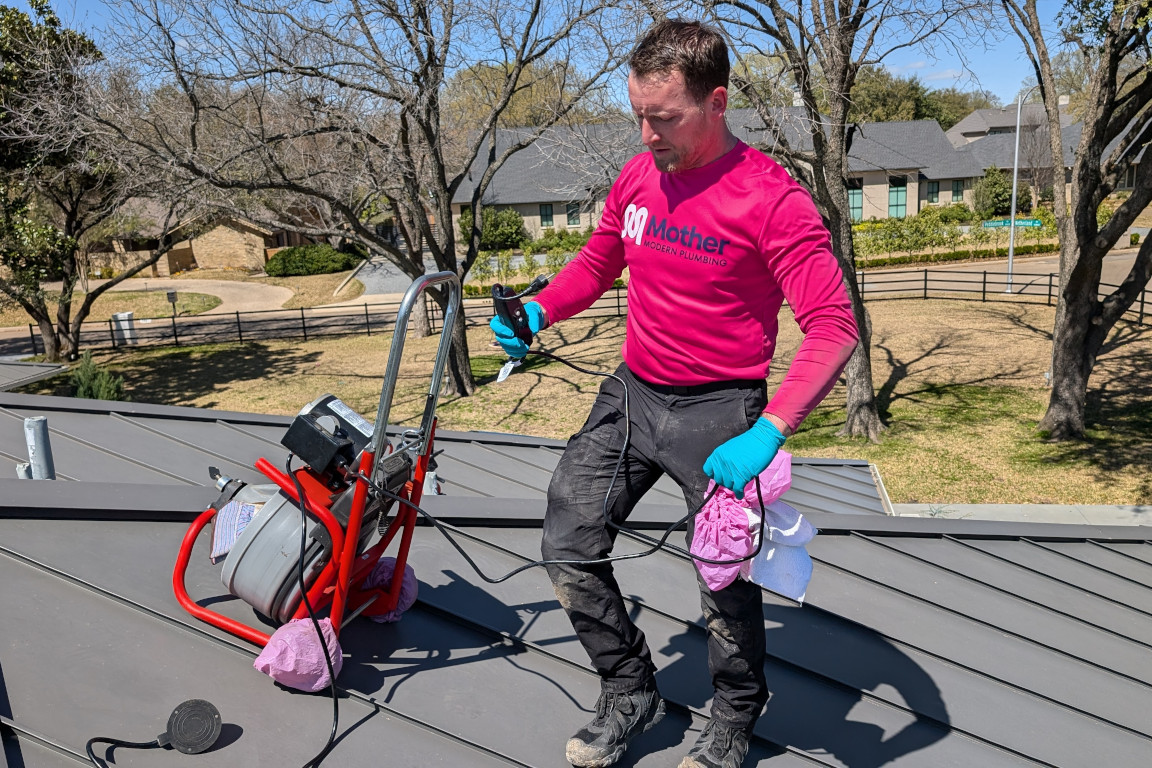
The best way to avoid the stress of an insurance claim is preventative sewer line protection ahead of time. Here's how to “future-proof” yourself from a rejected sewer claim, from both a plumbing and an insurance perspective.
Get Enrolled in a Sewer Line Maintenance Program
Scheduling annual sewer cleaning and maintenance with your plumber increases the odds of a future sewer repair project being covered by your insurance.
For example, members of Mother’s Pipeline get a $300 annual coupon for drain cleaning, plus free freshwater and wastewater leak tests.
Routine sewer maintenance is crucial for aging cast iron and clay tile systems. Chain knocking is a great way to descale cast iron pipes without damaging older, fragile materials.
A history of forward-thinking maintenance makes a future claim difficult to blame on “homeowner negligence”.
Create a Custom Homeowners Insurance Policy With Your Agent
According to Paxten, the crucial factor isn't just the broken pipe itself, but the specifics of your homeowner's insurance policy and how the damage occurred.
“Ask me about [exactly] what you’re purchasing when you’re getting your policy set up.”
5 Key Questions to Ask Your Insurance Agent About Sewer Coverage
When you contact your agent, be sure to ask these 5 important questions:
- What type of homeowner's insurance policy do I have?
- Does my policy cover sudden and accidental damage to underground pipes, specifically sewer lines?
- Are there any specific exclusions related to sewer lines, such as gradual deterioration or root intrusion?
- Would a discussion about this potential issue be recorded as a claim, even if I don't formally file one?
- Do I have any optional coverage for water or sewer line issues, such as water backup or service line protection?
Need Sewer Line Break Documentation? Call Mother
The best odds at a successful sewer line insurance claim involve specific add-ons that cover related events, like service line coverage and water backup coverage. If you don't have those, there are still ways to improve your odds.
The first step to getting your sewer repairs covered by homeowners insurance is proper documentation backed by experts your insurance provider trusts. Hire a Master Plumber with the credibility and experience to deliver a comprehensive inspection, analysis and quote of your plumbing damage.
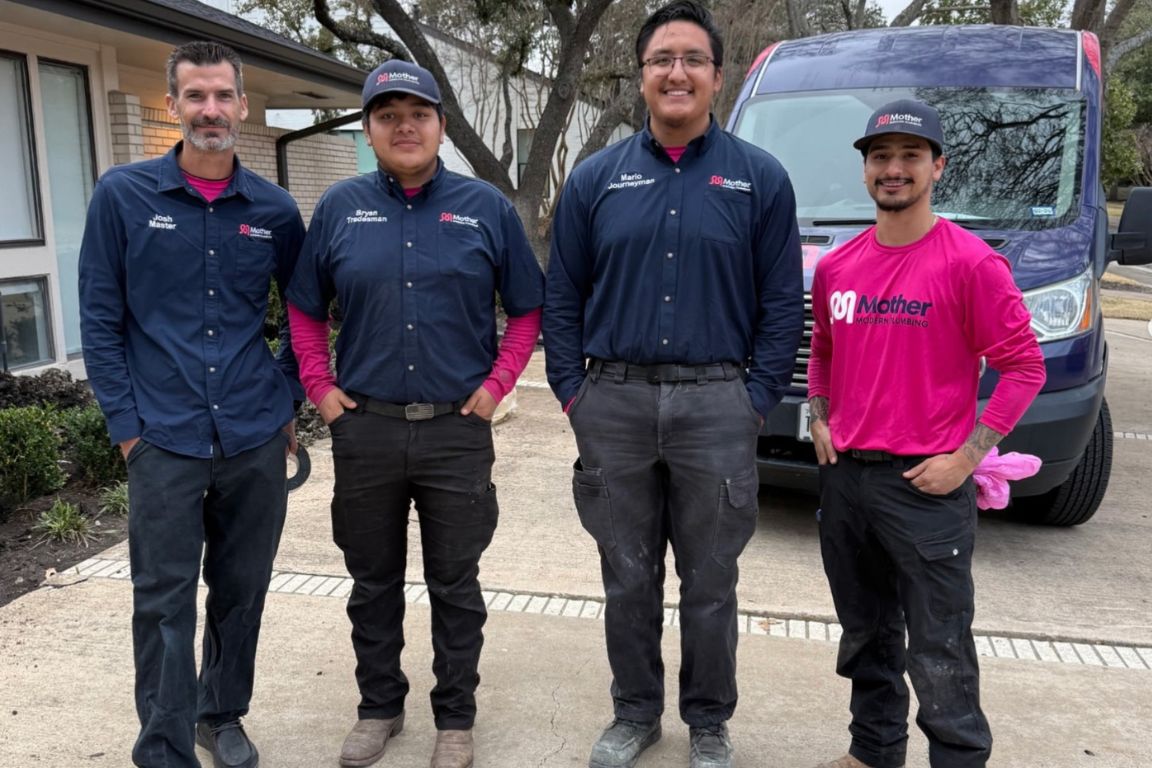
Dallas area homeowners call Mother Modern Plumbing for expert sewer line documentation that insurance providers want. Our Master Plumbers lead a team with a century of local experience with sewer line inspections, repair and replacement.
Need sewer line repair in Dallas? Call Mother 24/7 to assess your sewer line and provide the documentation needed to increase your odds of getting covered.
{{sewer-line-repair-and-replacement="/services/sewer-line-repair-and-replacement"}}